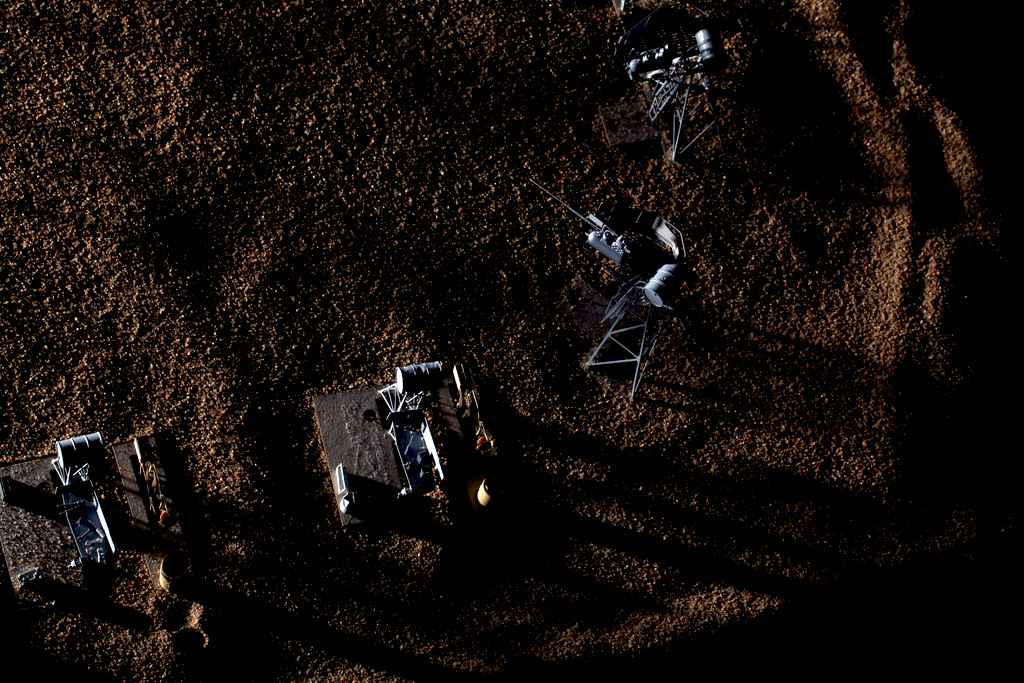
Institute for Paradoxical Shadows detail
An extra detail.
Institute for Paradoxical Shadows detail
An extra detail.

Institute for Paradoxical Shadows
An earlier view of the Institute for Paradoxical Shadows. It is developing the full size implications of instrument Six, shown below.

Instrument Six in real-time floating shadow mode

Instrument Six in research (photographic) mode

Stereoscopic view of floating shadow from Instrument Six
To view the floating shadow make sure the image is small enough to register the shadow in the left image over the one in the right hand image when you go cross-eyed (you will see three images – concentrate on the middle one). Try to relax to get a good three-dimensional view. You will see that the shadow sits a short way off the surface in which you would expect it to land.

Institute for Paradoxical Shadows

Institute for Paradoxical Shadows

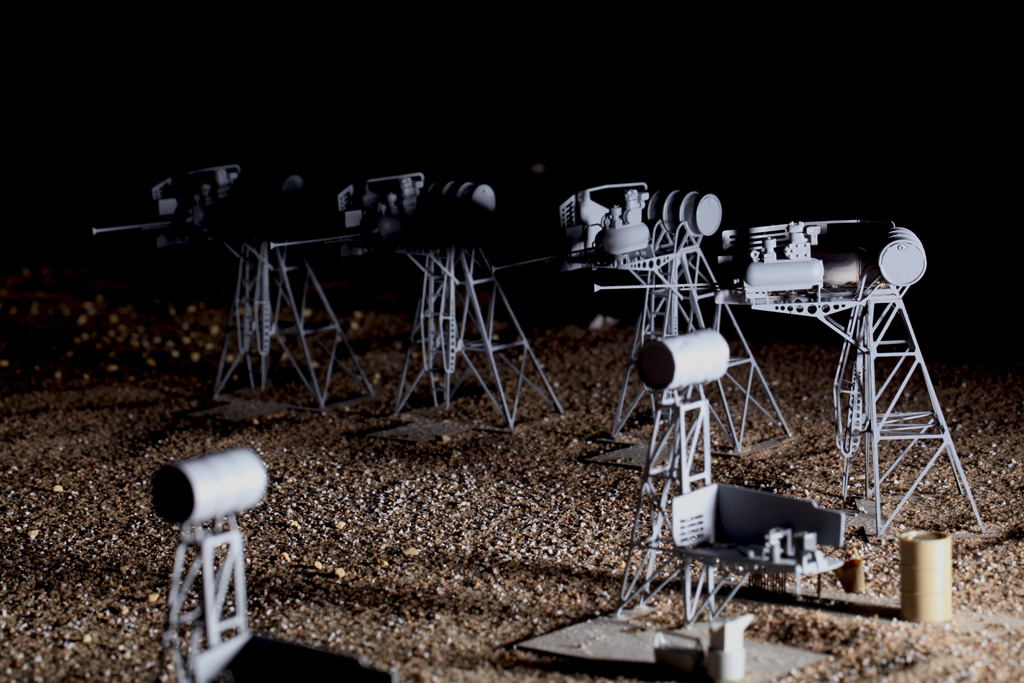
IPS infrastructure

IPS infrastructure
Misting towers and workbenches at the IPS research field.
(see aerial view of the field here)

Instrument Eight under construction
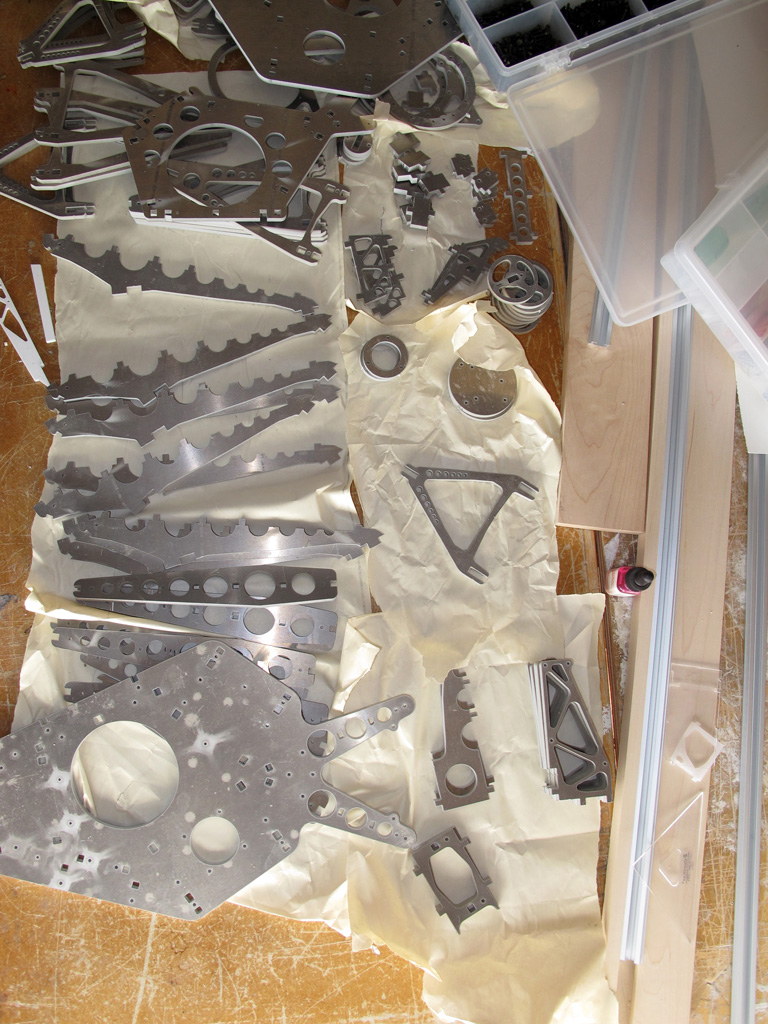
Instrument Eight components
A couple of pictures of components and sub-assemblies for the various versions of Instrument 8.
I managed to get the chassis for the first version together – see:
and am hoping to find time to get the others assembled soon. There is lots yet to resolve on the active parts – I will post some more on that when I get there.
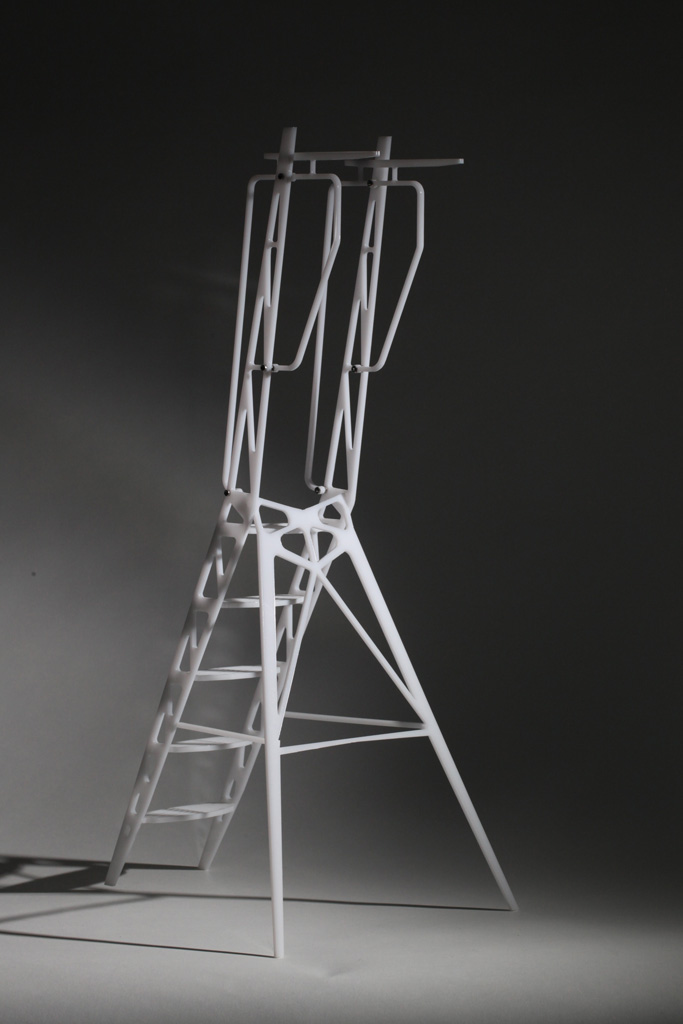
Mk.1 Ladder (Nat Chard)
In an earlier post (https://natchard.com/2011/10/02/peepshow-ladders/) I showed a proposal for some ladders to site a peepshow at a high horizon so that it could incorporate the rest of the items in the room as part of the content of the peepshow. The pictures in that post were of the Mk. 1 ladder, a sketch model. The subsequent two versions developed the ladder design so that it could be cut out of standard sheet sizes economically and have a little more stability and stiffness. Here are the three main versions.
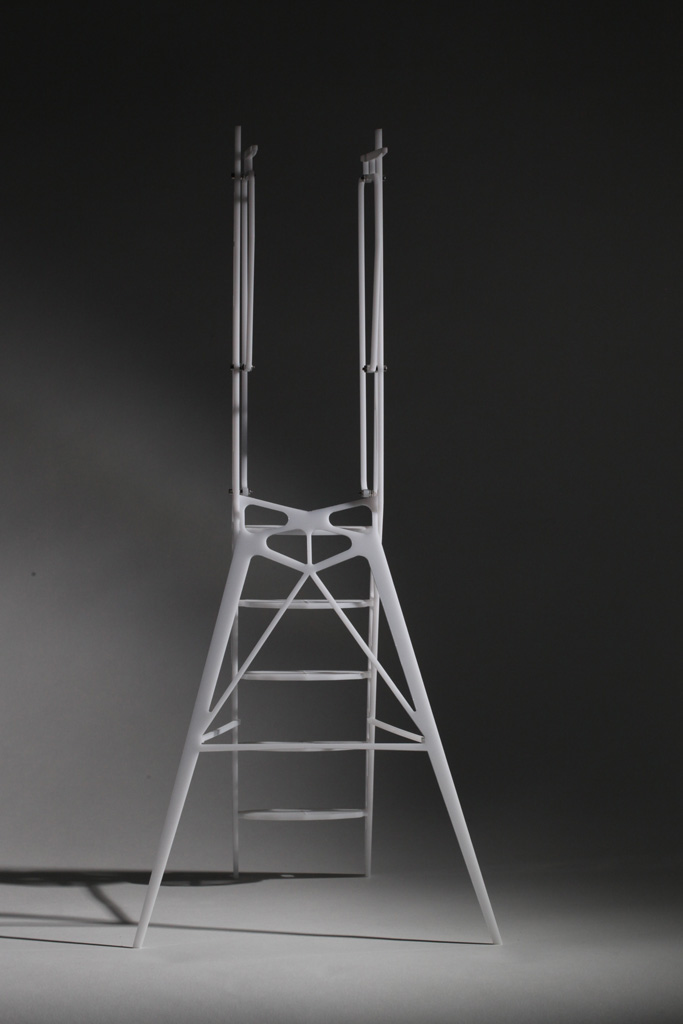
Mk.1 Ladder (Nat Chard)

Mk.1 Ladder (Nat Chard)

Mk.2 Ladder (Nat Chard)

Mk.2 Ladder (Nat Chard)
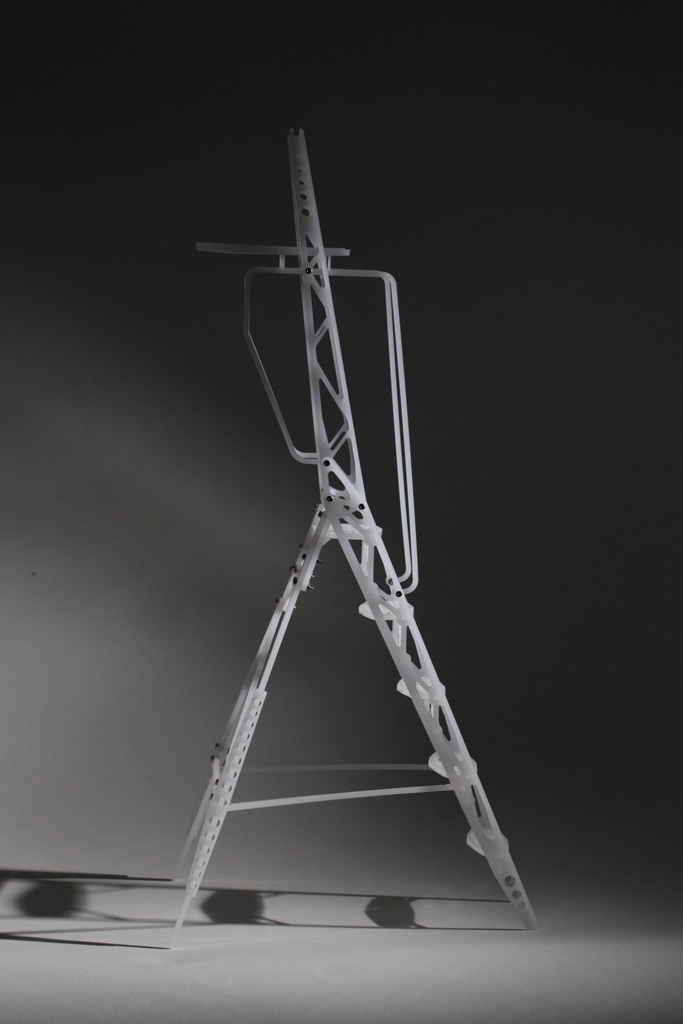
Mk.2 Ladder (Nat Chard)

Mk.3 Ladder (Nat Chard)
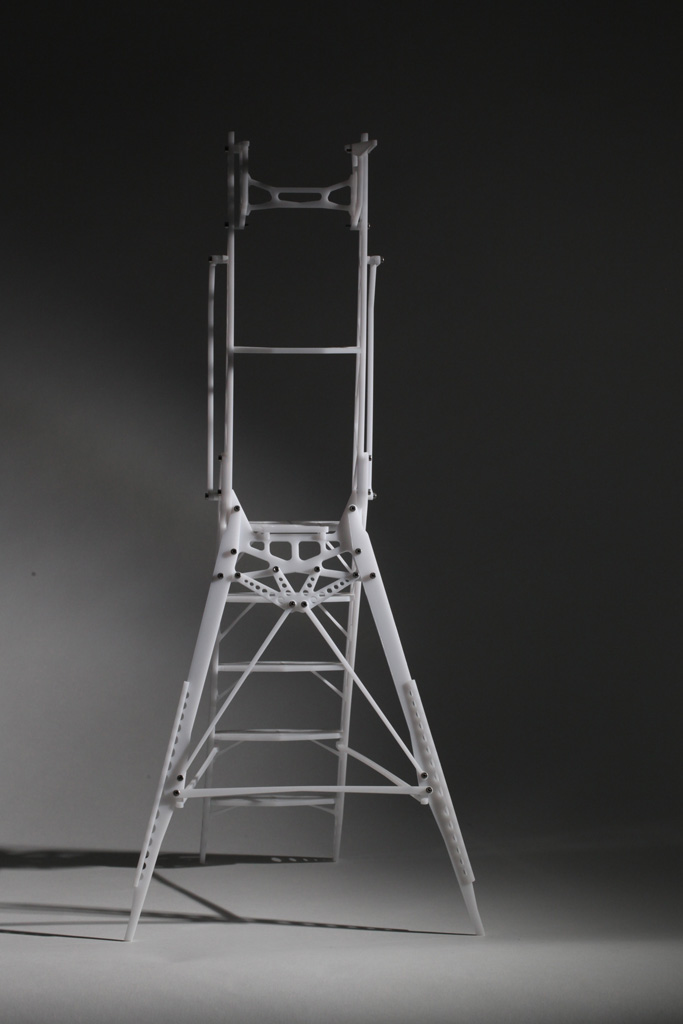
Mk.3 Ladder (Nat Chard)

Mk.3 Ladder (Nat Chard)
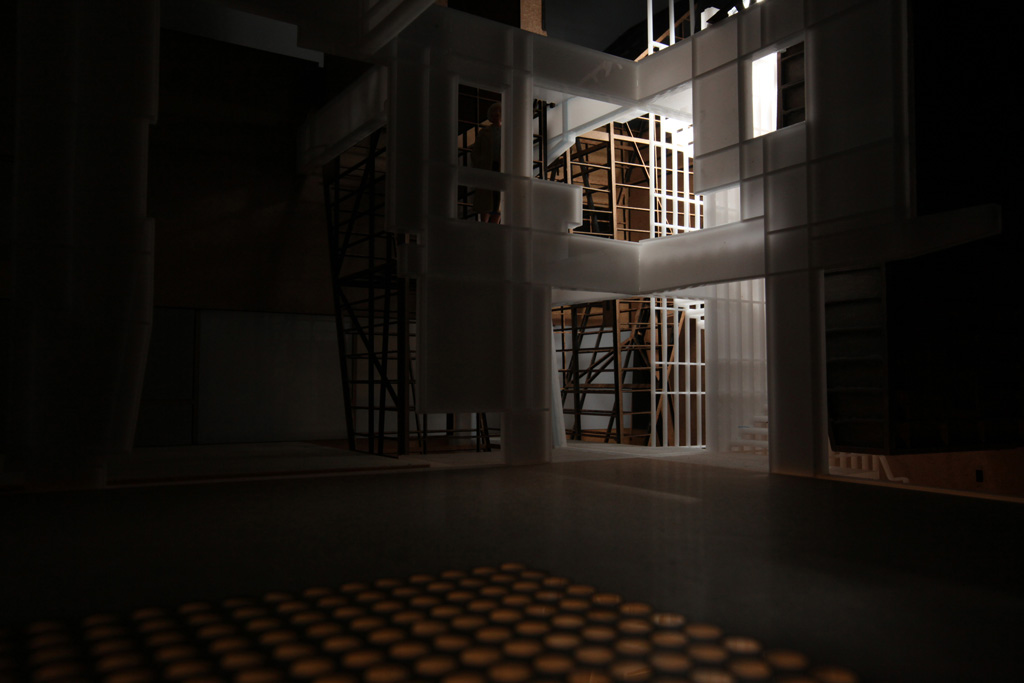
Winnipeg House
Early sketch model for a house in Winnipeg working from Instrument Three. An interior steel frame supports a series of hanging vessels that hold the wet services and one bedroom. There was a particular reason for the sobriety of this model – the next versions warmed up considerably.
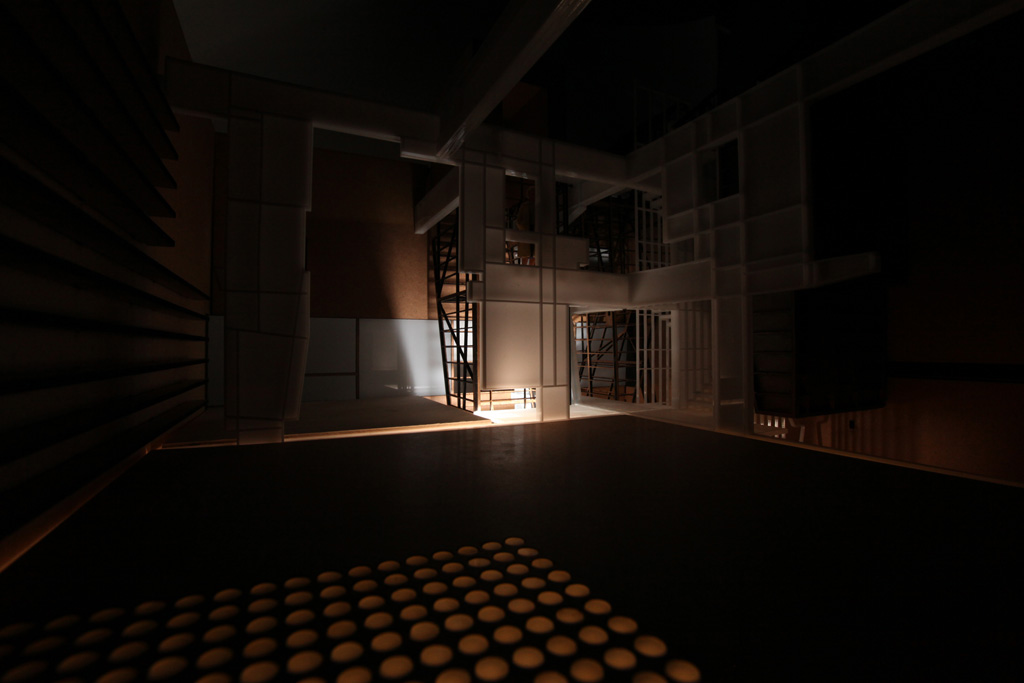
Winnipeg House


Instrument Five Model
The various versions of Instrument Five have models under a glass dome so that the person drawing is reminded of the content being discussed by each instrument. Each model shows part of the content of a later version of the bird automata test track, and the models and figures were designed and built by Samantha (Sam) Lynch and Jason Campbell while I was working on the instruments. The image above (and below in detail) is the workbench / operating table to assemble and maintain the automaton birds. It was made by Sam.
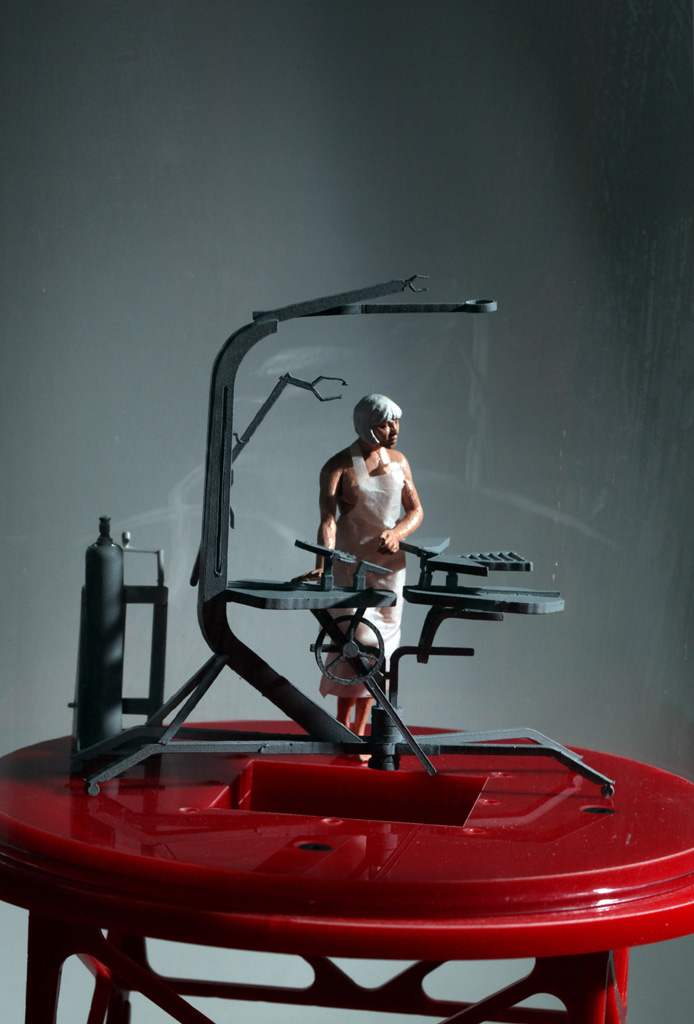
Instrument Five Model
The second model (below) by Jason shows the tracking station where all the bird’s movements during a test flight are recorded.

Instrument Five Model
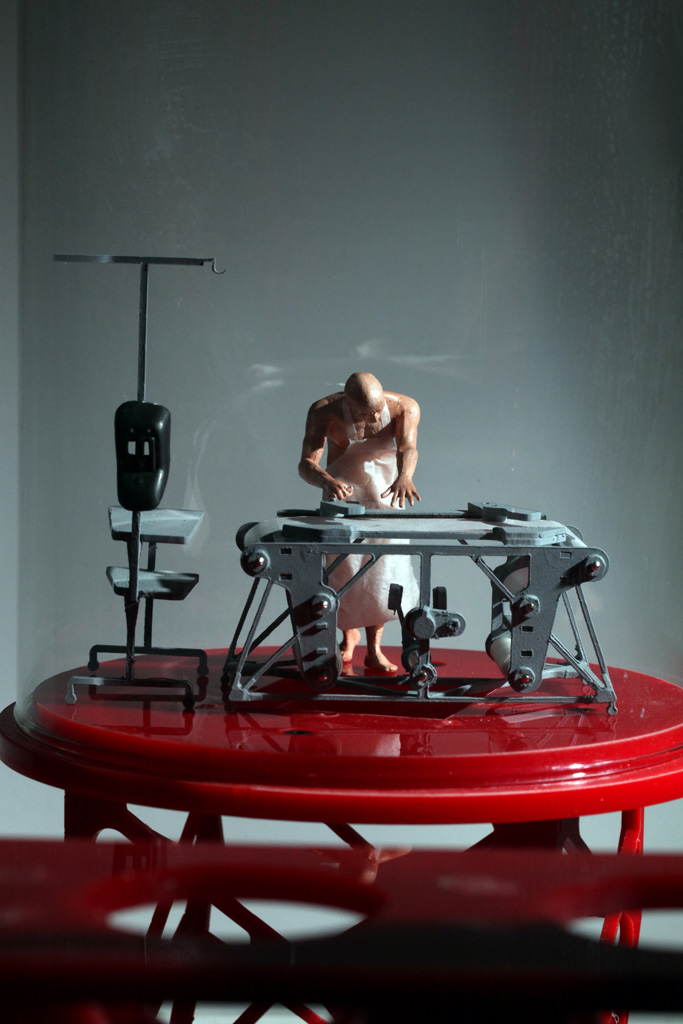
Instrument Five Model
The glass domes protect the models from the flying paint.

Instrument Five Model in position (Nat Chard)
The image above is a reminder of the model location in Instrument Five.
The models are built at 1:24. The figures are made up from a German kit of body parts that allow you to pick and choose from a variety of heads, torsos and limbs. They come naked, which seemed better than the available models with clothes – either military figures or estate agents. They looked a bit strange completely naked so Sam made some work aprons for them. If you think they look a bit pervy, compare them with the suggested assembly on the cover of the kit box.

Natural poses and clothes...

Some of the body parts
Here is one of the plastic mouldings from the female kit.

Instrument Eight, in progress (Nat Chard)
I have started working on a new series of instruments. This is the first chassis of (probably) four instruments, two of which are developments of Instrument Seven and two of which ask for more direct engagement. They incorporate some simple analogue computers to drive architectural models – architectural automata.
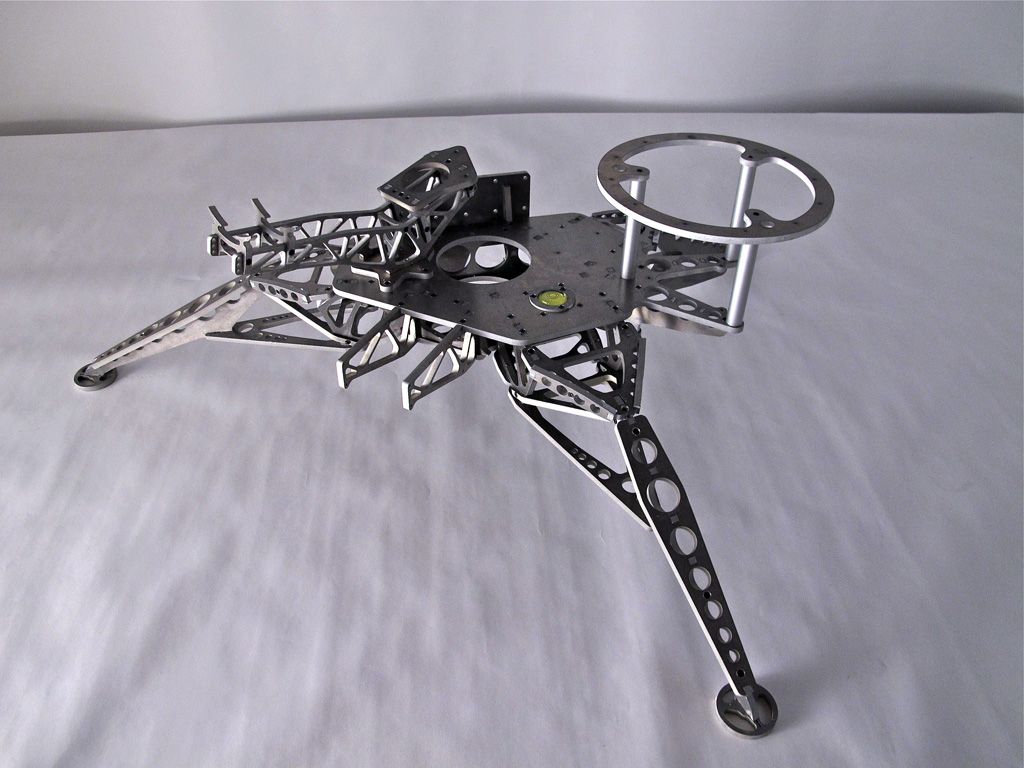
Instrument Eight, in progress (Nat Chard)
They are made from quarter inch (6.5mm) aluminium plate. I had the pieces waterjet cut. All the joints are slotted for structural integrity and are held together by bolts. The cutting is slightly off so all the joints need to be filed to get the pieces to fit – better than too loose I suppose. The chassis is much stronger than the acrylic ones I built for instruments four to seven, to the extent that I can comfortably stand on this one without it complaining. It is also much more resistant to breakage from knocks. I will tell the story as the thing develops. The design of the chassis is a development of that for Instrument Seven. It has a slightly different geometry and there are no interchangeable parts.

Instrument Eight, in progress (Nat Chard)

 Nat Chard