Archive

Tag Archives: nat chard

Drawing Instrument 2 (Nat Chard)

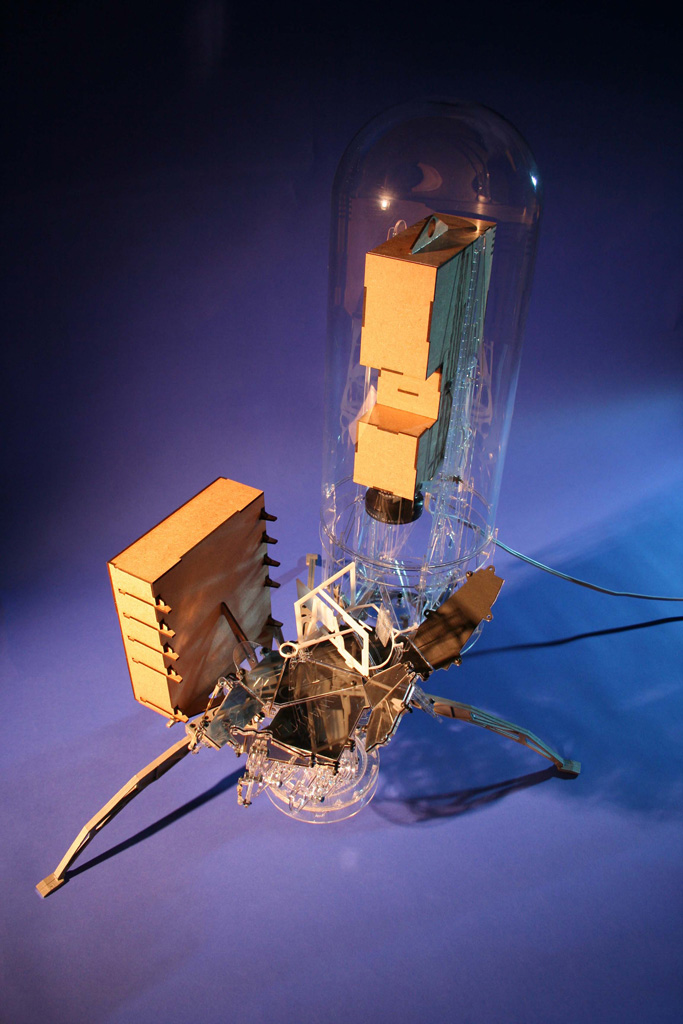
There is another body project to show, as well as some studies, but I will mi things up a bit with the second drawing instrument. It has a much more developed folding picture plane as a critical receiver of projections. Imagine it as the inversion of a camera. The world is in the box and the camera,or drawing surface is outside – so it must be operated in darkness.

Drawing Instrument 2 (Nat Chard) photo Robert Bean

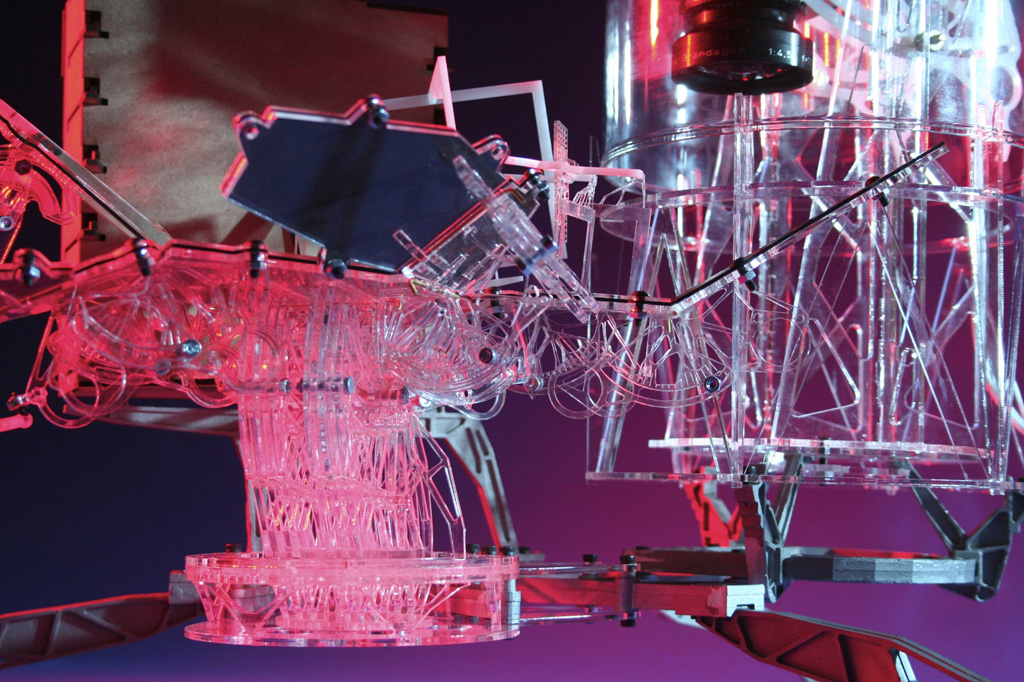
The box is a projector. It contains a model and a light bulb (that illuminates the model). The light from the model is reflected off a mirror and then goes through a lens from a 5″ by 4″ camera to be projected onto the folding picture plane that has photographic paper held under acrylic plates. Sitting on some of these plates is a larger version of the model in the projector. If the projector is trying to persuade something, the picture plane is critical of that opinion and folds to distort and adjust the projection – a critical reception, a bit like the body projects with the city. I will post a sequence of folds and projections to make sense of this another day. Normally the perspectival image tries to pretend that the picture plane does not exist, but the model on this picture plane casts a paradoxical shadow – it lands on the picture plane rather than on what is pictured. At the same time it resonates with the projected model, so it seems to make some sort of sense. But it cannot make that sense and a perspectival sense at the same time (or it does not have a complete sense, other than as the consequence of this instrument), so it is up to the observer (of the drawing/photograph) to construct their own sense of it.
Drawing Instrument 2 (Nat Chard)

The instrument also has a chest of drawers that hold tools for the instrument, spare parts, and spare parts for you (a pair of Victorian glass eyes). The frame is cast Aluminium, working from the same patterns and moulds as drawing instrument One (which was cast in plastic). The patterns were machined on my little CNC machine – I will post pictures of them on a later post. The dome over the projector is an 18th c French glass dome, one of three that size found in Copenhagen. The other two are  being incorporated in instruments I am working on now.

Drawing Instrument 2 (Nat Chard)

Drawing Instrument 2 (Nat Chard)

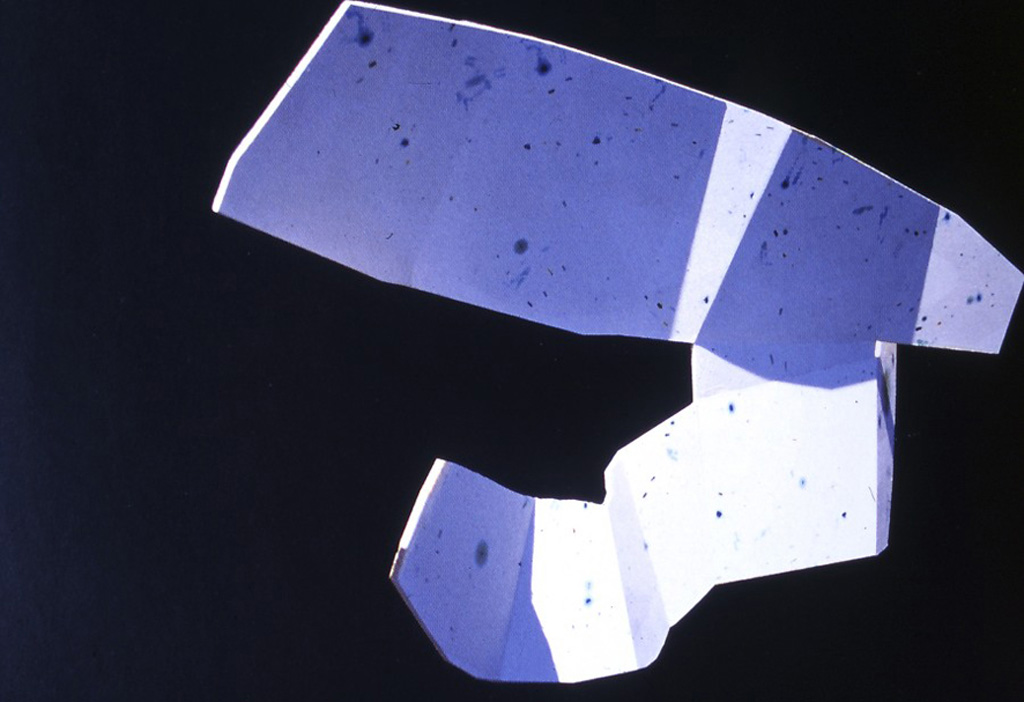
Above: Instrument Two plays with a folded map of Winnipeg.
Drawing Instrument 2 (Nat Chard)

I will also show some of the drawings from the instrument in a subsequent post.
X-Ray 1A (Nat Chard)

X-Ray 1B (Nat Chard)

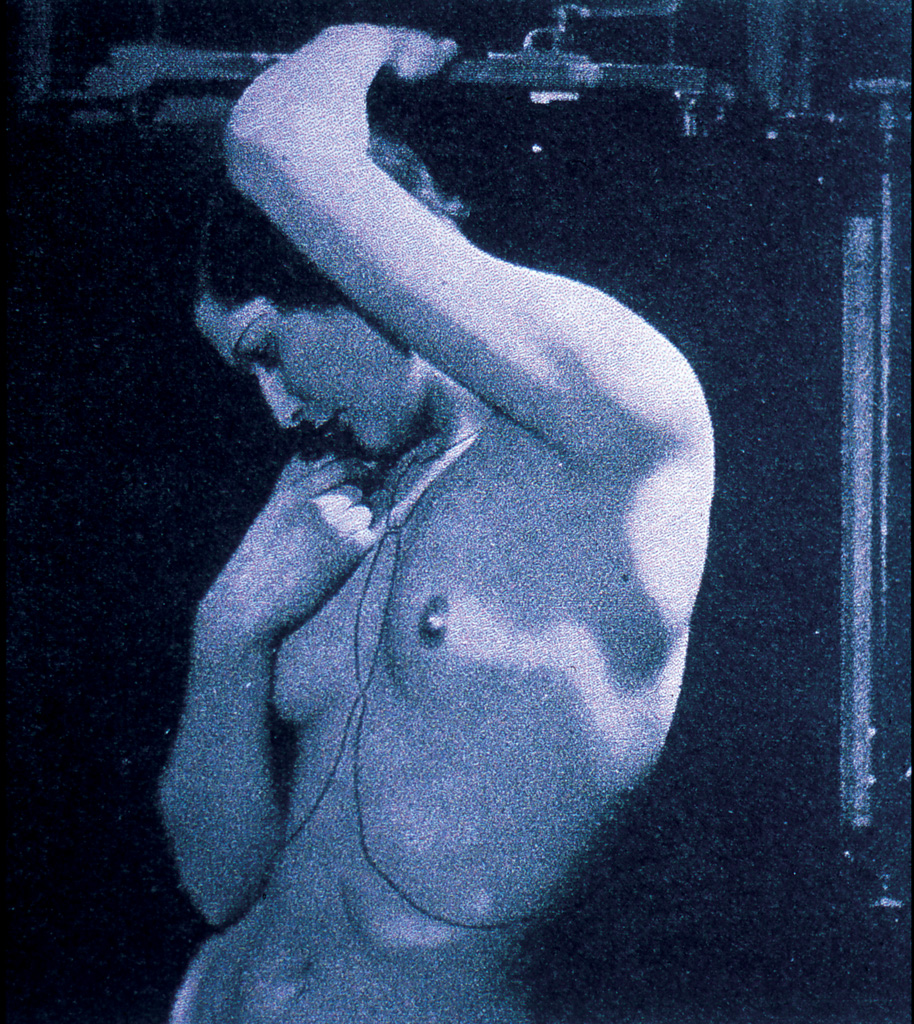
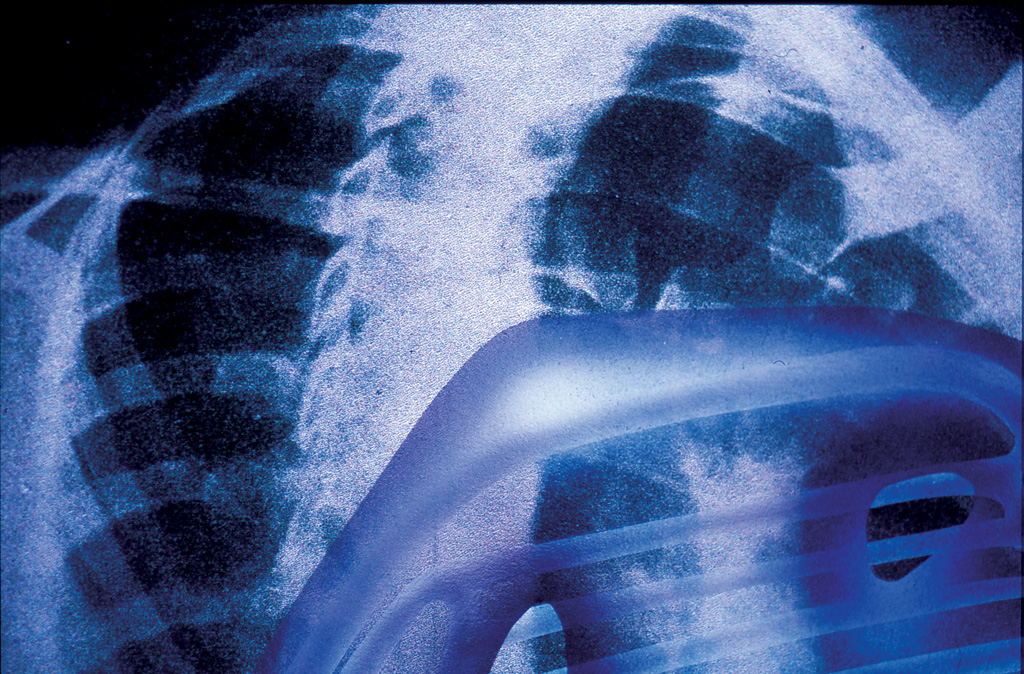
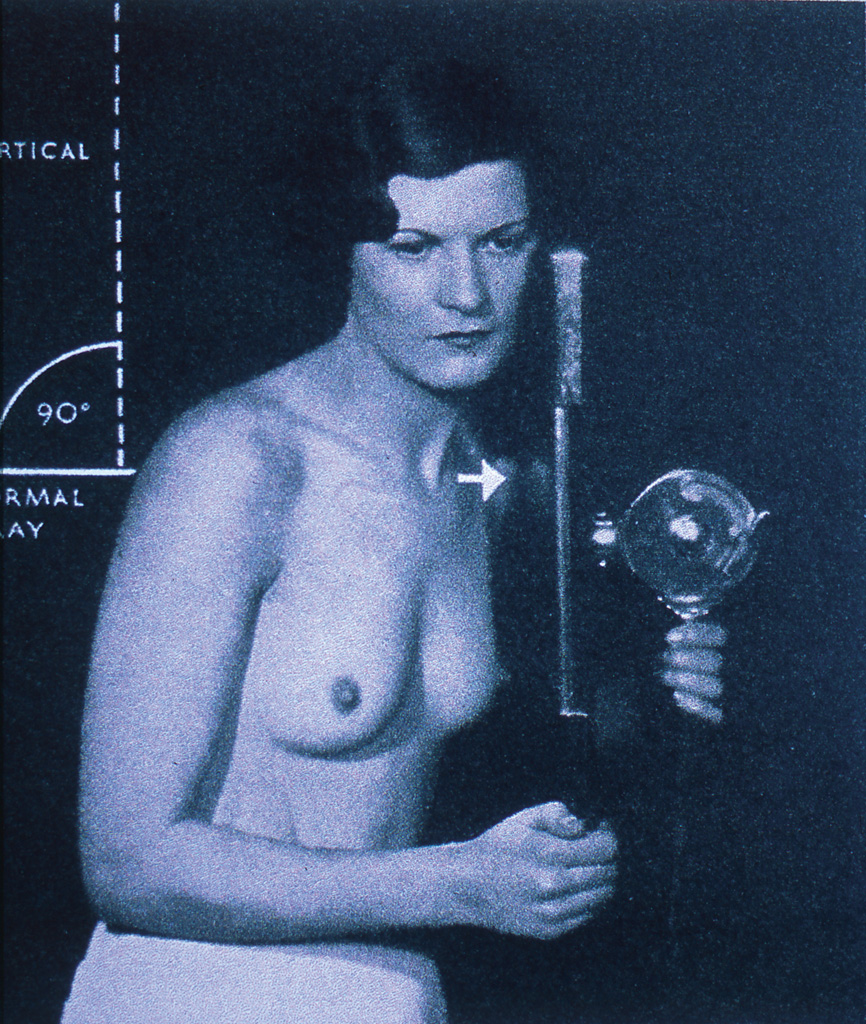
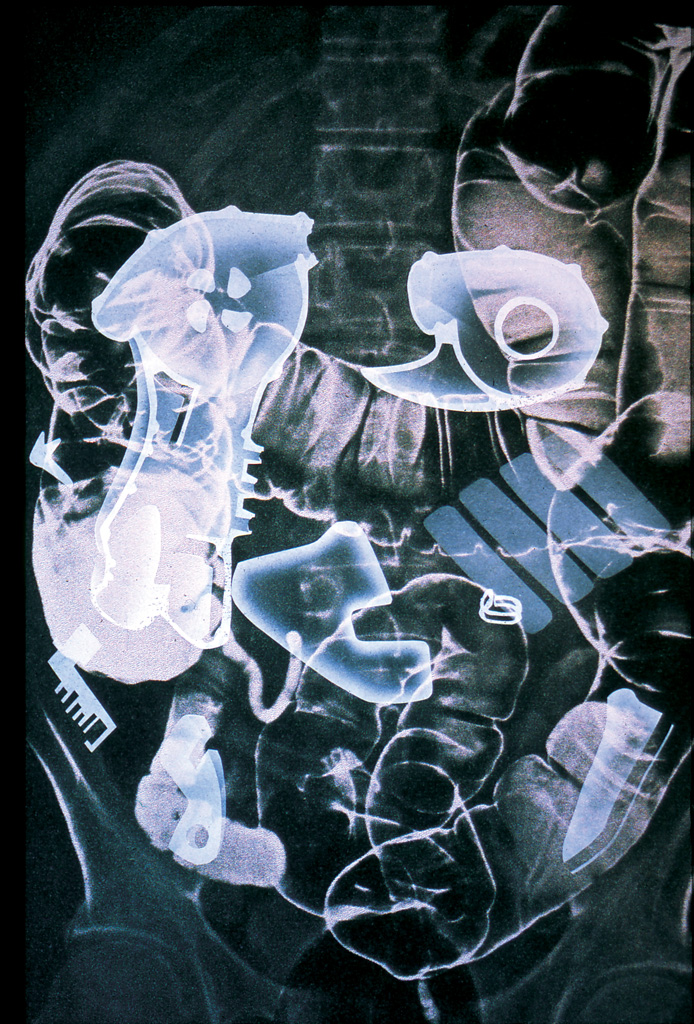
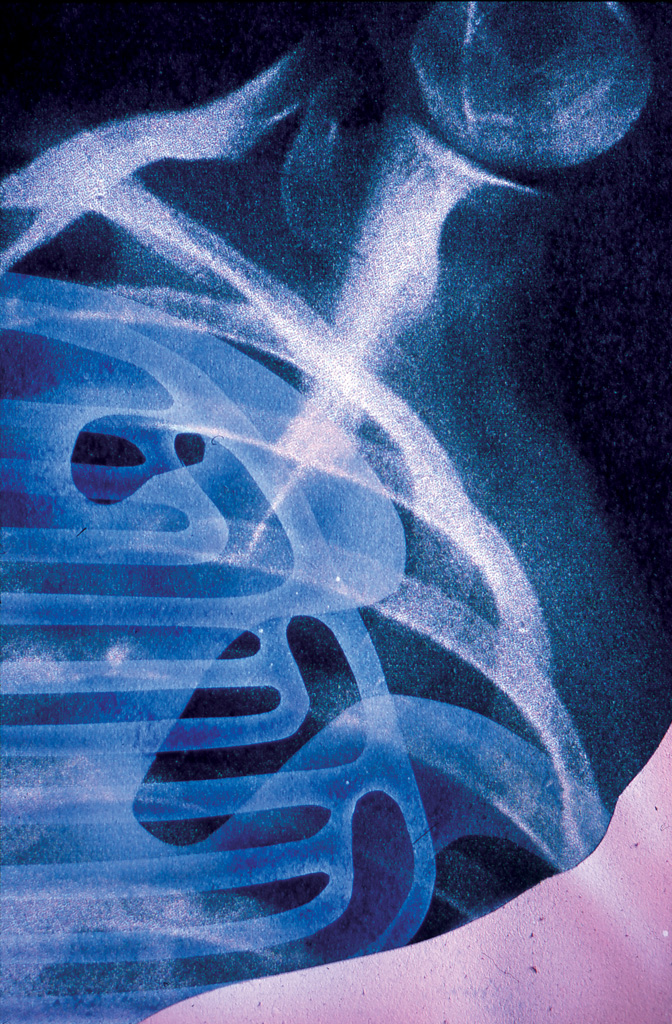
The stereoscopic anatomical drawings describe the apparatus to make an internal architecture. THis sequence of paired drawings discusses the revelation of the architecture in both a practical way but also by implication a sense of the larger spatial consequence of the project. Each pair of drawings has an X-ray and a photographic illustration of the position the body has to hold to take that X-ray. The base images (except for the final X-ray) are taken from Positioning in Radiography by K.C. Clark (1949 edition). Francis Bacon worked from images in the 1939 edition of the same book.

Each X-Ray shows parts of the new body apparatus but they are available to this sort of inspection selectively, so not everything is visible. The positioning photographs display a formal transparency of the apparatus, again selectively as only those parts that press against the skin are visible.

When walking in the city (with clothes, mainly for modesty and or vanity, for the apparatus copes with all but the chilliest or steamiest climes) the person hosting the architecture is formally indistinguishable form anyone else except through their behaviour – perhaps being alive and engaged in the world and maybe through the ability to wear out of season clothes – the apparatus coping with the temperature difference.

X-Ray 2A (Nat Chard)

X-Ray 2B (Nat Chard)

In the positioning picture (2B) you can see a filter under her skin just above her forearm and the top of the breathing/cooling components just below her collar bone, the piece that is visible in the X-ray.

I found the radiography manual in a second hand bookshop just outside Manchester for three pounds when I was visiting friends. It had been a student f the year prize for a radiographer and includes things like X-rays of unborn babies (very beautiful but where one might wonder about the effects of the X-ray on the baby) and one of a man who has swallowed his false teeth.

X-Ray 3A (Nat Chard)X-Ray 3B (Nat Chard)

X-Ray 3B (Nat Chard)

X-Ray 3A is not from Positioning in Radiography, but 3B is, the positioning to take the image in 3A. The X-Ray shows the selective revelation of the intestines through the agency of a barium meal – tissue that would otherwise be transparent to X-Ray shows up due to the meal. The image is unlikely, as the synthetic organs of the new apparatus should divert toxins through the synthetic system (and therefore reveal them more fully) so we have to assume that the apparatus has been turned off to check the natural organs. In the positioning photograph you can again see discrete bumps around her waist and abdomen where the apparatus pushes into the skin.

Abdomen (Nat Chard)

The body project drawings are made on Polaroid transfers using type 59 film, taken with a 5″ by 4″ view camera. The Cambo camera I use has just enough movement side to side to take a left and right eye shot without moving the tripod or camera’s monorail (when photographing the anatomical torso at the distances used in these shots). If you look at the first body projects in the second post there is no compensation for the position of the figure in the frame, while in the subsequent projects I used the horizontal shift in the film plane to locate both images in the same area of the frame. Despite this, the imprecise nature of making the transfers makes it hard to register the two images centrally on the stretched watercolour paper (I was using a heavy grade of Fabriano Five). When you see the frames lined up the pairs of images are noticeably irregular.

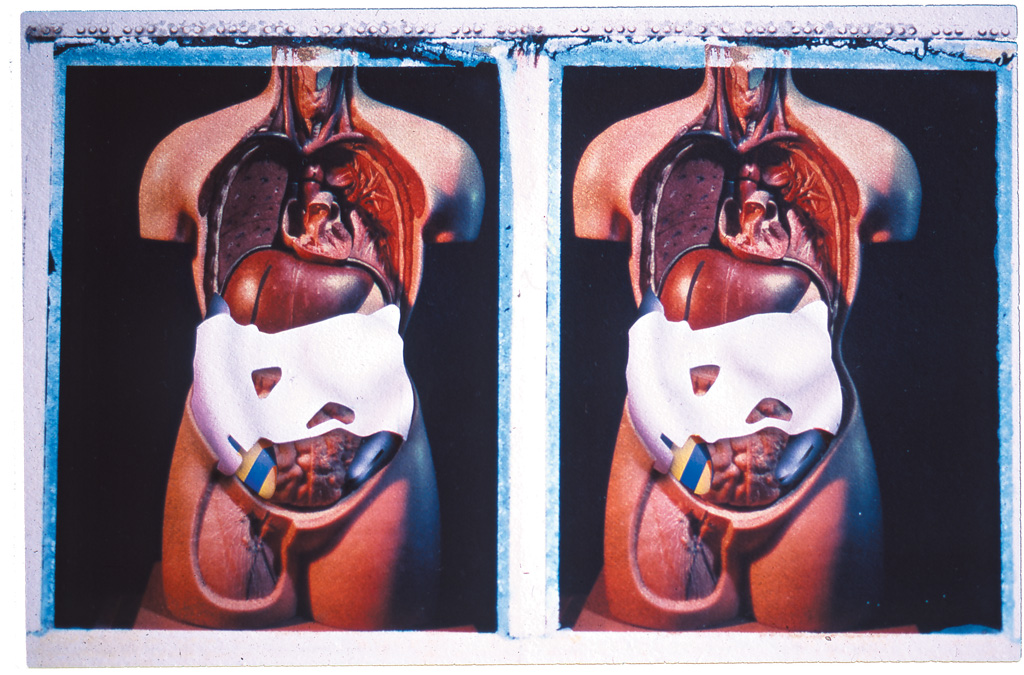
One day while I was working on the second body project (previous post) I was drawing on a pair of images in the morning. So as to protect the rest of the image I placed a paper mask (see the image above) that exposed only the area I was working on. I placed masking film over that area and cut out my masks for airbrushing with a Swann Moron scalpel. That afternoon I had an appointment at the hospital to examine a mole on my abdomen that was growing at a worrying rate. On seeing my mole, the doctors decided to remove it. As I sat there they gave me a local anaesthetic and then placed a paper mask around the area, mostly I believe for my modesty. Then they cut into my abdomen with exactly the same sort of scalpel I had been working with that morning. As they cut around the mole into the fatty layer under the skin to make sure they had captured everything. I was looking through a paper mask to the inside of my body just in the same way I had looked at a similar area of the body in the drawings.

Body project two, layer one (Nat Chard)

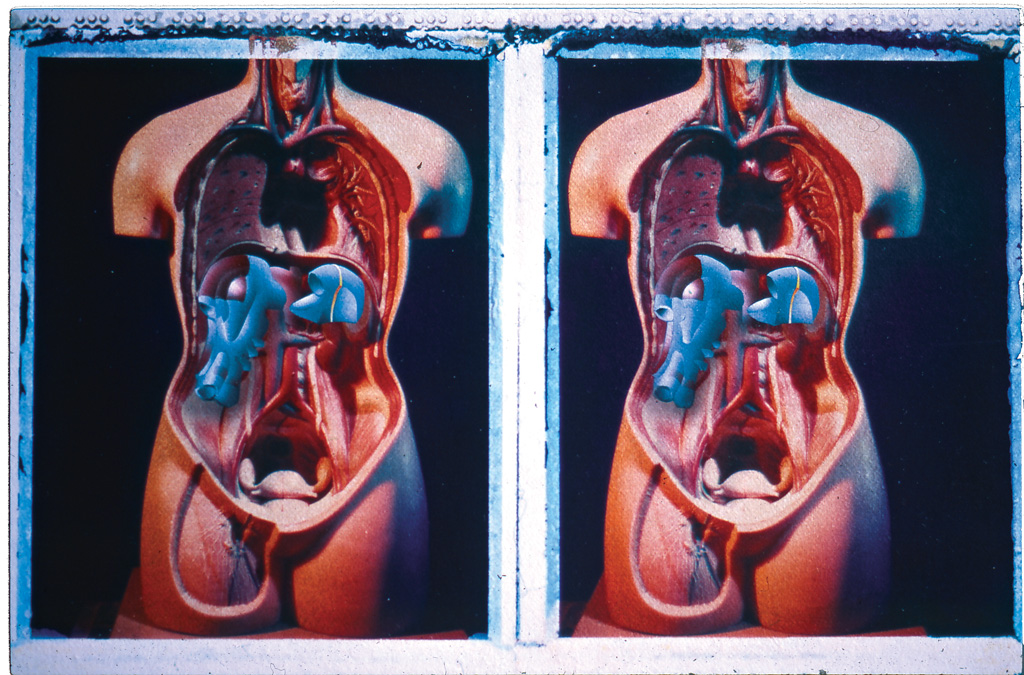
To dig out greater nourishment from the project I went through the performance and plumbing of the main body organs that were appropriate for the projects and set out a parallel synthetic system with feedback loops to the natural versions. All the flow rates and pressures for fluids, solids and air were calculated to work in sympathy with their natural counterparts. A sequence of drawings works from the deepest levels to the surface. THe first layer has the main mechanical pumps for air and blood.

The premise of the project remains similar to that outlined in the previous post.

Body project two, layer two (Nat Chard)

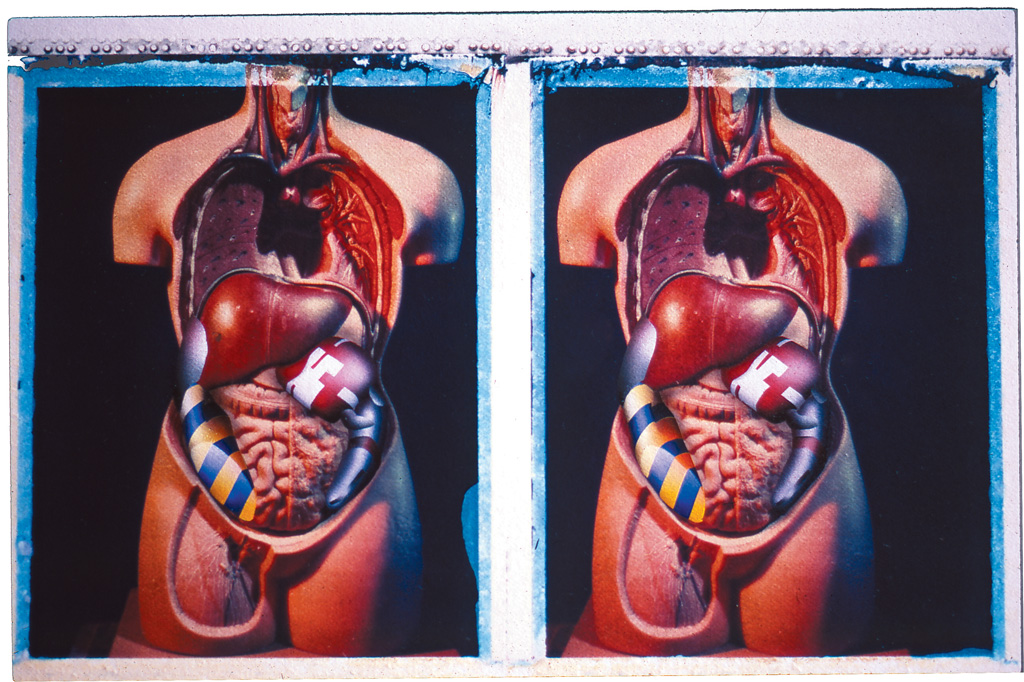
The second level shows the abdominal filters, some of the pieces most likely to protrude as bumps under the skin.

Body project two, layer three (Nat Chard)

The red and white element shown in layer three is the digestive element that converts carbs into electricity to run the synthetic organs. It is the least plausible of the synthetic organs. Most of the others have some basis in medical reality and after this project was made some of them were overtaken by medical technology – but more of that when we get to the third body project.

Body project two, layer four (Nat Chard)

Layer four has additional pieces inserted between the new and existing organs to help slippage when the body twists and turns.

Body project two, layer five (Nat Chard)

Layer five shows a heat shield. As with the previous body project, all the drawings are stereoscopic and made over polaroid transfers. The polaroid photographs were made from an anatomical torso borrowed from UCH in London.

Body project two, layer six (Nat Chard)

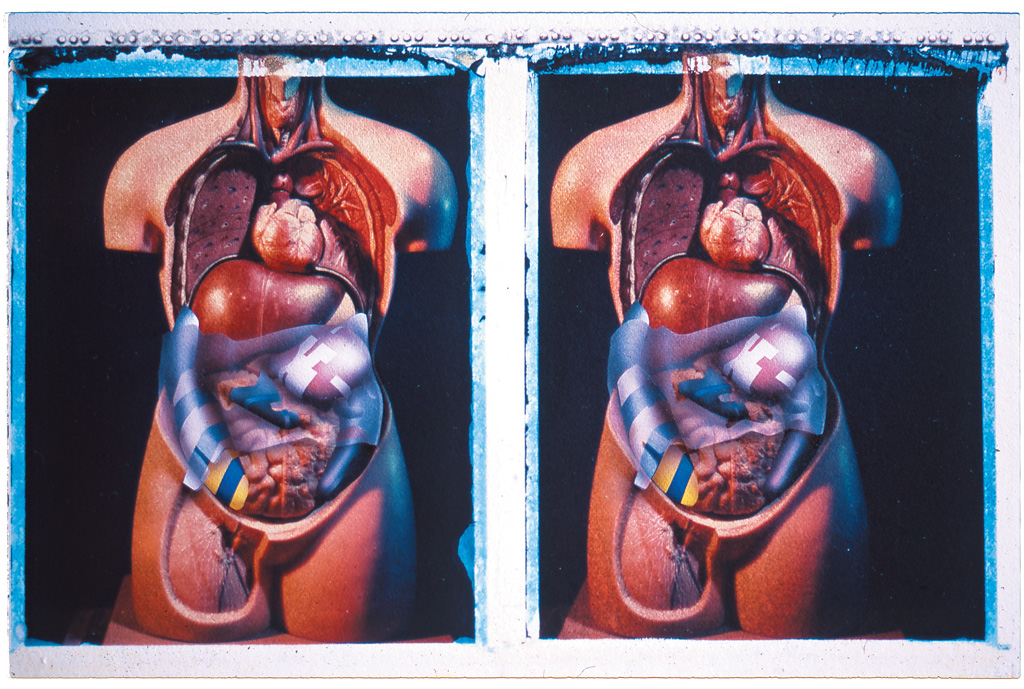
The heat shield is drawn as a transparent layer in the remaining drawings. Here in layer six the sensitive control unit sits outside the heat shield.

Body project two, layer seven (Nat Chard)

Layer seven shows the heat exchanger that works with the air handling vessels (see next layer)

Body project two, layer eight (Nat Chard)

The top layer includes the air handling vessel that works as a constant volume inverse of the natural lungs, and breathes through one of the abdominal filters. The drawings are airbrushed over the already unreliable polaroid transfers. Several of the layers are transparent so cannot be painted over if the work goes wrong. Working without an undo button can help one commit to something…

Body Project One (Nat Chard)

One of the central questions in most of my architectural projects is how to nurture an indeterminate condition. In the body projects (also mentioned in post 2) the question is inverted – how is it possible to take possession of the city as it is given?  How can we take the city with all its prescriptions and certainties and open it up as a fresh and available territory? As touched on in the previous post, there are a number of sites where architecture and the city make great claims about their precise relationship with the body. By adjusting the organs in the body that touch those programmatic sites, if architecture and the city’s claims were true, you would therefore be able to adjust the city. By adjusting the performance of the new synthetic body parts in one way, you could change the city in one way while I could change it differently. This offers questions about the collective consciousness of the city that will be touched on in a later post.

I will explain the workings of the body architecture further when talking about the second body project. At the stage of these preliminary studies I imagined that they would be made possible by the range of bio and nano technologies emerging at the time. As these provided no practical resistance, almost anything was possible and as a consequence the poetic possibilities felt limited. The subsequent projects were much more practical.

Study for Body Project One (Nat Chard)

The drawings are stereoscopic (the first image in the post has a stereoscopic pair to the left showing the new organs opened up and then in normal position in a single image to the right). They are made by taking Polaroid photographs (Type 59 film) and peeling the film apart ten seconds after pulling it through the rollers. The negative is then rolled on a pre prepared piece of paper with a sort rubber roller. All the marks and distortions around the image come from the negative and its chemicals. The process is unreliable, providing a level of thrill when working with it. Unfortunately the film stock is no longer available. When the images are dry they are drawn over, each side adjusted relative to the other for parallax to provide a three dimensional view. If you have the image quite small on the screen and go cross eyed, you should be able to resolve a stereoscopic image (or you can use stereo lorgnettes).

The figure to make these drawings was cast in a mould for an écorchémodel that i adapted with an abdominal and chest void and added organs from a plastic model. For the next generation body project I borrowed an anatomical torso from University College Hospital (I was teaching at the Bartlett, UCL, at the time) and for for the third project I bought my own anatomical torso. When I took this headless, legless, armless body through Stanstead Airport the human torso appeared on the X-ray screen at large luggage security but the guard did not flinch, presumably looking for certain colours rather than the figure.

Body Project One -detail (Nat Chard)

This image is the stereoscopic pair of drawings from the picture at the top of this post.

When viewing the stereoscopic drawings, go cross-eyed so that the most distinct features sit over each other (for instance the head in these drawings). Try to hold it and relax as much as possible, and the two images will resolve into one, appearing as a strange construction between two and three dimensions.

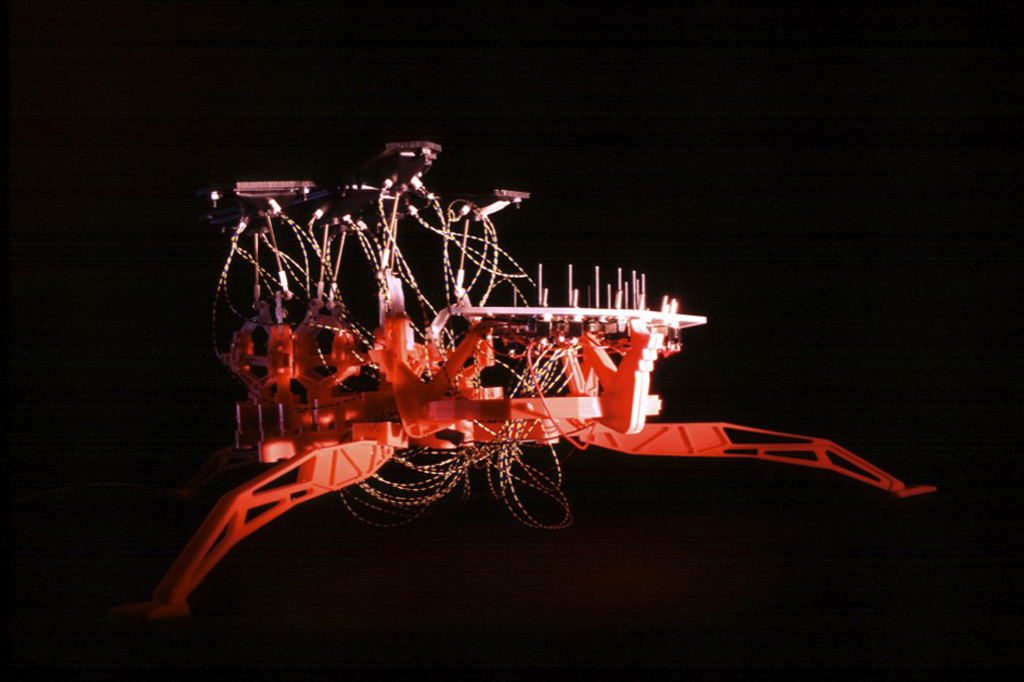
Drawing Instrument One (Nat Chard)

The first drawing instrument was made to test some speculations on the potential of a folding picture plane as a critical agent in making drawings. Since Leonardo artists have manipulated the picture plane to make images appear to be more true, so it seemed a good place to start when thinking about how to bring an image into question.

This instrument discusses how another project (see later – body projects one two and three) might adapt our perception and consciousness of the city. The body projects make adaptations to those organs in our bodies that are connected to the programmatic sites in architecture (and the city) that claim to have the tightest relationship with our bodies – such as heating and cooling, hygiene, digestion and disposal, air handling and so on.

The maps below (of Copenhagen) are folded. When viewed from certain positions the foreshortening caused by the viewpoint and occlusions established by the folds can assemble previously remote figures (the grey blobs or rectangular figures in this case) into a coherent whole, as if re-assembling the city.

Normal view

Foreshortened view

In the drawing instrument the map is replaced by a folding surface with a fixed figure of slots that are backlit with coloured lights, setting out more of the character of the city rather than its geometric figures.

Drawing Instrument One (Nat Chard)

Drawing instrument One (Nat Chard)

The drawings are made by taking a series of photographs of the folding surface that make the most of the folds to discuss a certain occupation of the city by someone who has the body project architecture inside them. One of the drawings is below – it has a folded drawing plane to allow the observer to take possession of the content in the same way.

Instrument One drawing (Nat Chard)

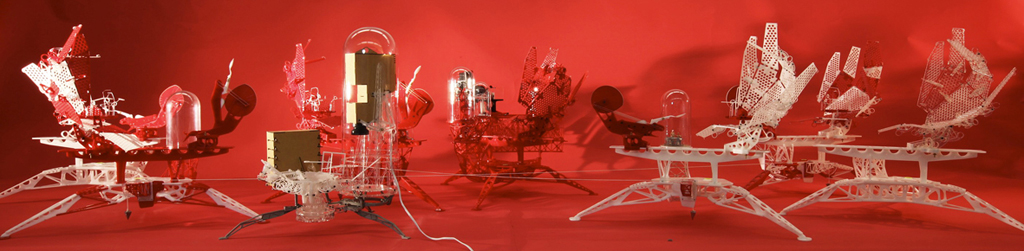
Drawing Instruments (Nat Chard)

Welcome to my blog. I have been nourished by a number of blogs, and thought I should make a contribution. Also, when people ask where to find my work, it is dispersed in a diverse range of publications, so this in an opportunity to find it all in one location. More selfishly, it provides the possibility of a wider conversation with others on the margins of architecture despite my living in a remote and disconnected place.

I will start off by posting my own work, a mixture of things in progress and back catalogue, as well as things I come across. At some stage I will post work by friends and colleagues whose work I admire. I will try to post two or three times a week, so please drop by every now and then.