
IPS Misting Towers

IPS Misting Towers

IPS MIsting Tower
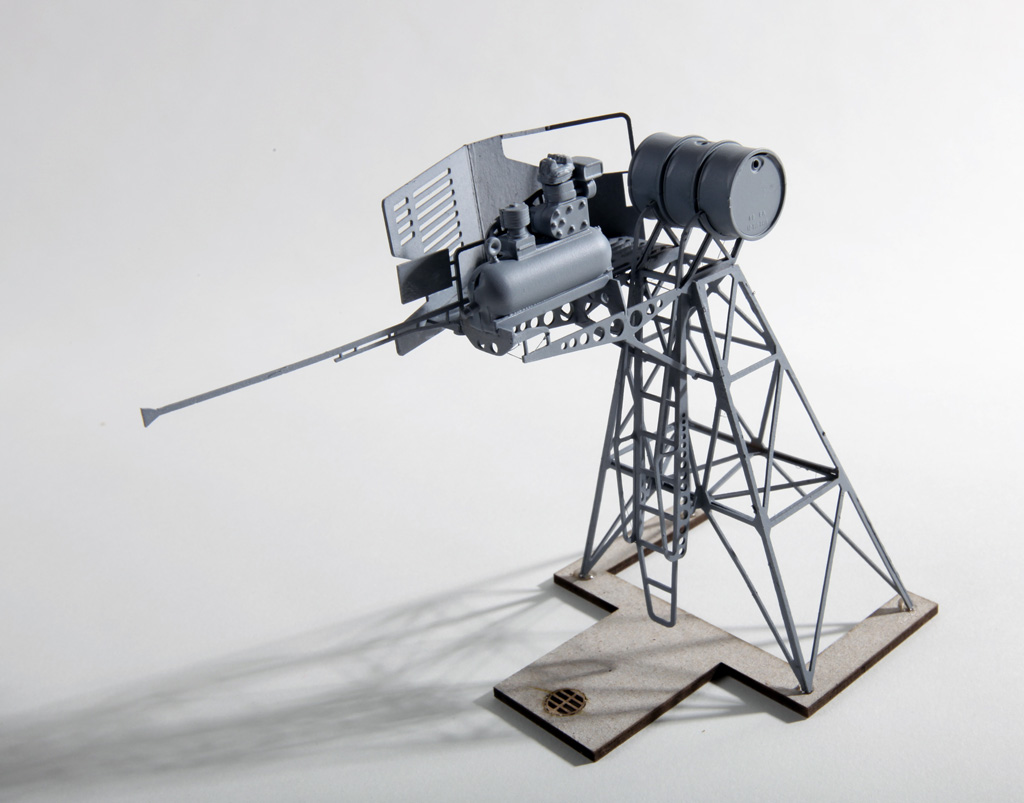
IPS Misting Towers

IPS Misting Towers

IPS Misting Towers

IPS Misting Towers
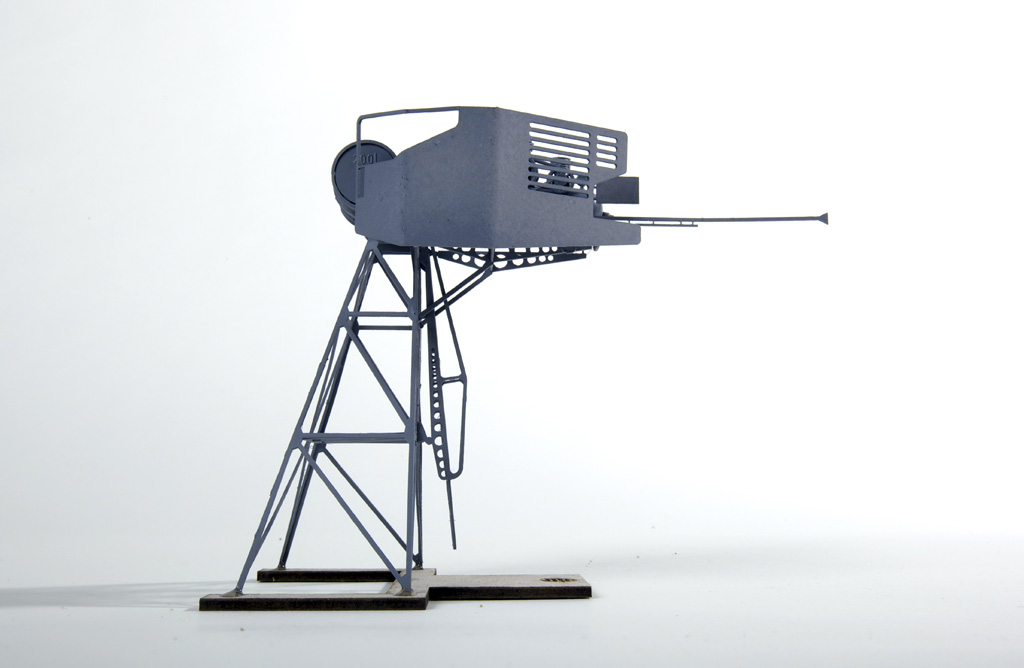
IPS Misting Towers
Misting towers for the Institute for Paradoxical Shadows
IPS Misting Towers
IPS Misting Towers
IPS MIsting Tower
IPS Misting Towers
IPS Misting Towers
IPS Misting Towers
IPS Misting Towers
IPS Misting Towers
Misting towers for the Institute for Paradoxical Shadows

Institute for Paradoxical Shadows

Institute for Paradoxical Shadows

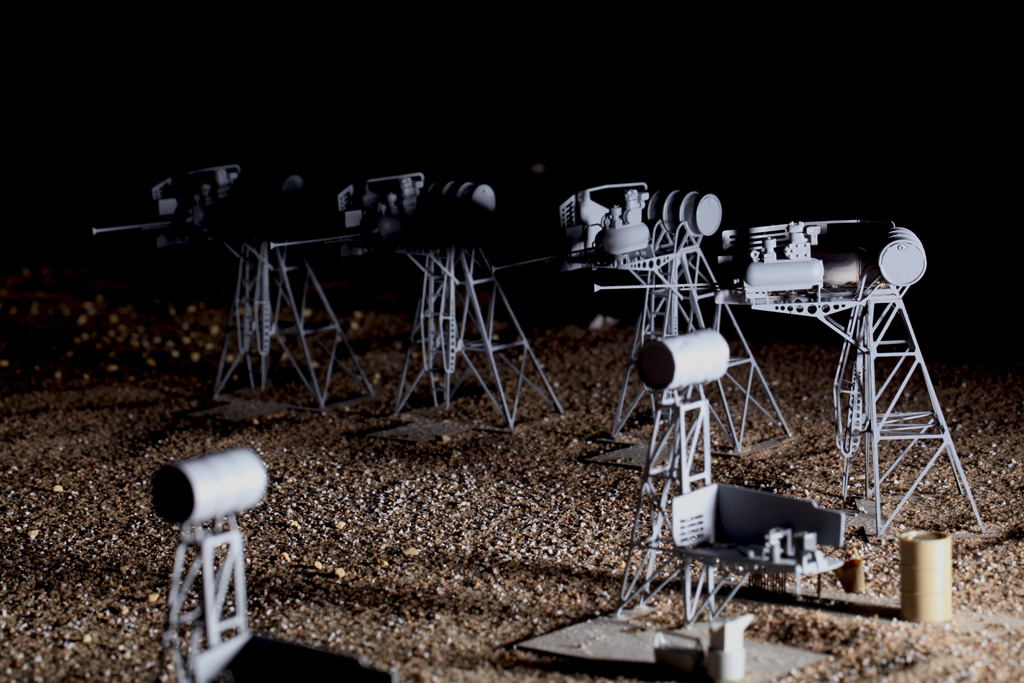
IPS infrastructure

IPS infrastructure
Misting towers and workbenches at the IPS research field.
(see aerial view of the field here)

Instrument Eight under construction
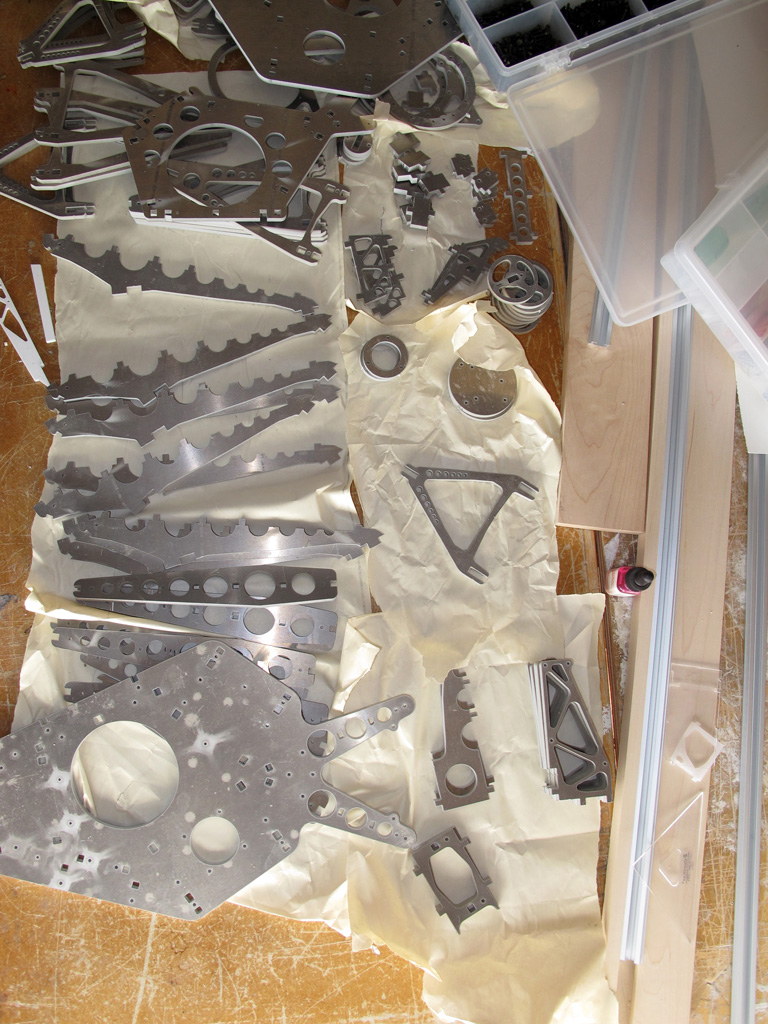
Instrument Eight components
A couple of pictures of components and sub-assemblies for the various versions of Instrument 8.
I managed to get the chassis for the first version together – see:
and am hoping to find time to get the others assembled soon. There is lots yet to resolve on the active parts – I will post some more on that when I get there.

Instrument Eight, in progress (Nat Chard)
I have started working on a new series of instruments. This is the first chassis of (probably) four instruments, two of which are developments of Instrument Seven and two of which ask for more direct engagement. They incorporate some simple analogue computers to drive architectural models – architectural automata.
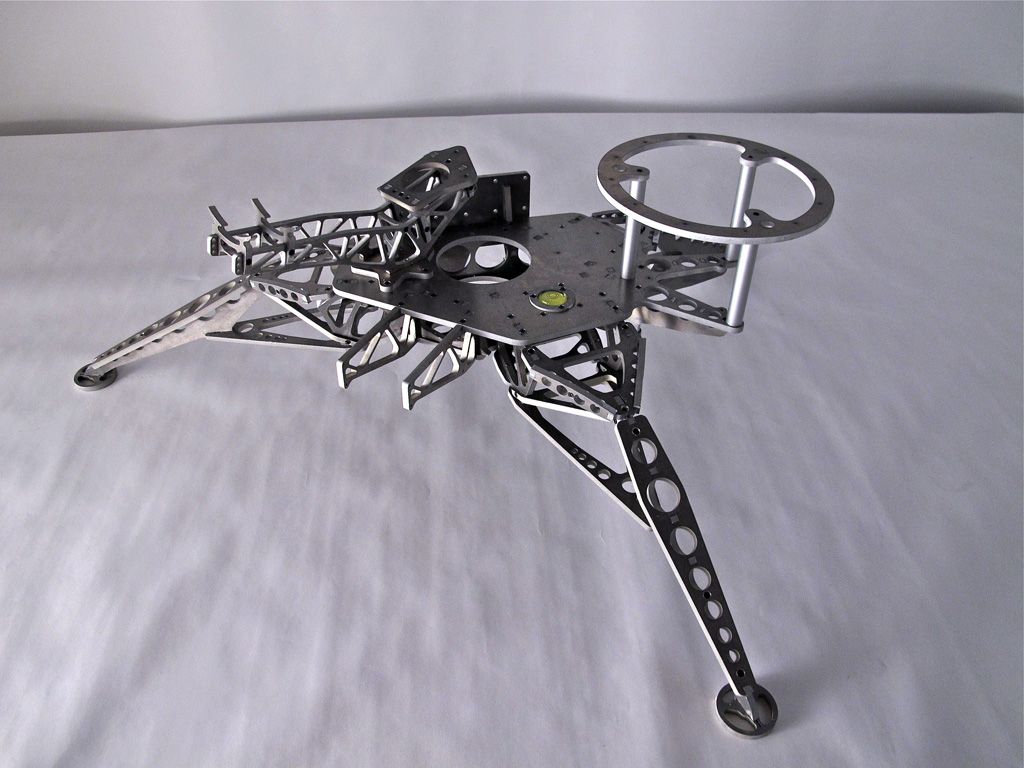
Instrument Eight, in progress (Nat Chard)
They are made from quarter inch (6.5mm) aluminium plate. I had the pieces waterjet cut. All the joints are slotted for structural integrity and are held together by bolts. The cutting is slightly off so all the joints need to be filed to get the pieces to fit – better than too loose I suppose. The chassis is much stronger than the acrylic ones I built for instruments four to seven, to the extent that I can comfortably stand on this one without it complaining. It is also much more resistant to breakage from knocks. I will tell the story as the thing develops. The design of the chassis is a development of that for Instrument Seven. It has a slightly different geometry and there are no interchangeable parts.

Instrument Eight, in progress (Nat Chard)
This film runs with the previous post and is of the apparatus for the full scale picture plane built in collaboration with Mette Ramsgard Thomsen and Florian Koehl. There is a moment when the crane remains still for a while and then moves again, so please be patient!

Peepshow Frame (Nat Chard)
The picture above shows the frame and plates for an experimental peepshow that is open and has adjustable planes. It was a test to find a measure for the accommodation the eye would allow from an ideal anamorphic distortion. The two drawing below were made to calculate that distortion for a particular position of the plates for the main two views. The plates have holes cut in them to composit the peepshow views with the place in which it is found, in this case the iCP gallery in Hamburg.

Drawing One (Nat Chard)

Drawing Two (Nat Chard)
The anamorphic images on the plates are derived from a model (furniture by Karen Gamborg Knudsen and Frederik Petersen) with the two principle views shown below.

Study front

Study side
The following photographs show various views through the peepshow
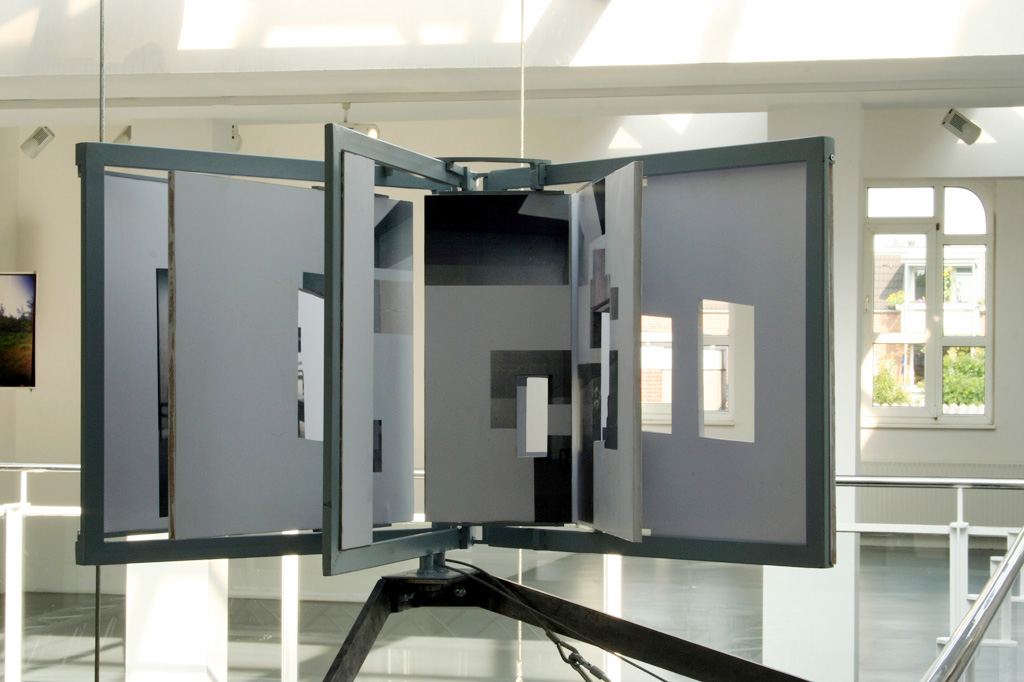
Peepshow (Nat Chard)
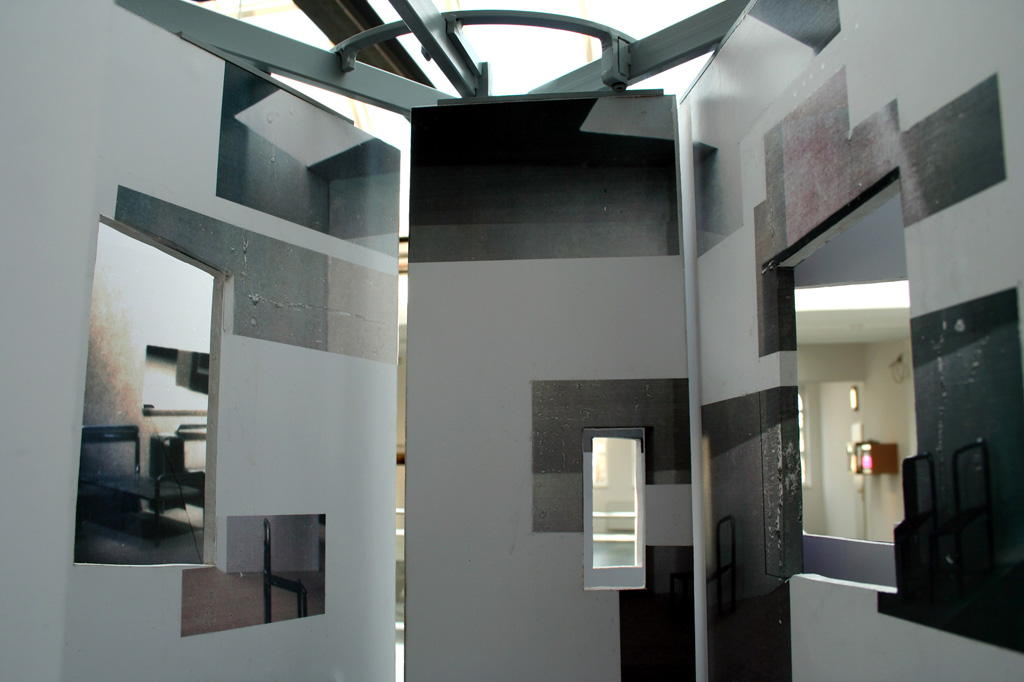
Peepshow (Nat Chard)

Peepshow (Nat Chard)
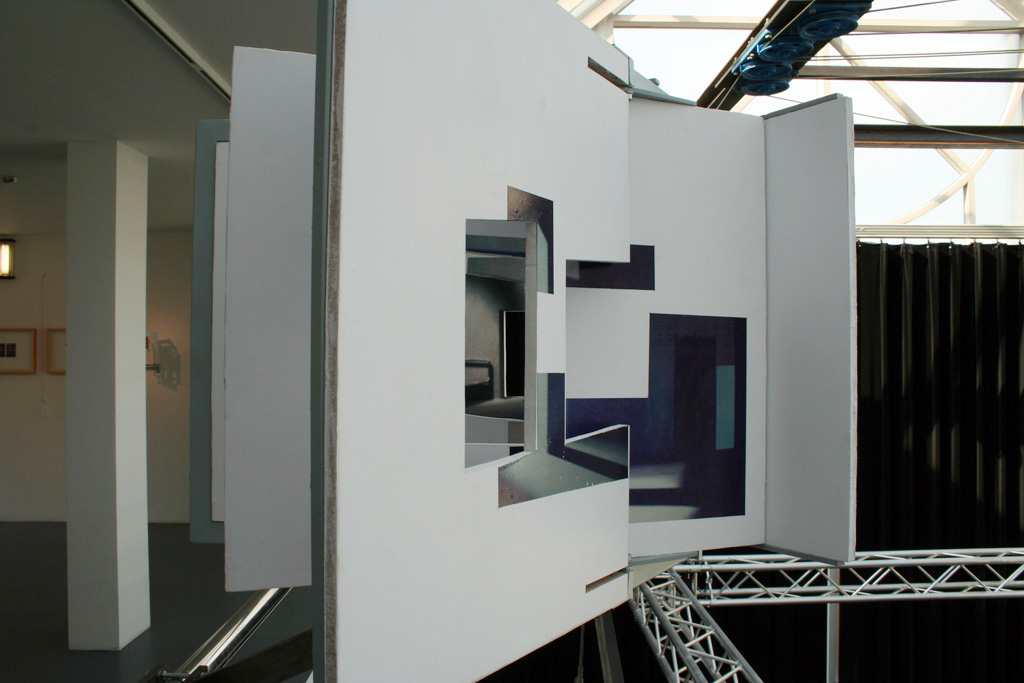
Peepshow (Nat Chard)

Peepshow (Nat Chard)
Here is a film of instrument three in action – it makes some sense of how the instrument works. During the first half the picture plane folds to provide a critical review of the projection. In the second half the model that is projected is moving, both to persuade but also, when the picture plane is folding, to try to insist on its opinion.

Instrument Seven drawing (Nat Chard)
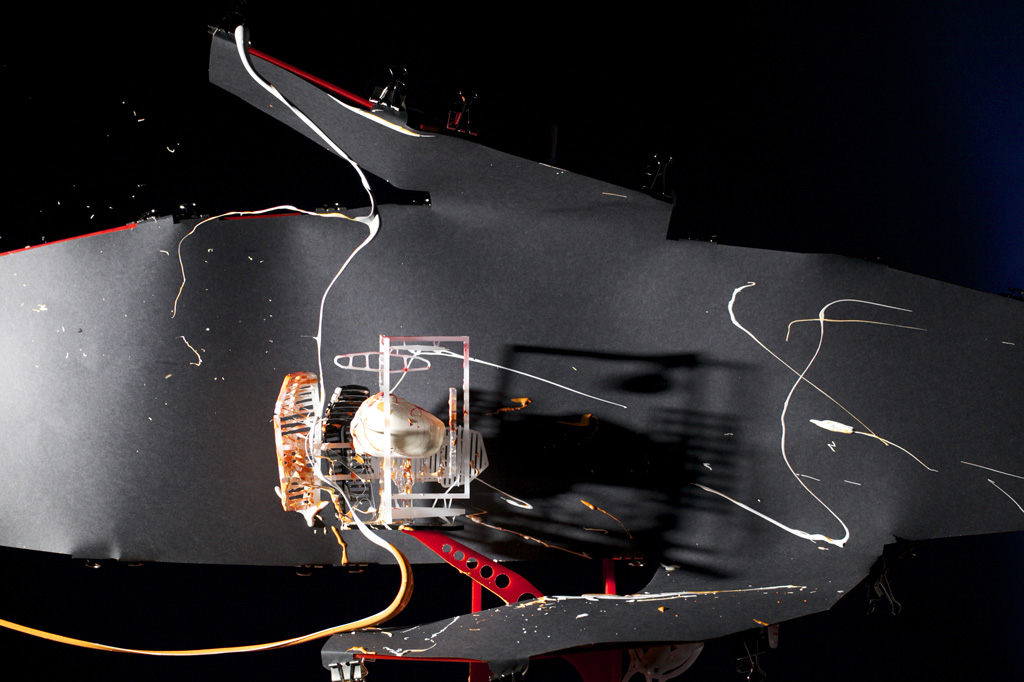
Instrument Seven drawing (Nat Chard)
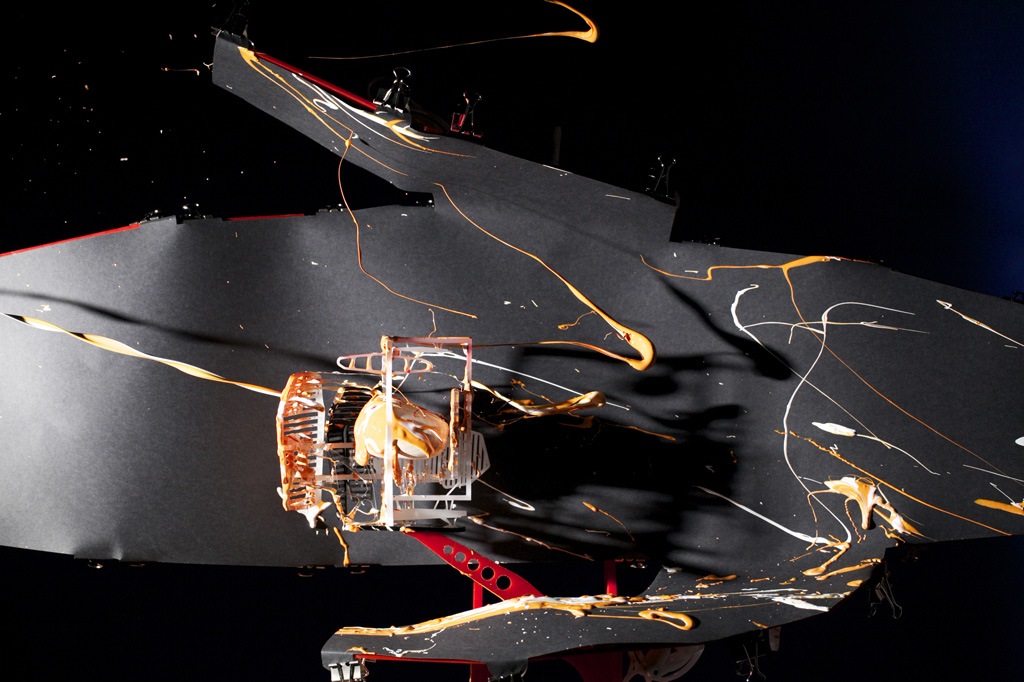
Instrument Seven drawing (Nat Chard)

Instrument Seven drawing (Nat Chard)

Instrument Seven drawing (Nat Chard)

Instrument Seven drawing (Nat Chard)
A series of paint throws at Instrument Seven.
Note how the picture plane catches mostly the splatters that come off the drawing pieces except at the right hand end where some of the main throw is caught. The folds int he picture plane are much more subtle than in the previous instruments and have a much greater effect. The degree of fold can be seen in the previous post.

 Nat Chard