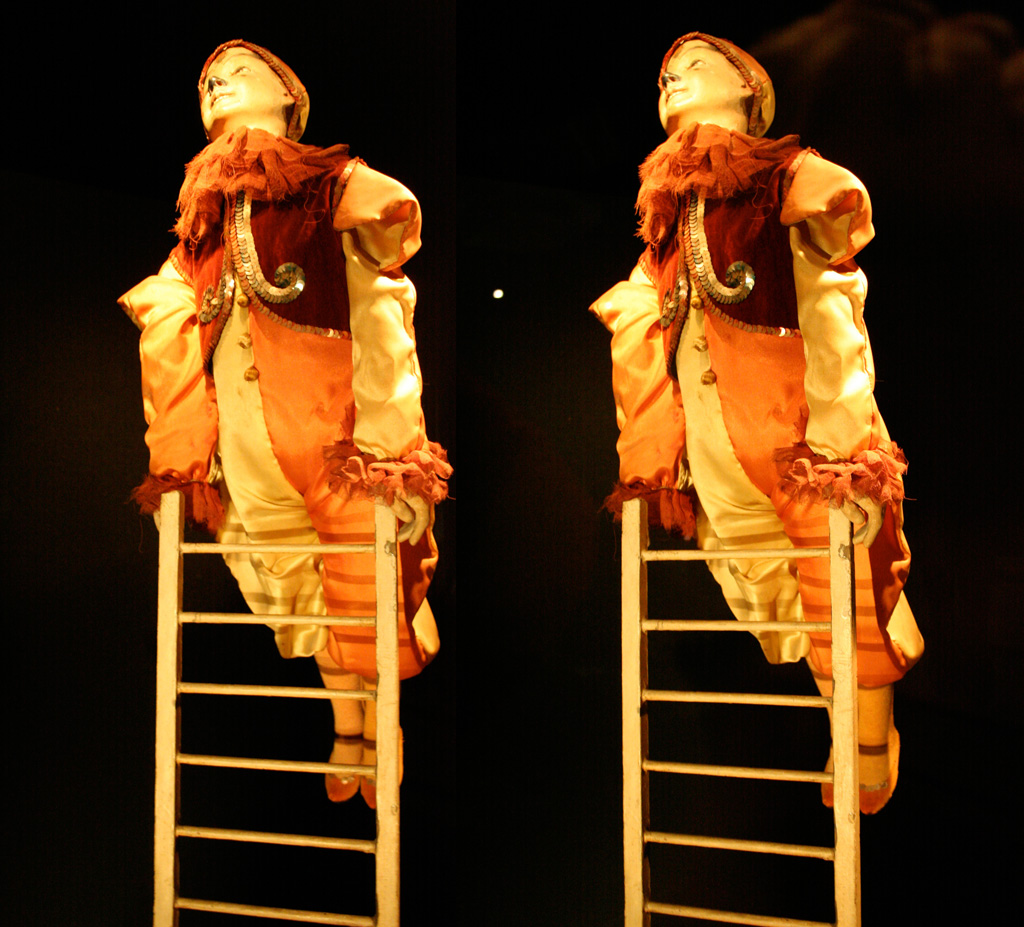
Here are a range of medical furniture pieces on show at the Gothenburg Medical Museum that exhibits chilling simplicity. Usual drill on the stereoscopic viewing. The pair above might be a slight strain to resolve, but probably worth it.
- Gothenburg
These automata and the musical clock above are from the Musée des Arts et Métiers in Paris. Since the renovation they are kept in cases on the main floor. Previously they went on show on, if I remember correctly, the first Tuesday of every month. The curators, all wearing white gloves, would carefully wind up the automata one by one, some with their fur and others just the chassis so you could see how they worked. The highlight was the performance by The Dulcimer Player (below, 1784) by Kintzing and Roentgen for Marie Antoinette. The highlight of the highlight was when the chief curator theatrically lifted her skirts to reveal her exquisite mechanism.
As before, to register the stereoscopic view in 3D go cross-eyed until the images register one over the other. Try to relax and concentrate on the middle of the three images that appear when they are registered. If you are having problems, make the image smaller and try again.
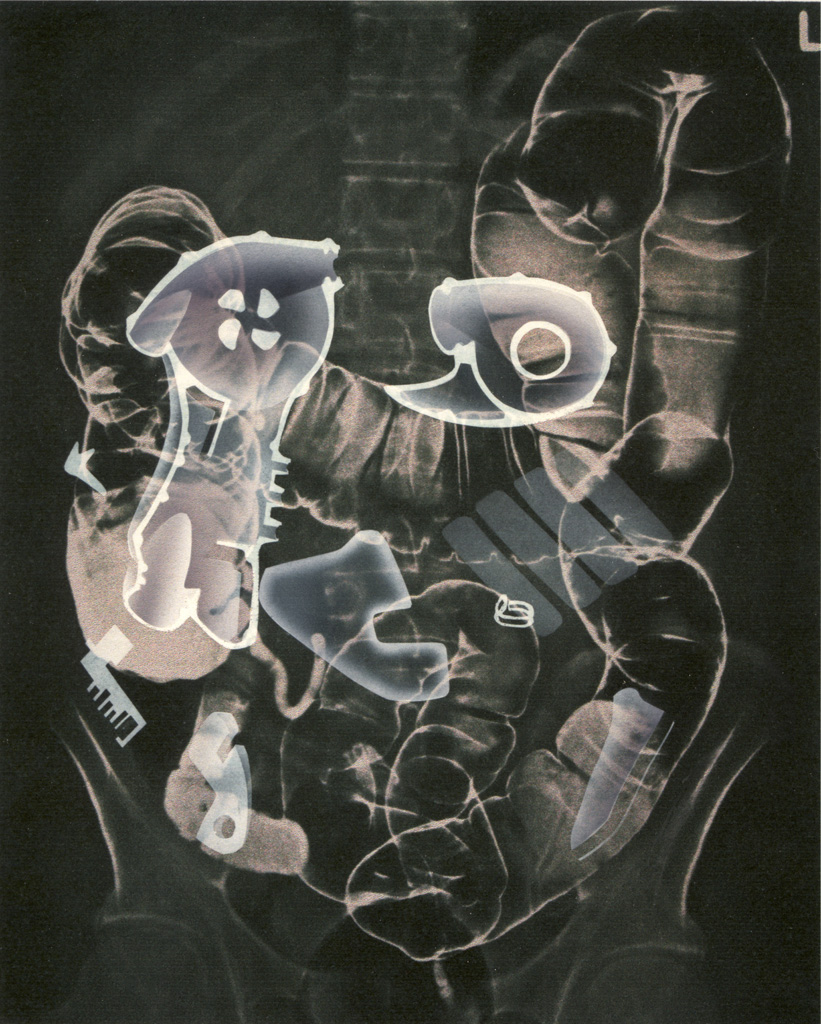
I have just returned to some drawings I made many years ago. I had a request to put them in an exhibition, which might interfere with a couple of other exhibitions that are coming up, so I have made some copies with slight alterations. It is part of the second body project (see here and here) where I altered X-ray photographs of the body and the related positioning photographs to take those X-rays. The positioning pictures (the originals are taken from Positioning in Radiography by K.C. Clark, 1949 edition) have slight bumps on the body that reveal the synthetic organs through formal transparency. I have not altered these much but have developed the X-ray images by spraying transparent cool grey on the interior of the synthetic organs and added soft highlights, which gives a transparency closer to that in an X-ray.

Although I have returned to projects before – there are three generations of body projects (and one that was started about eight years ago but lying dormant) and I am working on the eighth generation of drawing instruments, but I have never redrawn an old project before. I know a couple people whose work I really admire who are constantly revisiting old projects, so I do not feel too queazy about it!
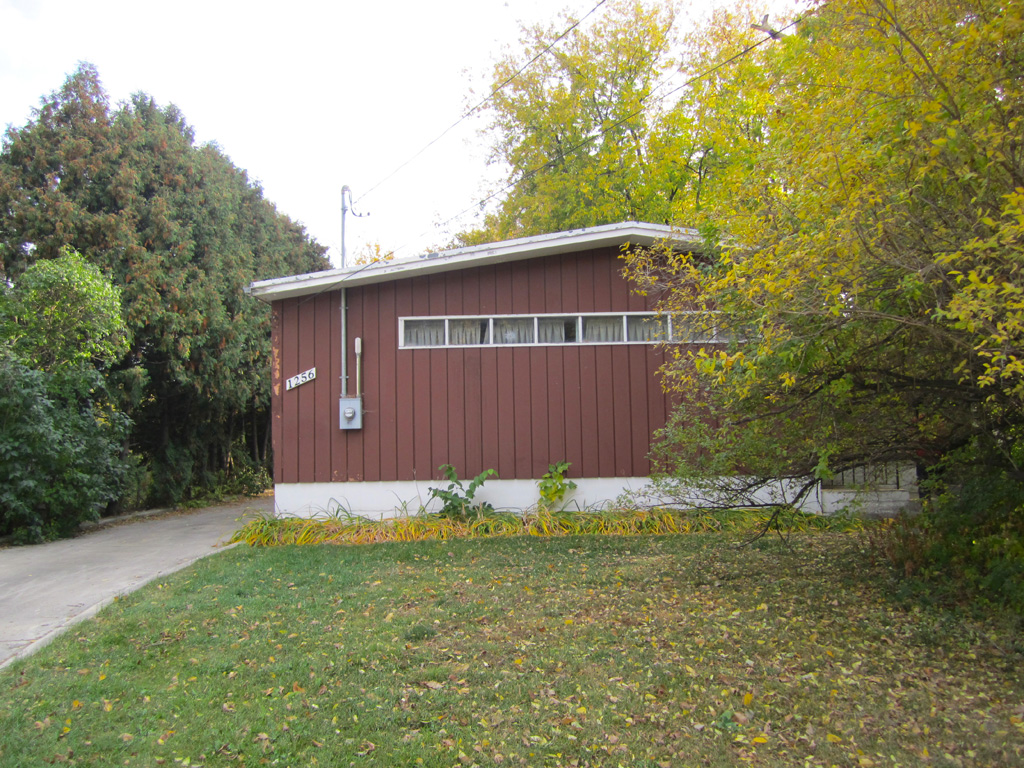
Apparently a banal bungalow of a type (ranch) that is common in Winnipeg, this pumping station (?) is disguised to blend in with the local domestic detached houses. The street number and utilities meter encourage the feeling of domesticity and the front door is in a similar overgrown state to the houses that surround it. The neighbourhood, Wolseley, is an outpost for those still trying to live the counter culture as if the world were still as it was in 1970. As you walk round the back the building’s secrets unfold.
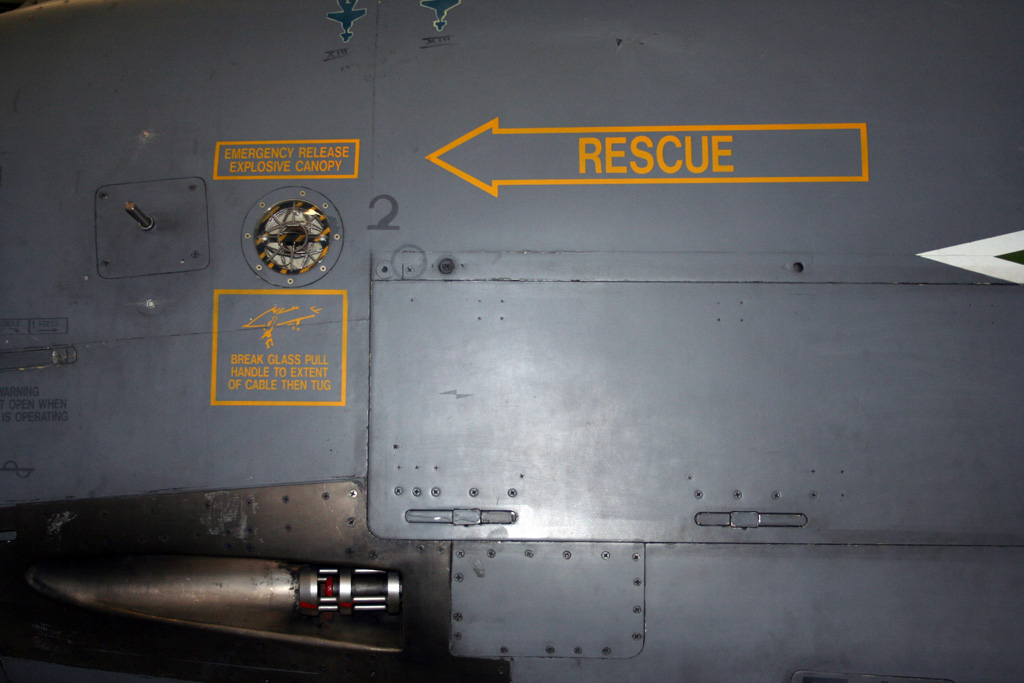
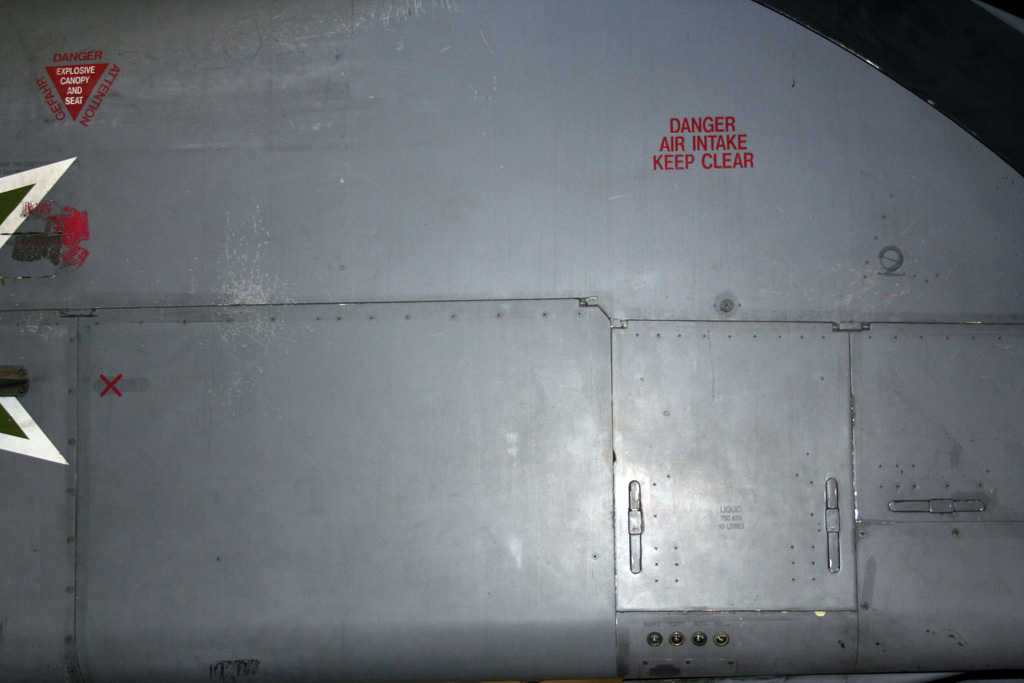
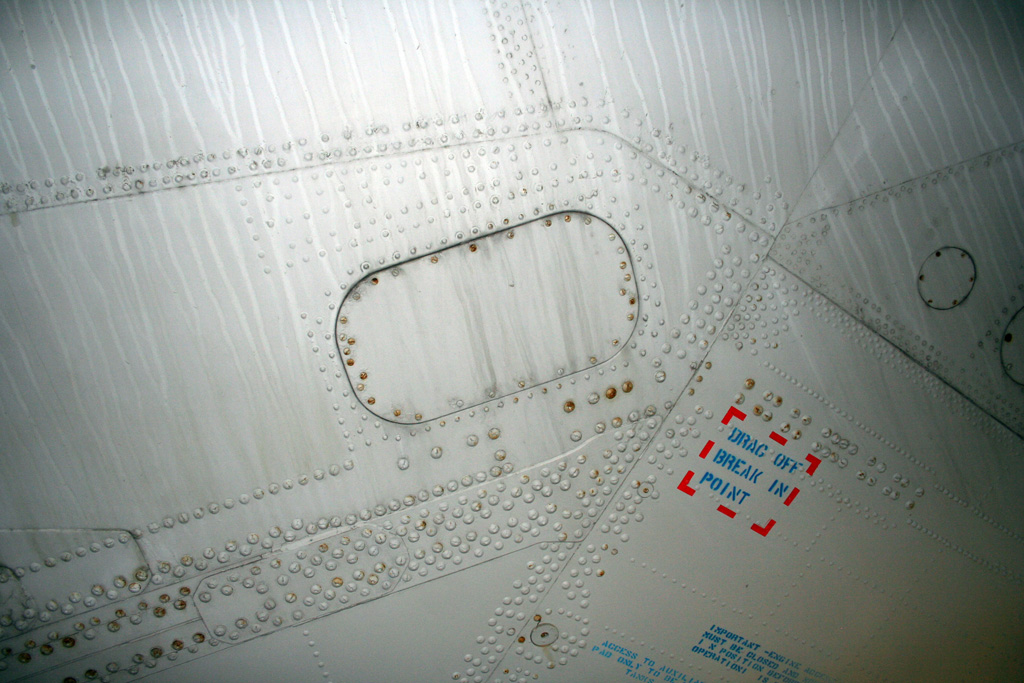
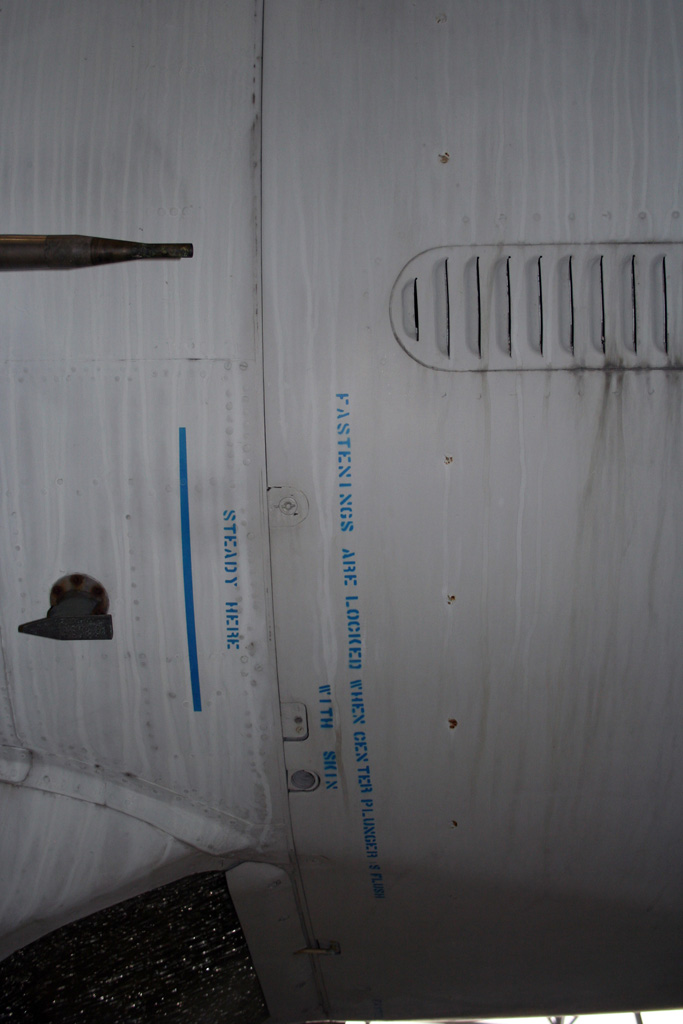
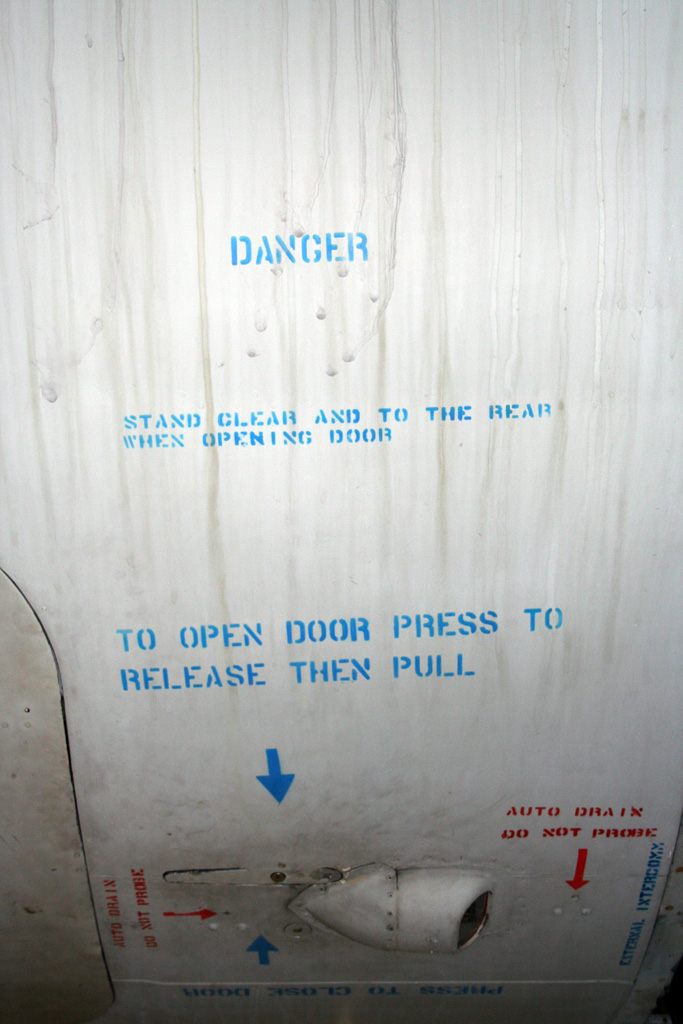
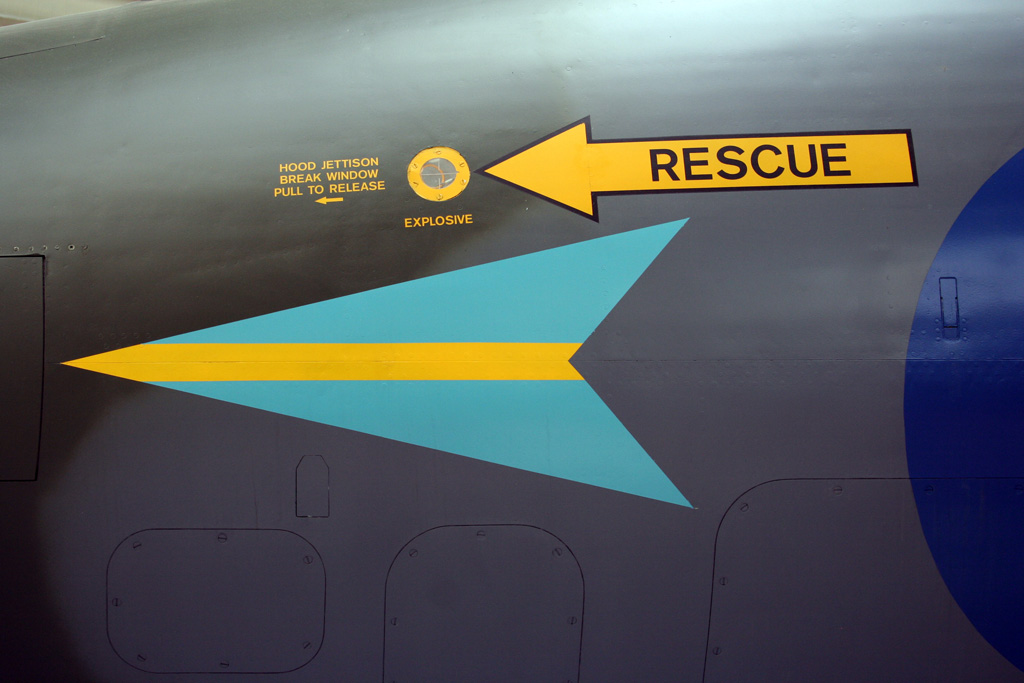
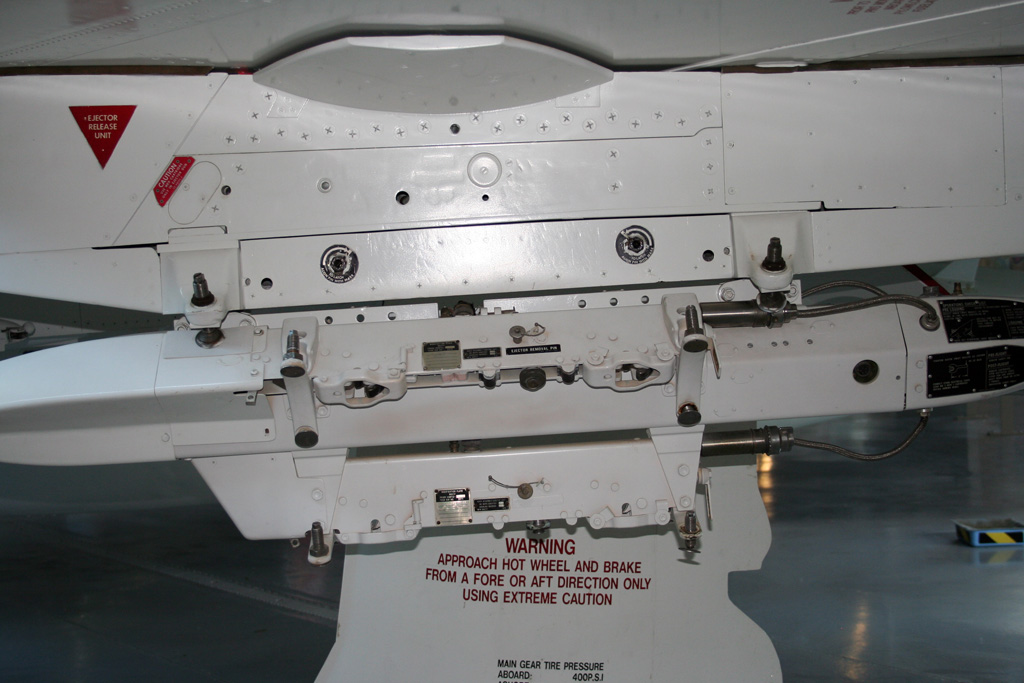
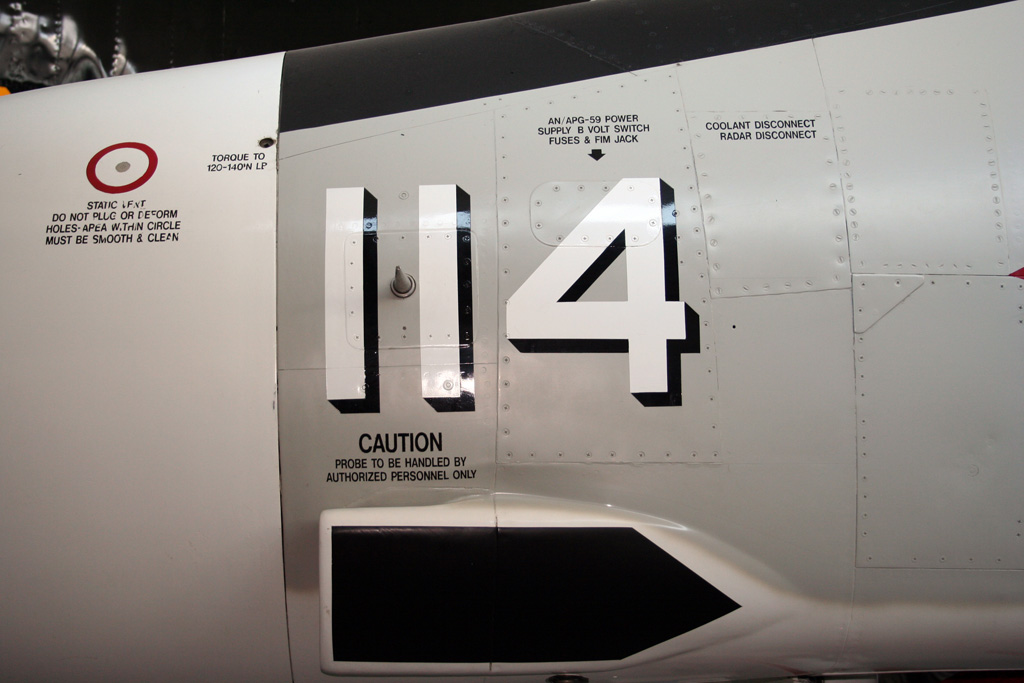
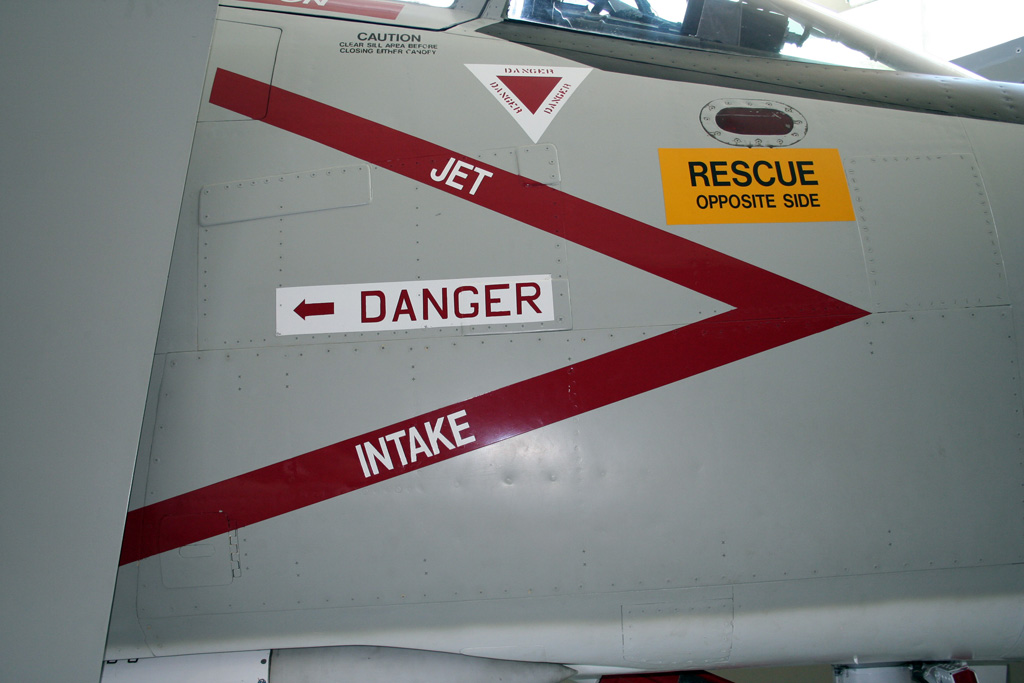
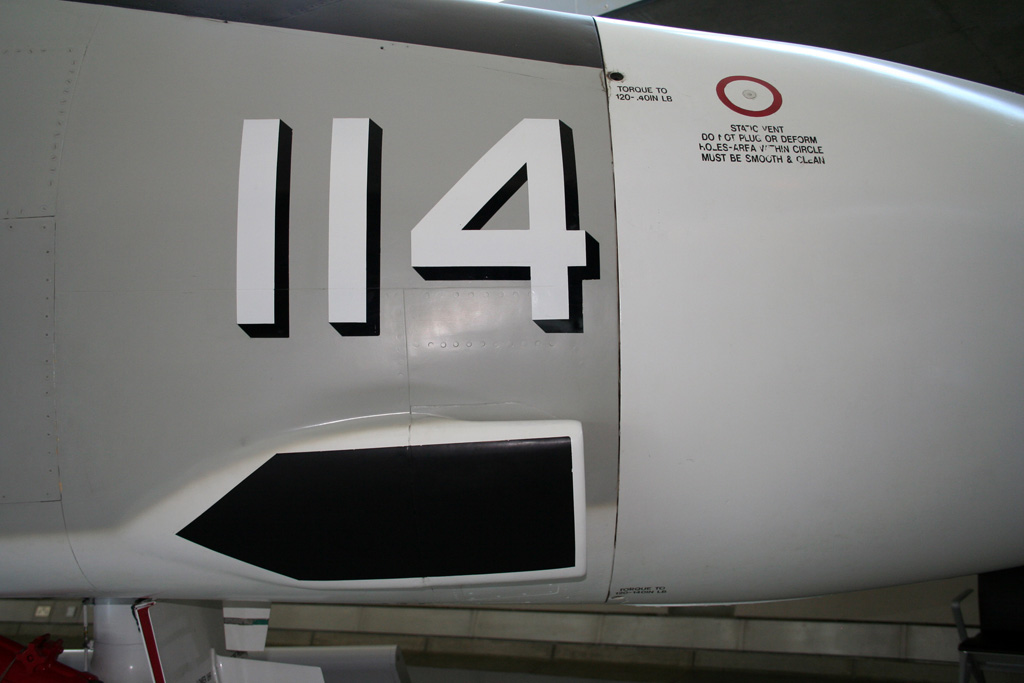
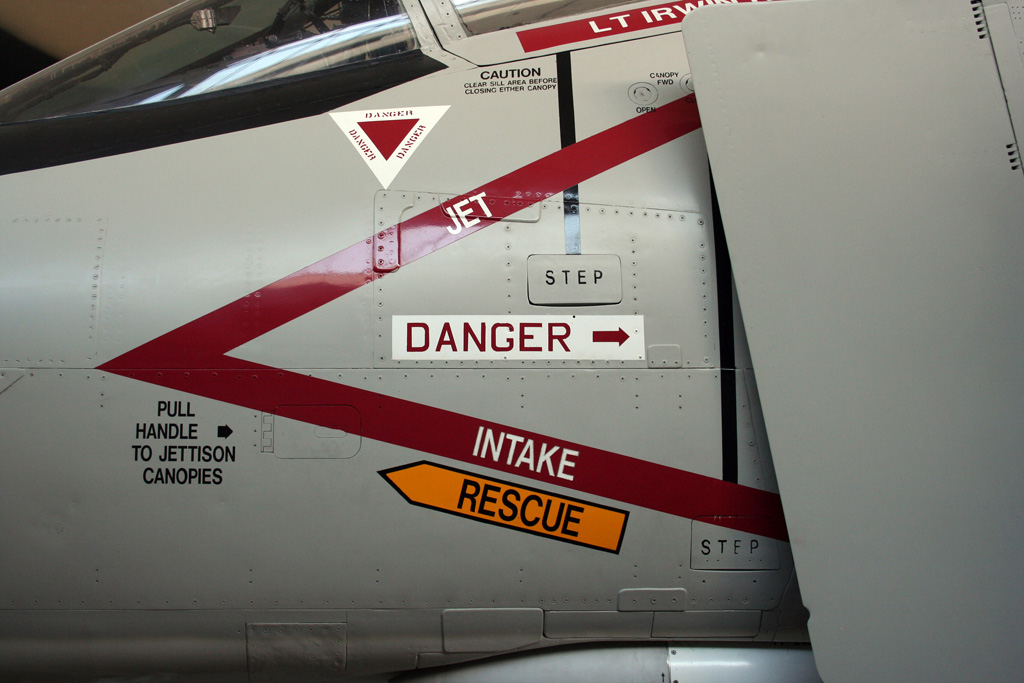
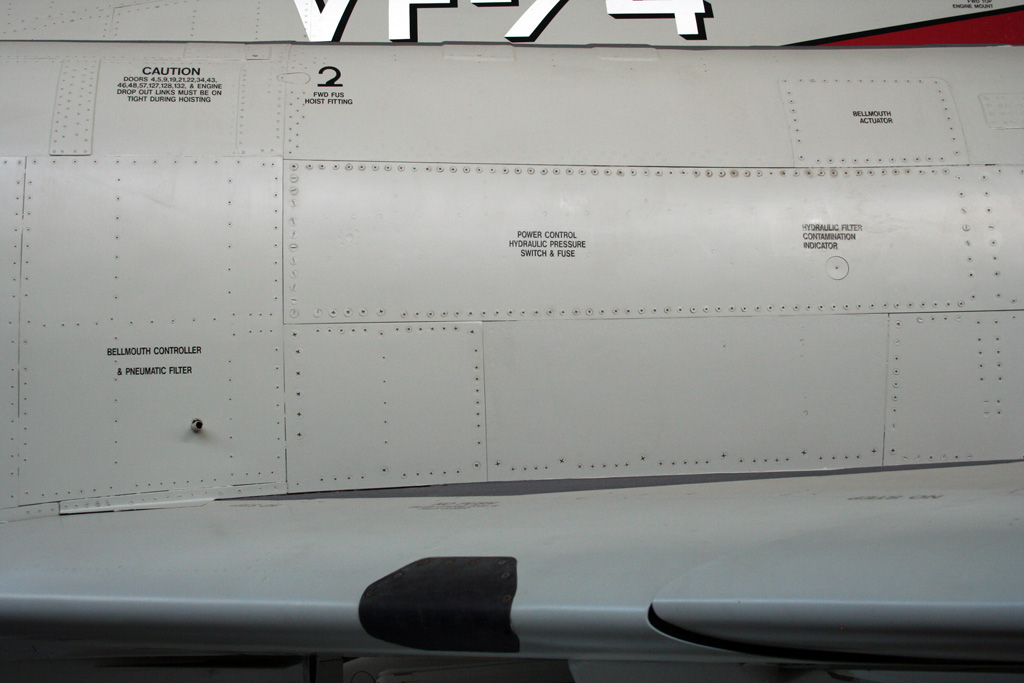
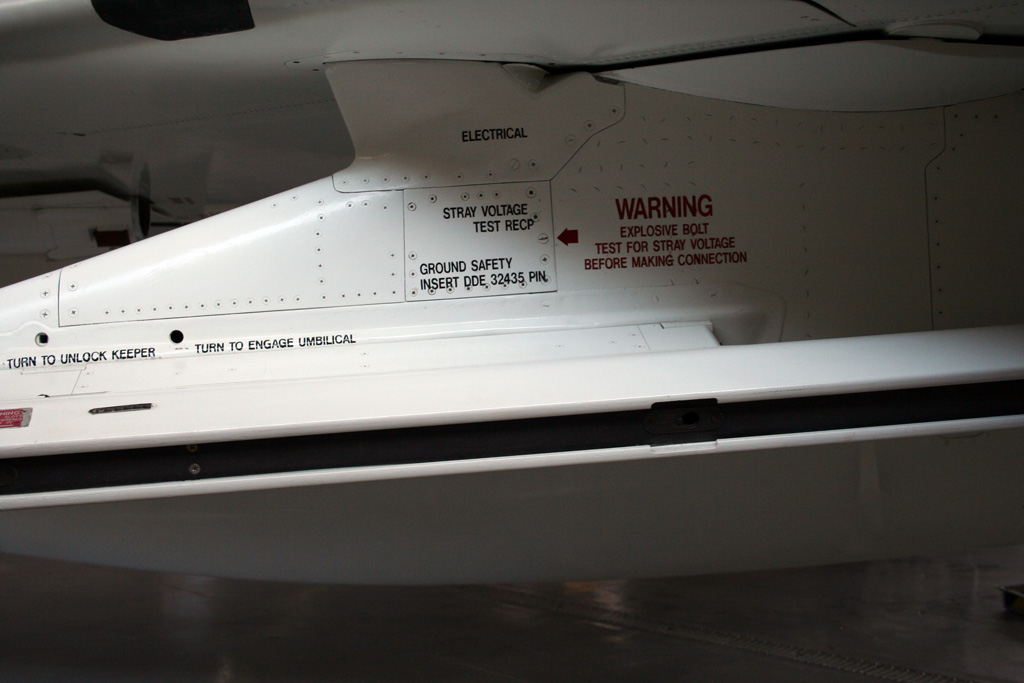
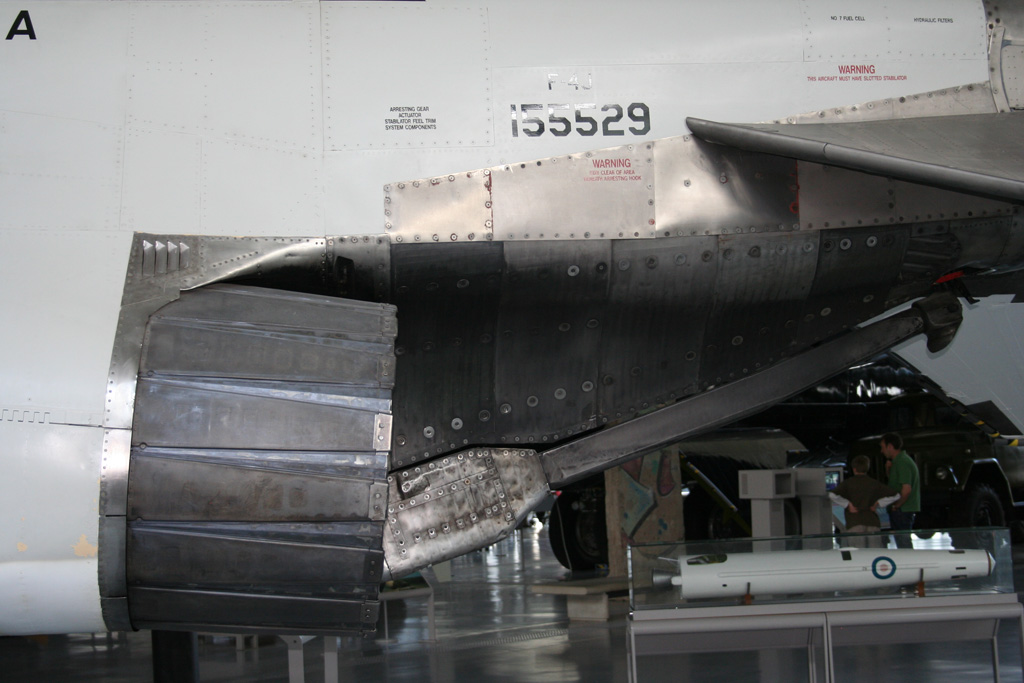
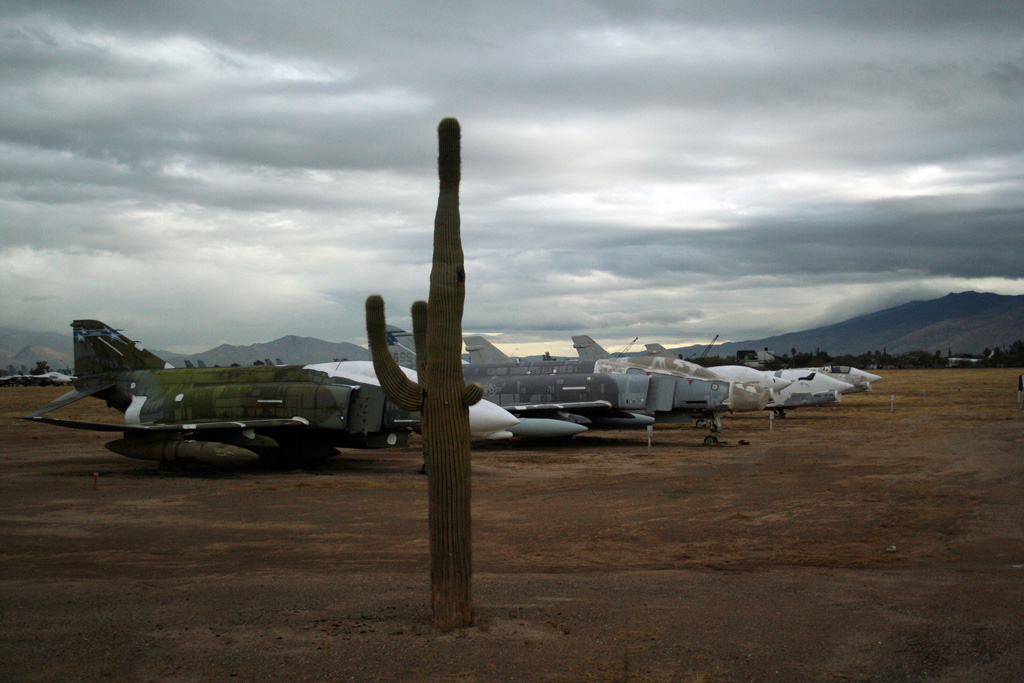
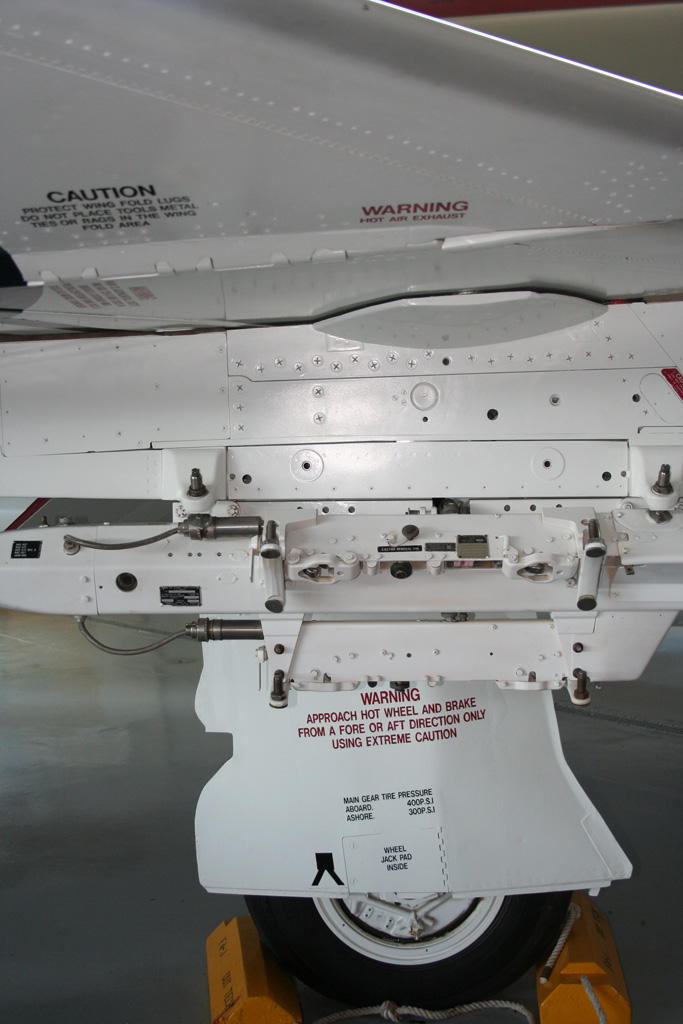
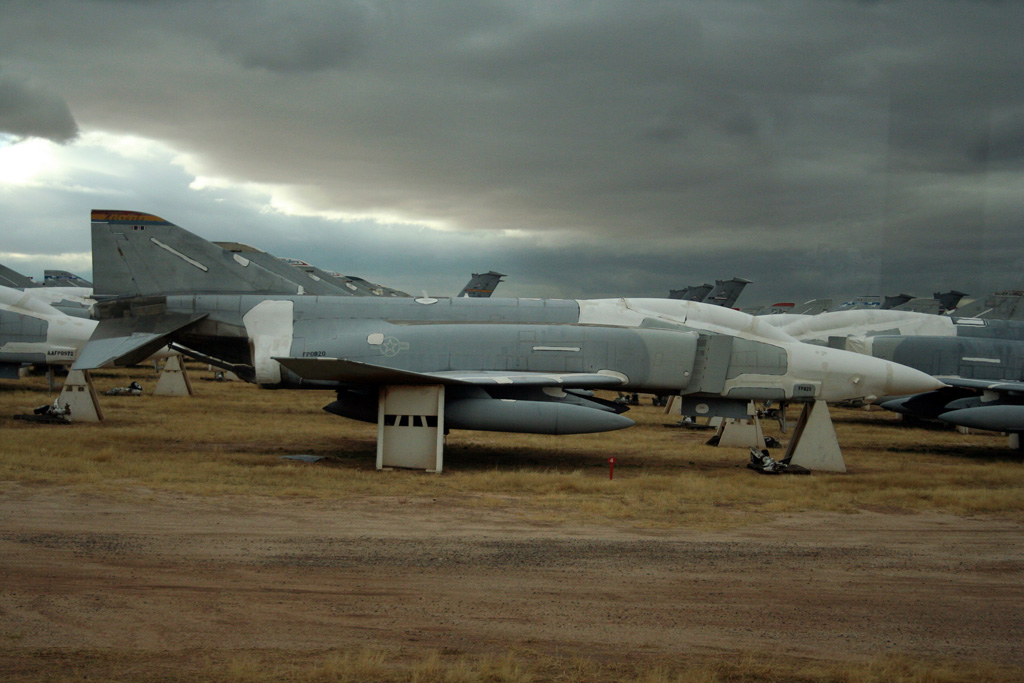
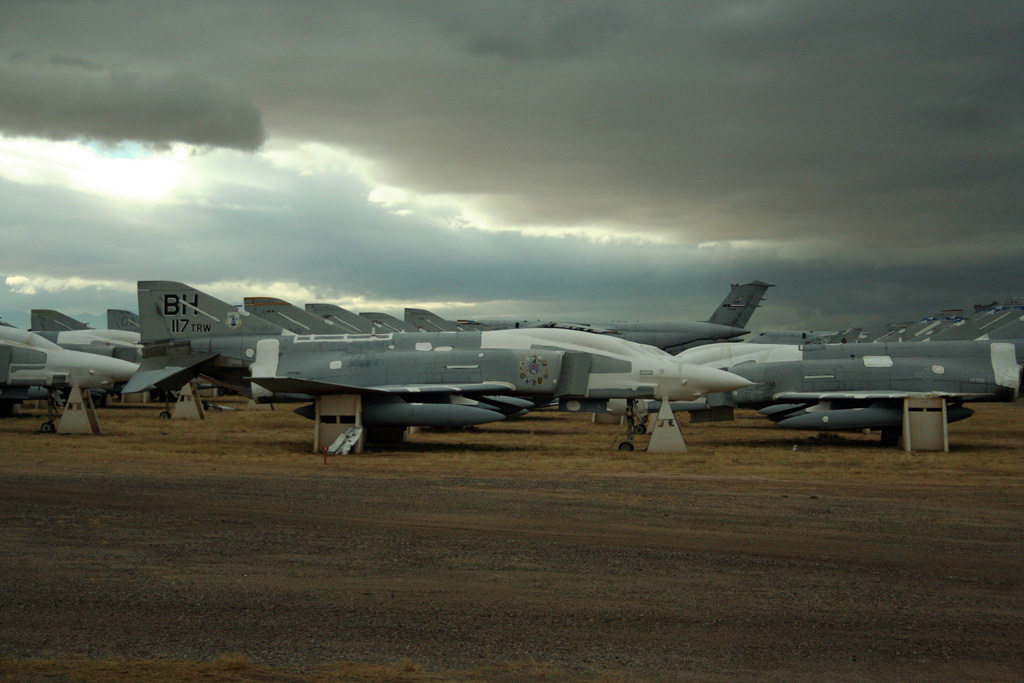
The surfaces of civil and military aircraft are covered with written instructions. These prescribe how well-trained people should work on and operate the thing. was wondering how one might employ similar tactics in architecture, not to prescribe how to occupy architecture but to bring habitual occupation into question. The detail examples here are from an American Navy F4 at Duxford and the full aeroplane shown (mothballed) at AMARC in Tucson. I have a few more miscellaneous examples that I will post another day.
I just received a copy of Design Ecologies (Volume 2 No.1) edited by Shaun Murray. The title of the issue is The Ill Defined Niche. It has chapters by Shaun Murray, Camila Sotomayor, Tim Matts and Aiden Tynan and one by me called Drawing Uncertainty that covers some of the instruments and the Bird Automata Test Track. If you are interested you can order a copy here.
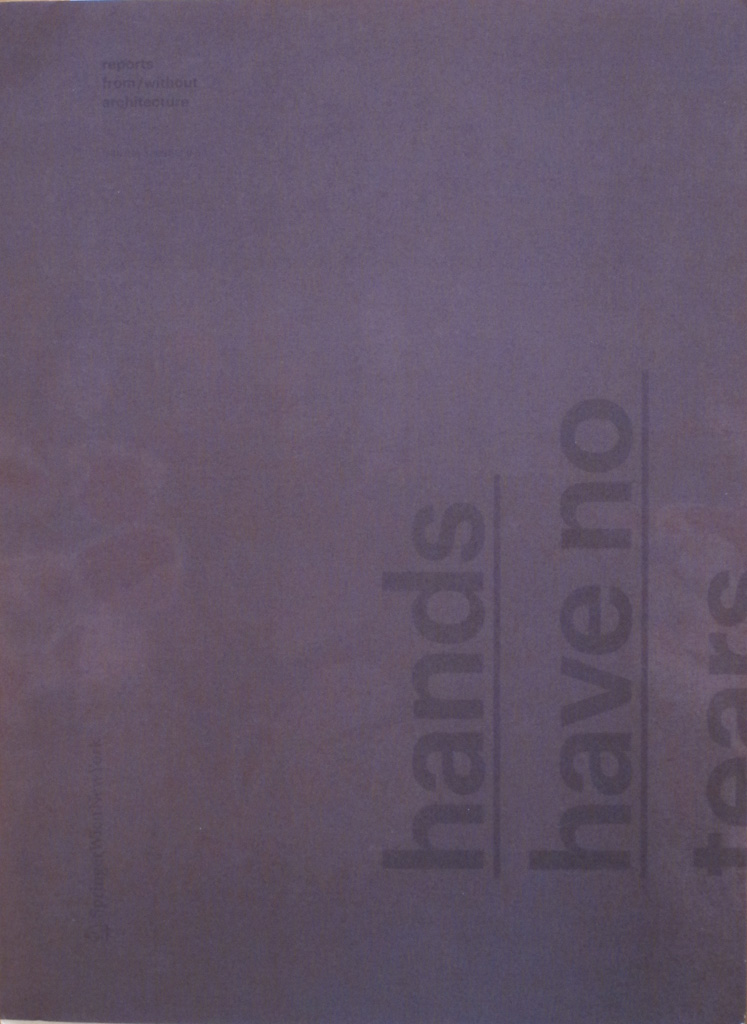
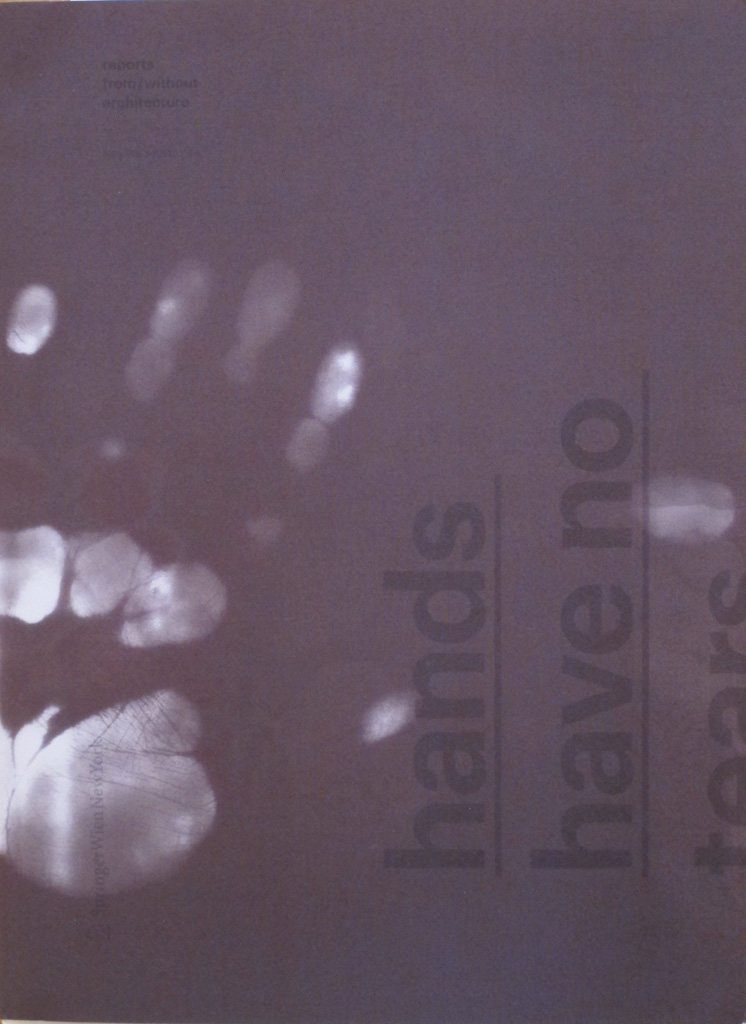
This book arrived today (thanks Christina), a collection of images and discussions of the body published for the Austrian Pavilion at the Venice Biennale this year. It has a wonderful selection of images (and a couple of my early body drawings) and is beautifully produced. As you will see more clearly from the lower image, the book has a thermo-sensitive cover.