Sorry, I have been away but will start posting again in the next couple of days.
Posts will resume soon
Leave a comment
Sorry, I have been away but will start posting again in the next couple of days.

Rear view of new set of drawings
Here is a rear view of a new set of drawings I am working on. THey are on their side – seen normally the top is to the right. The blue is masking tape on the drawing side that is folded over round the back. The drawing surface is folded in slightly different ways in each one for a sequence that will combine some old ideas about how to draw spatial consciousness and an adaptation of the process used with instruments Five and Seven. The back layer provides the stiffness to hold the shape of the folds and has all the cut outs to keep with down. The protruding parts register and hold the angle of the folds.
I will post some more when the drawings on the front have progressed a bit further.
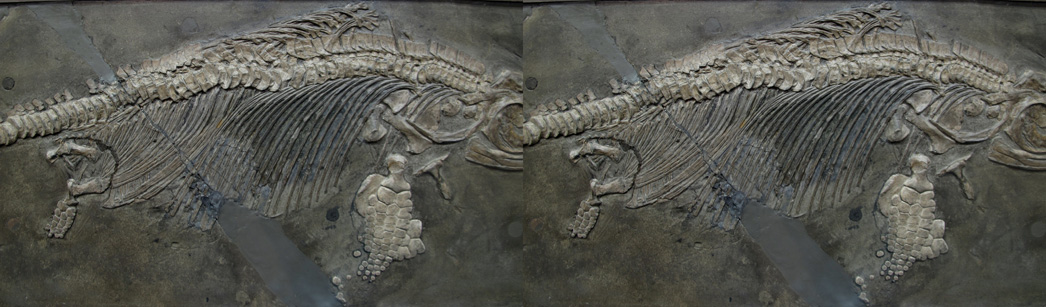
Fossil
The fossilised and squashed remains of a fish-like creature from the Yale Peabody museum. It follows a pattern of such fossils with a few dislocated vertebra revealing the other sections of the spine. The alternate flip and flop of the ribs and the various views of the vertebra provide a slightly cubist view. Like a low relief sculpture, it sits somewhere between two and a fully three dimensional existence.
The thing is so flat that the stereoscopy hardly registers. As with the dioramas, though, the three dimensional registration is quite revealing.
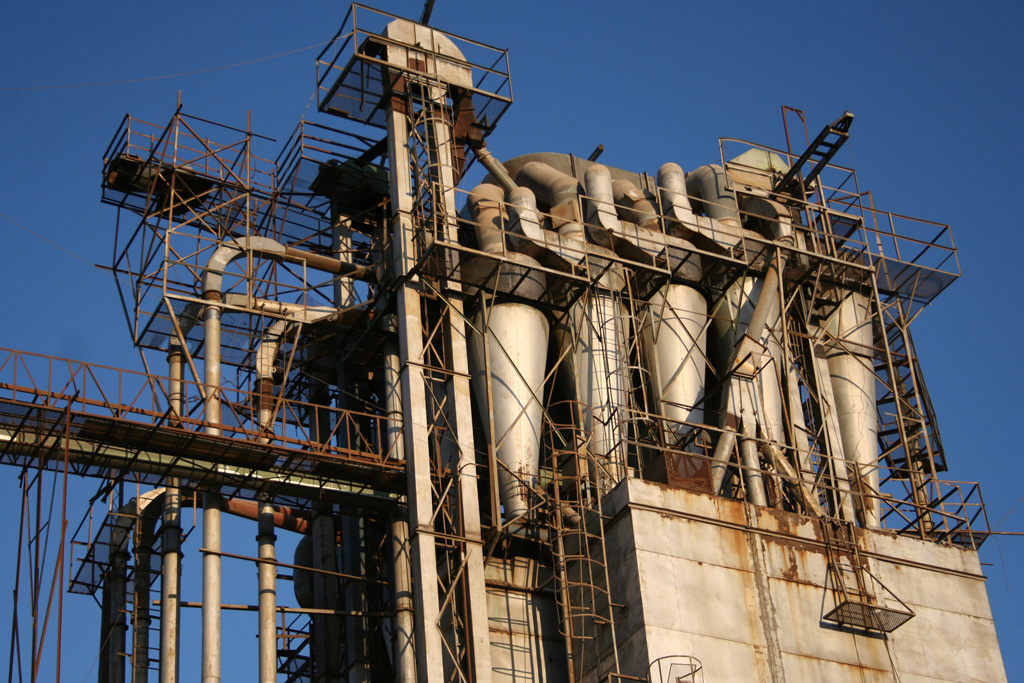
Central Grain
While the new work is simmering, here are some views of Central Grain, a grain facility on the edge of town.

Central Grain
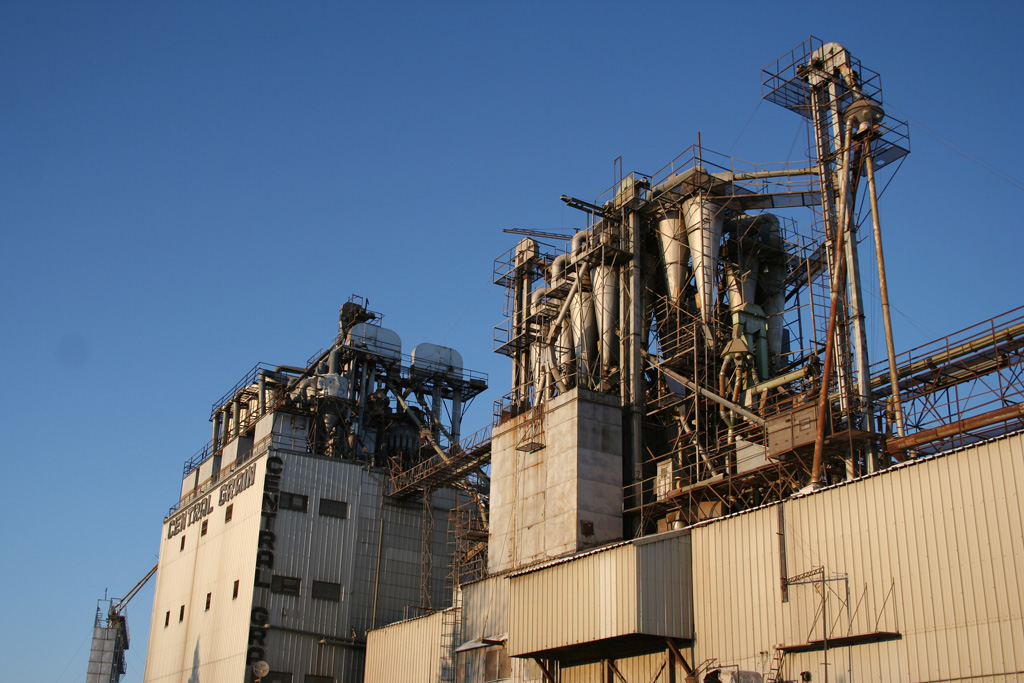
Central Grain
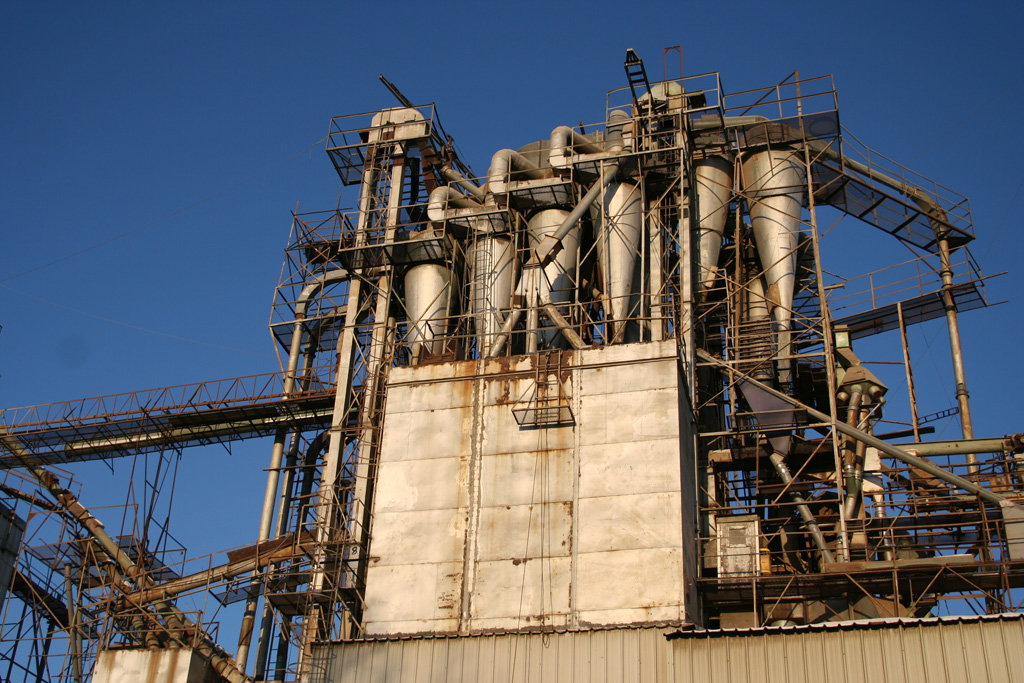
Central Grain
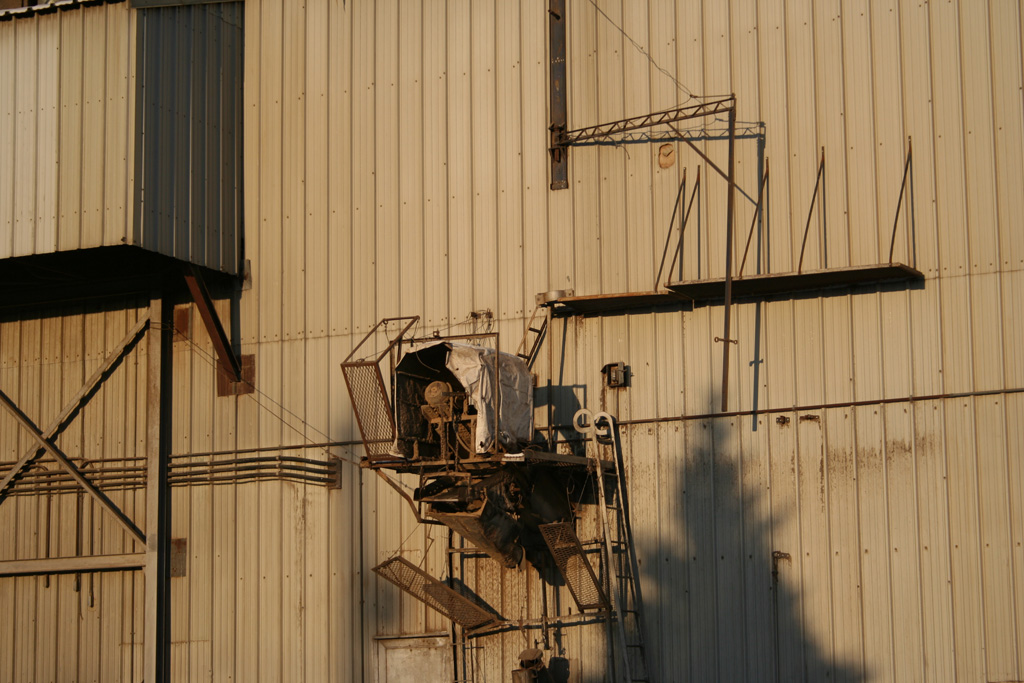
Central Grain

Mask (Nat Chard)
As you will have noticed on this blog for a while, I have been filling in with odds and ends while I get going on some new work. This is a drawing made as part of a program introduction in 1992. I had just started working with Polaroid transfers as a way of placing images on robust drawing paper so I could draw on top of them. The image above and the one below is of me with a mask, the others are of early media studies playing with the Polaroid transfers.
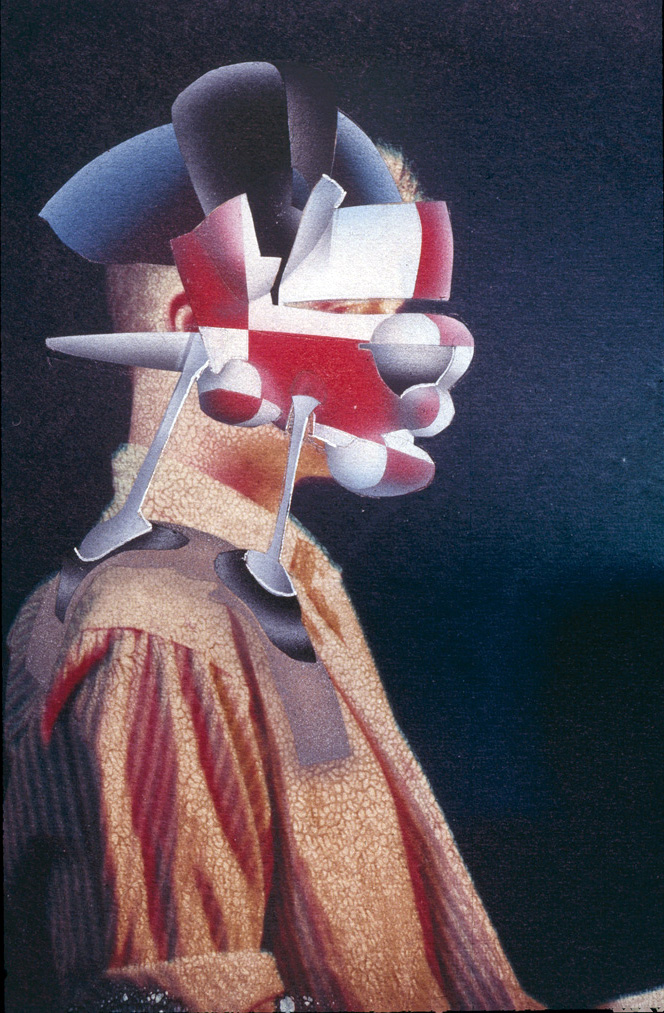
Mask (Nat Chard)
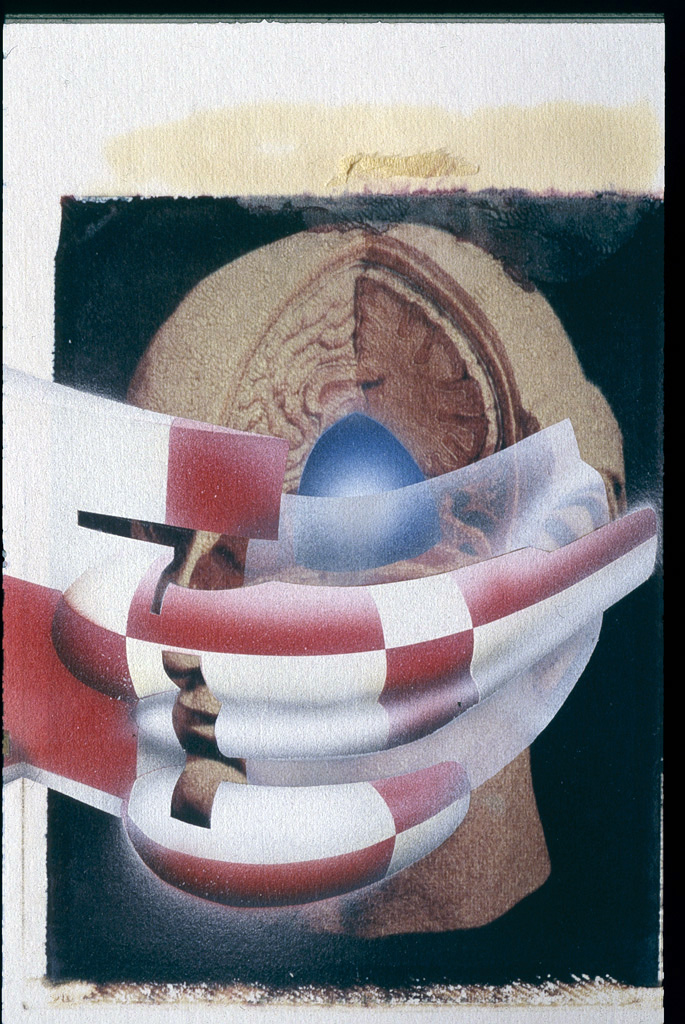
Mask study (Nat Chard)
The underlying image in the drawing above came from the Science Museum in London (a postcard) and is curious for an anatomical model in having an architectural section. Most anatomical models are much more ambitious about what the section can reveal.
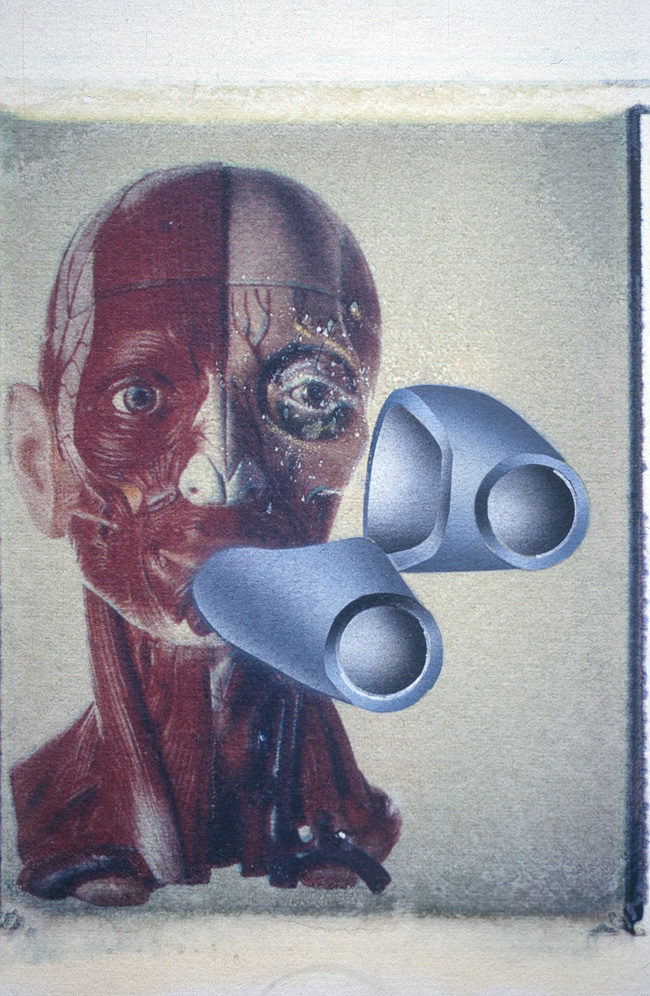
Media test for Polaroid transfer drawing (Nat Chard)
The top two drawings are made on type 59 Polaroid (5×4 inch) and the lower two on type 669, a little smaller – hence the difference in the surrounding chemical smudges.
 Nat Chard