Archive

Uncategorized

William H.Danforth Chapel

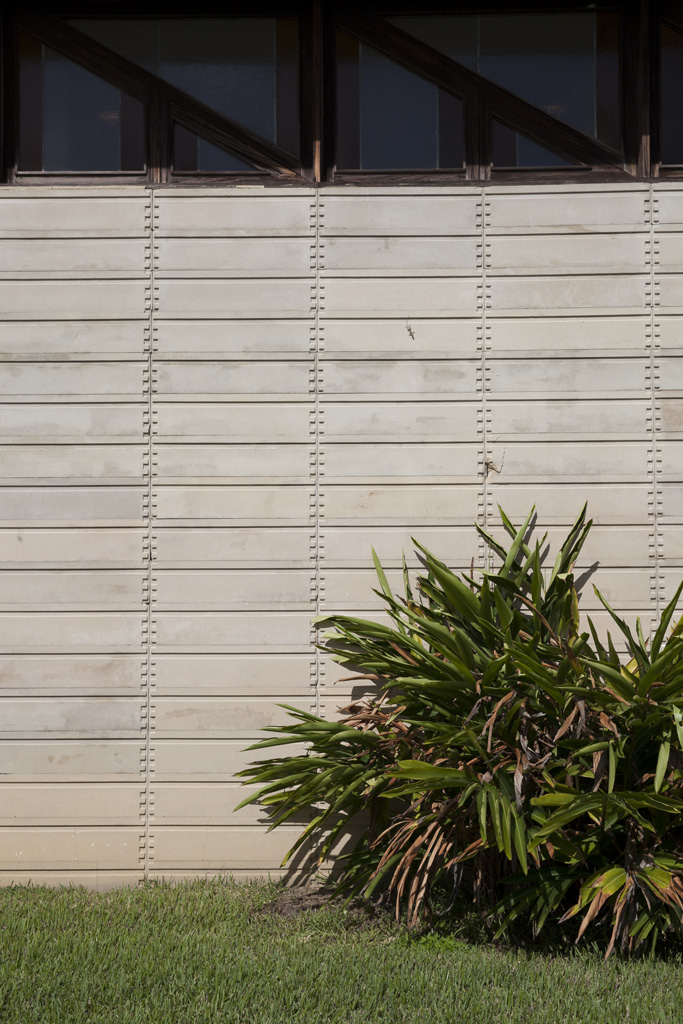
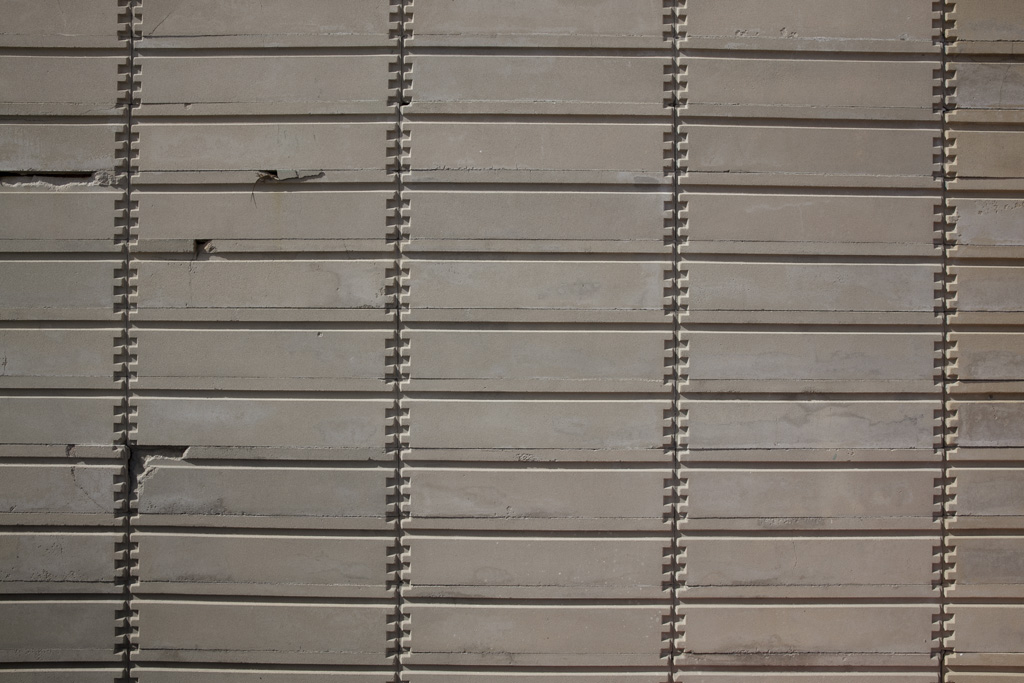
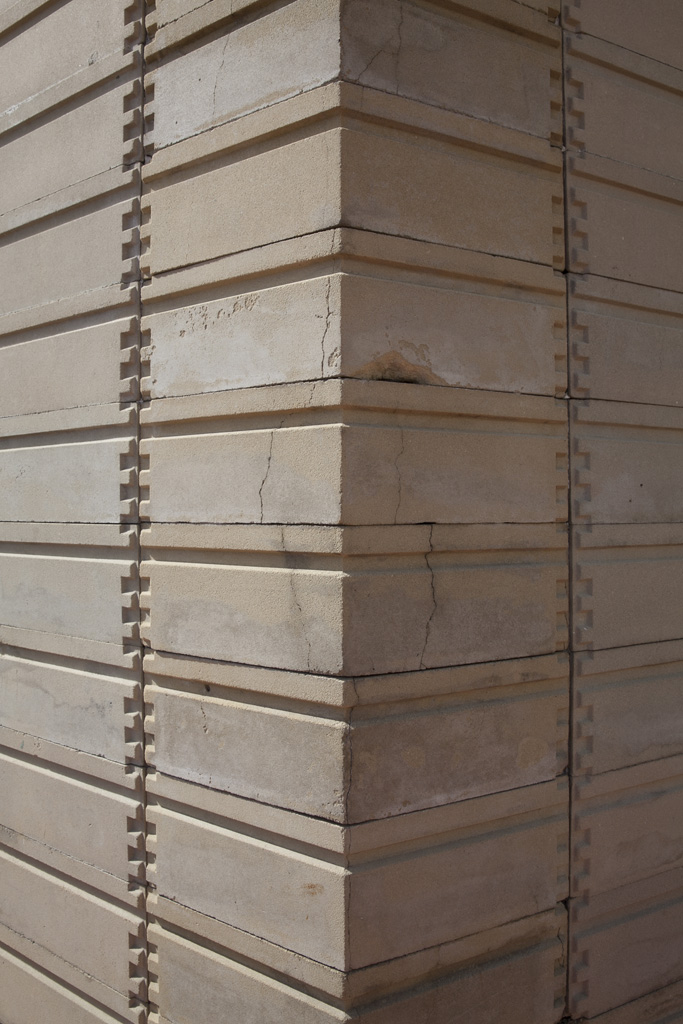
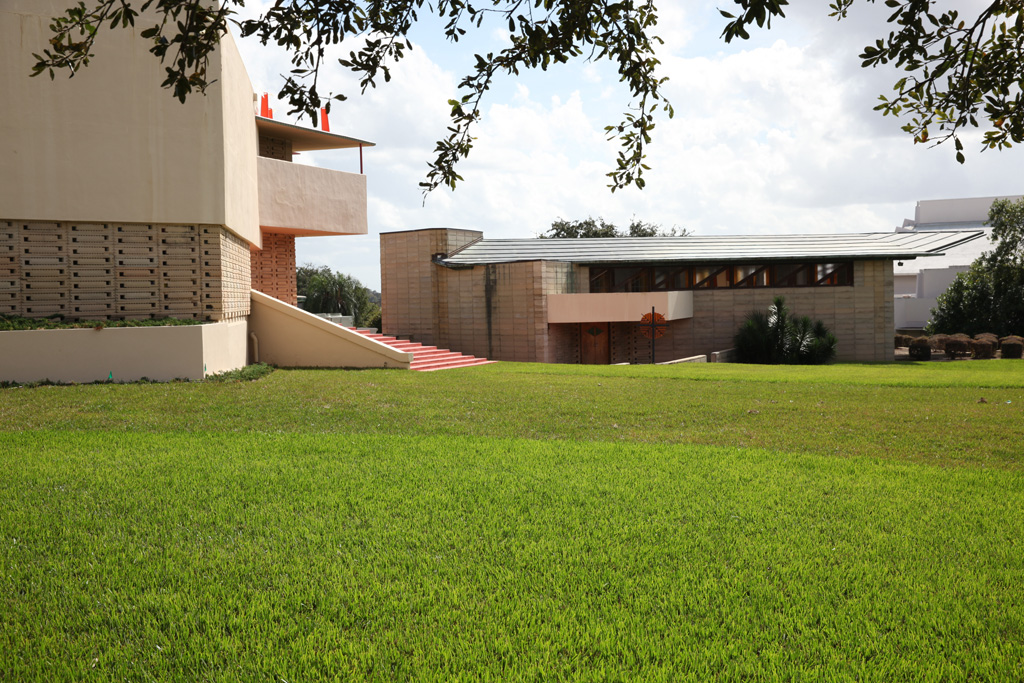
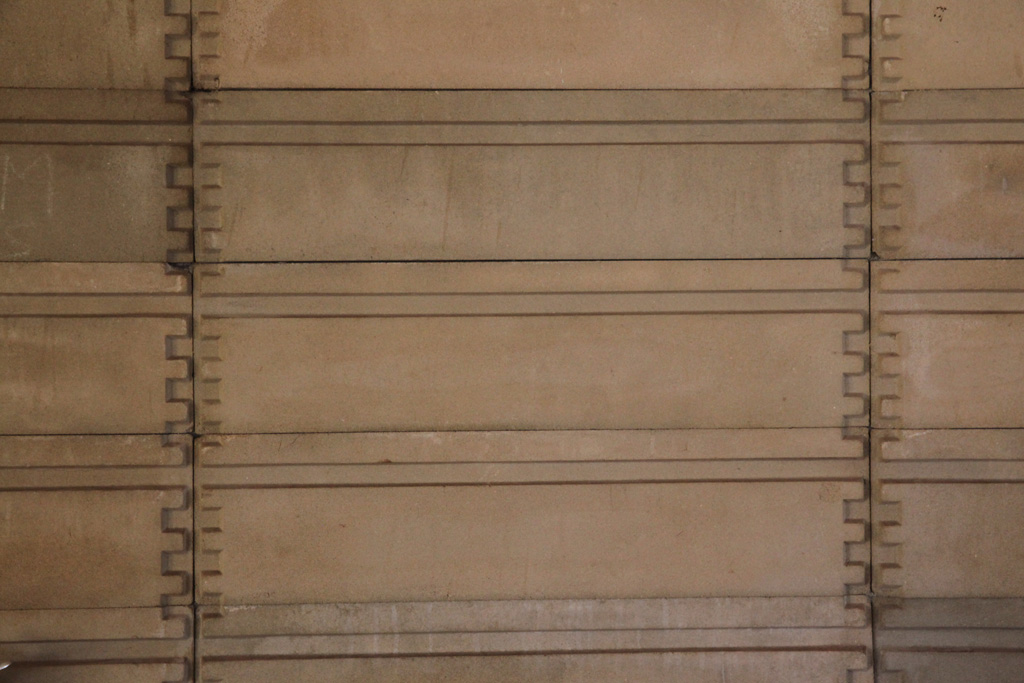
A few more details of the Frank Lloyd Wright blocks at the Southern Florida College, Lakeland. The William H.Danforth Chapel has simpler blocks than in the adjacent Annie Pfeiffer Chapel shown in previous posts. There is the same stack bond and cavity wall but the surface elaborations are simpler. The Annie Pfeiffer Chapel blocks carry a figure that runs across pairs of blocks horizontally. In the William H.Danforth Chapel the horizontal joint is not where you might immediately expect, but sits just above the horizontal indent to form a subtle second subdivision, so the figure of the blocks is connected vertically. You can see this most clearly on the corner detail. It was completed in 1955.
William H.Danforth Chapel
William H.Danforth Chapel
William H.Danforth Chapel
William H.Danforth Chapel

Above: the Annie Pfeiffer Chapel is to the left with the William H.Danforth Chapel behind it
Written Instructions

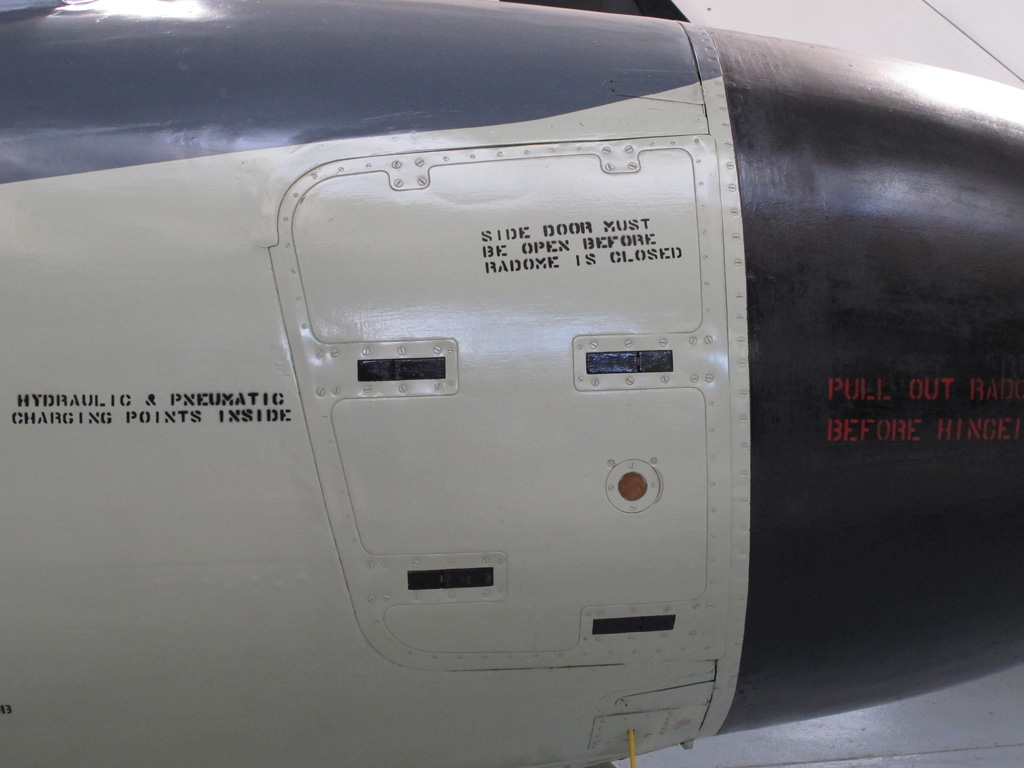
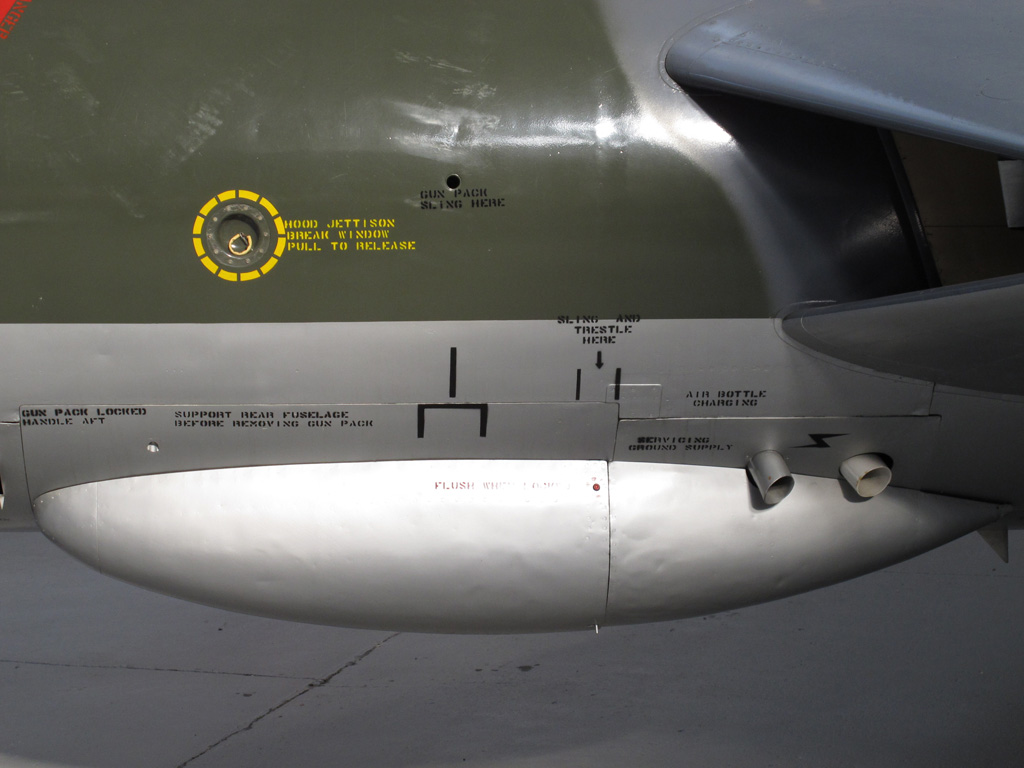
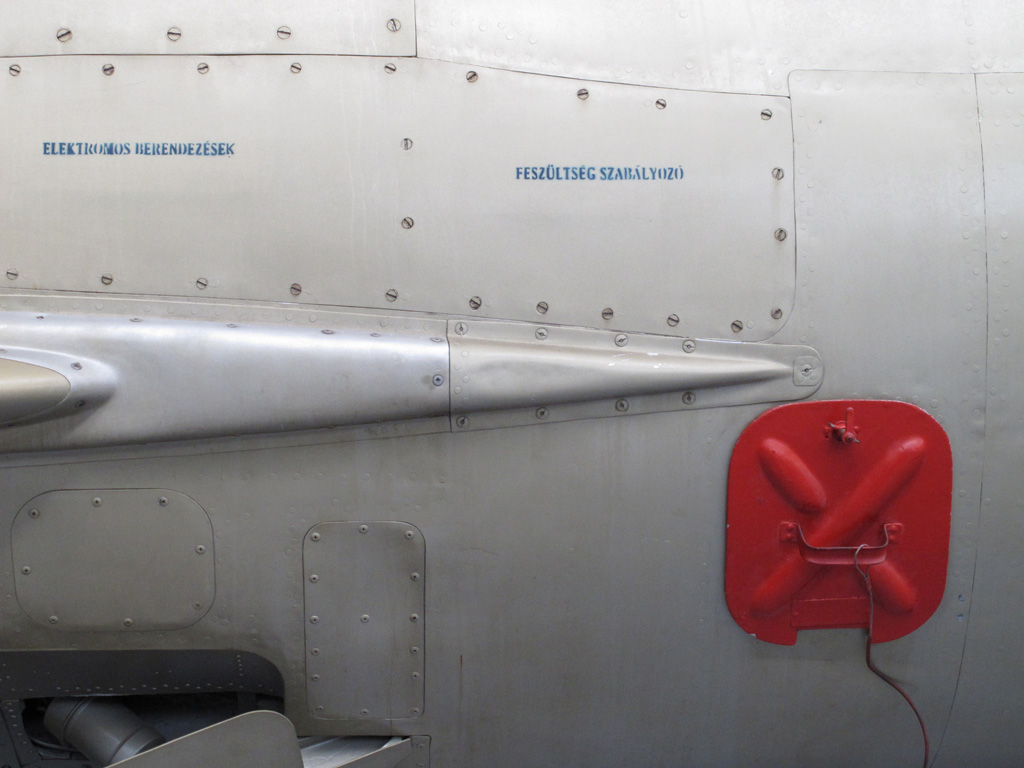
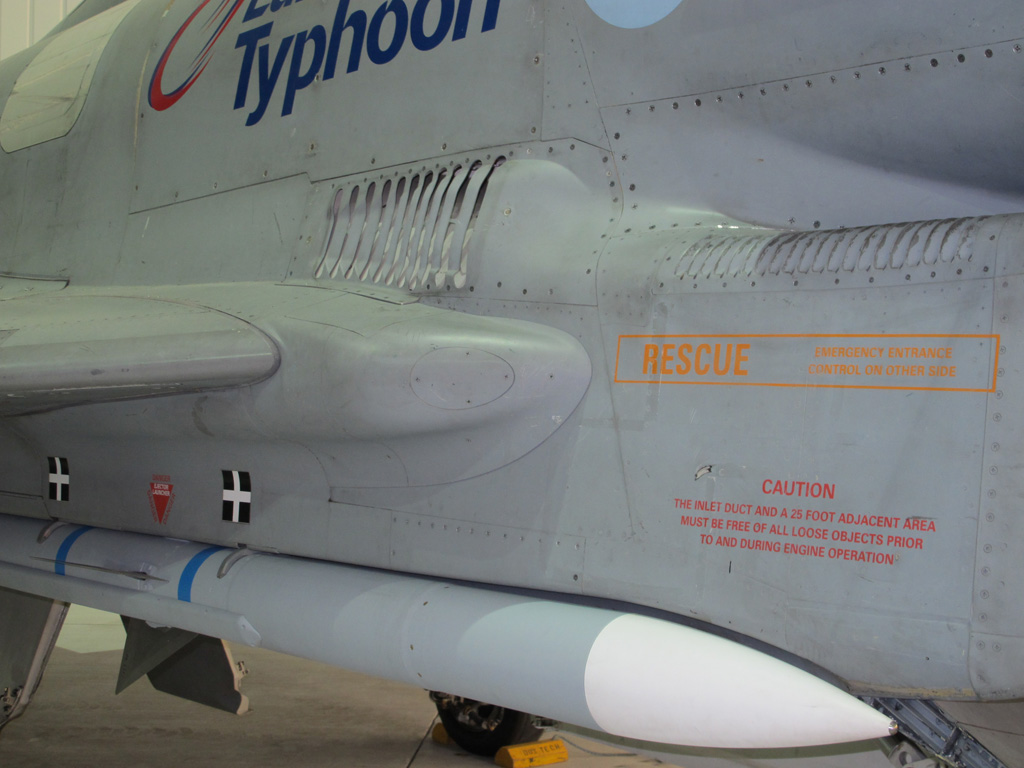
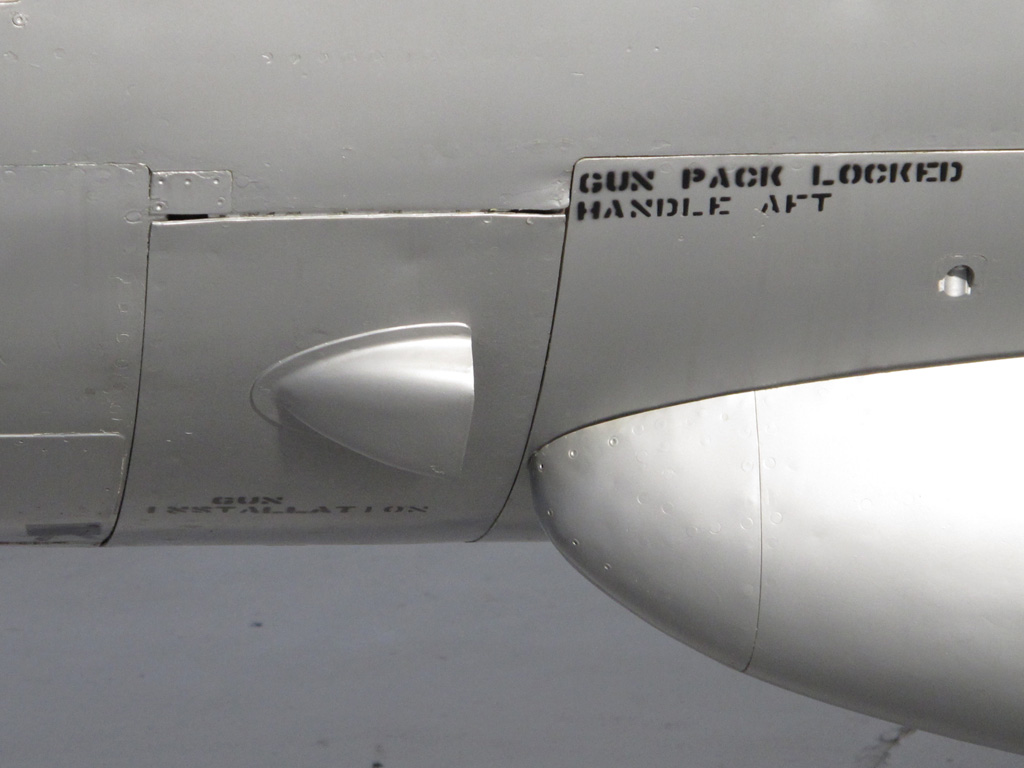
More written instructions on aeroplanes. Many are accompanied by sub-programs that cannot be accommodated by the general form of the fuselage and are contained in bumps or revealed by vents.

Written Instructions

Written Instructions

Written Instructions

Written Instructions


Hinge

An assortment of wing hinges on carrier aeroplanes, (so as to store them closer together and keep lift dimensions from getting too large). From the simple fold above to some single pivot inclined hinges that sweep the wing close to the ground and then to line up alongside the fuselage as a near vertical plane. In each case the folded wing reveals its intricate section.

Aeroplane Hinge

Aeroplane Hinge

Aeroplane Hinge

Aeroplane Hinges

Aeroplane Hinges

Aeroplane Hinges


Stereo Stereo

I am showing this rather elegant gramaphone from the Musée des Arts et Métiers as a rather weak link to the otherwise unconnected Cabosanroque website

cabosanroque.com

also in the links on the right.  I had an email form Roger Aixut who some of you might remember from London in the late nineties. With his colleagues in the group they build and perform with these inventive instruments. Check them out.

Registration

This plaster bust is part of a didactic display at the Musée d’Orsay in Paris explaining the process of translating a clay sculpture into the final material (marble, for instance), with the plaster shown here as an intermediate step.

The graphite registrations reveal moments in the surface that are valued by the sculptor as reference for the finished piece. In Canova’s plasters he inserts small metal pegs to perform the same role. While some of the registrations mark extremities, many are chosen more critically to reveal a particular sensibility of surface.

Registration

Mosquito

A detail of a large scale model of a mosquito at the American Museum of Natural History in New York. It is the only one on show, but I understand it was part of a series showing the insect’s development. The model is beautifully made, with a visceral quality that escapes most architectural models.


Another item from the Musée des Arts et Métiers in Paris, a cabinet of geometric measures.

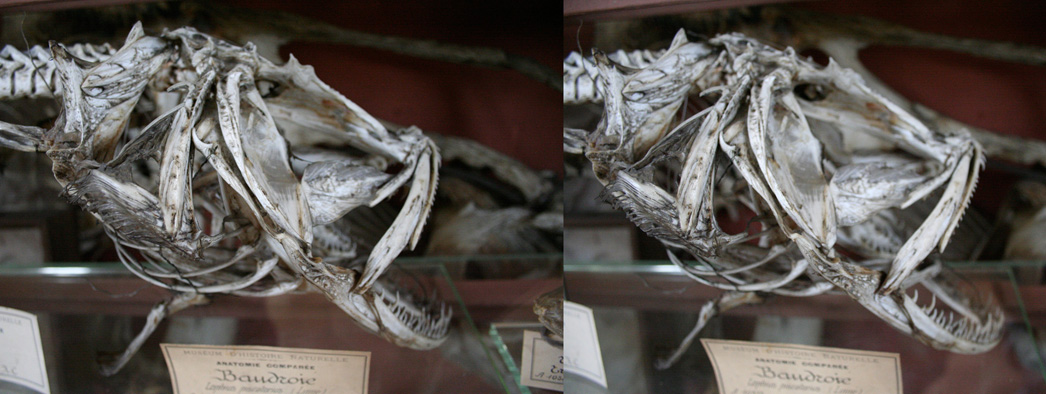
If you are unused to going cross-eyed to resolve stereo images you might find this one causes a little eye strain, but it works well when you resolve it.


London Coliseum Loading Door

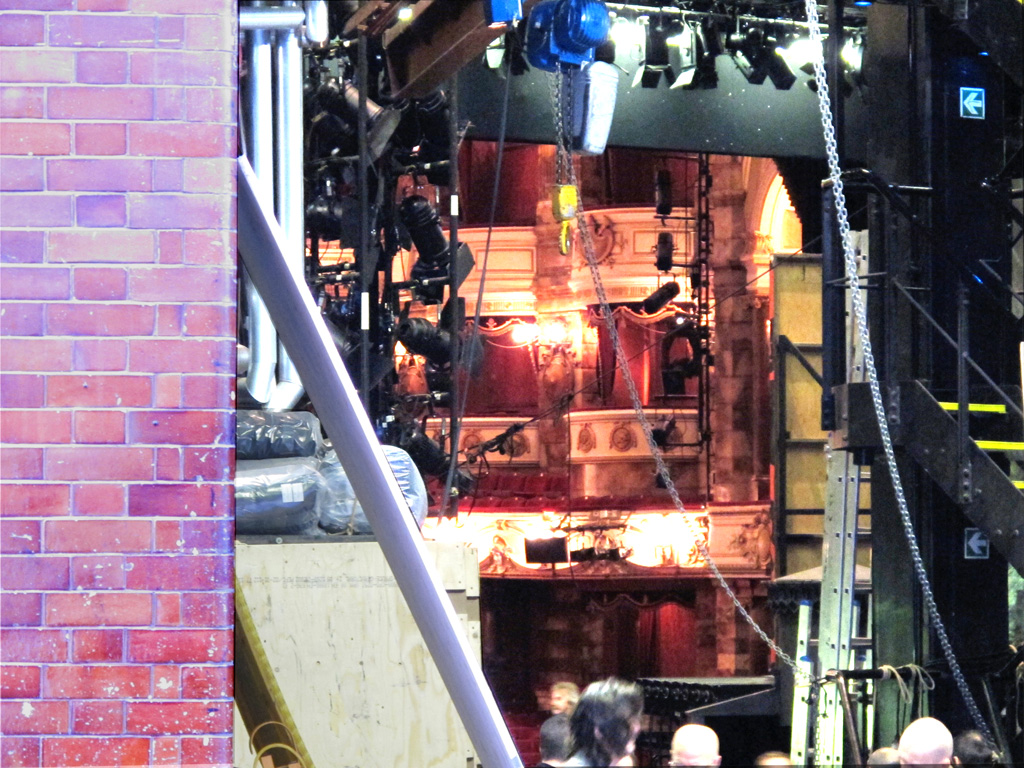
Following the theatrical theme from the previous post, here are a couple of pictures taken in Bedfordbury, behind St. Martins Lane, of the stage door to the English National Opera at the London Coliseum. As with a number of London theatres the tightness of the site means that loading bays for scenery reveal the stage directly to the street, circumnavigating the elaborate and extended progression the audience normally encounters on their way to the auditorium. The tall thin doors of the Cambridge Theatre provide a similarly abrupt connection, as did the old arrangement at the Royal Opera House. It is always a great pleasure to find one of these doors open.

London Coliseum Loading Door