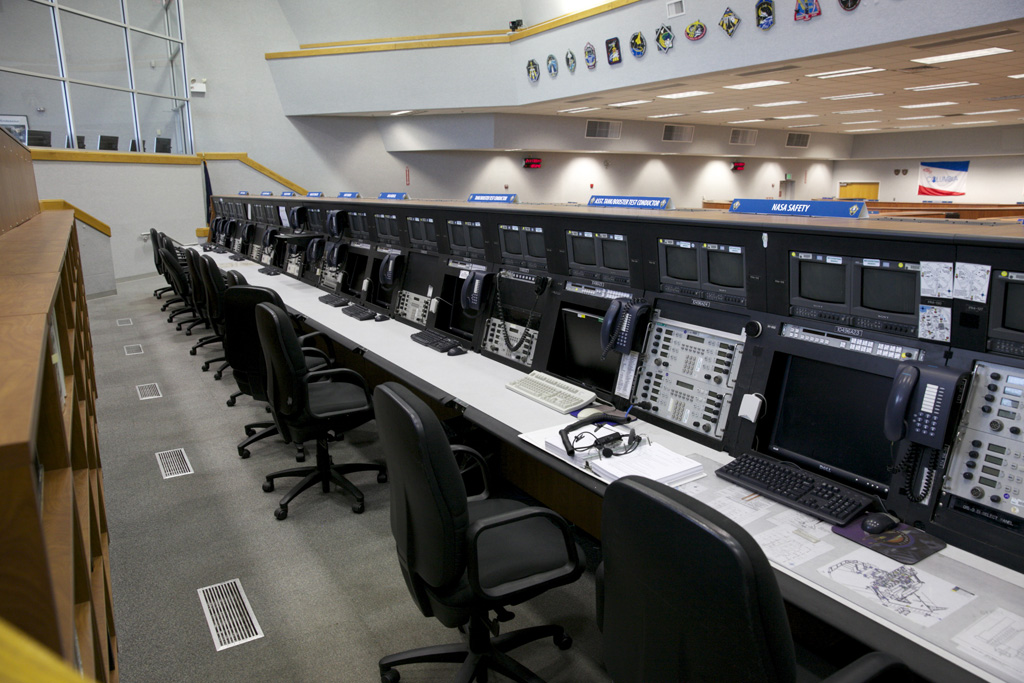
Launch Control
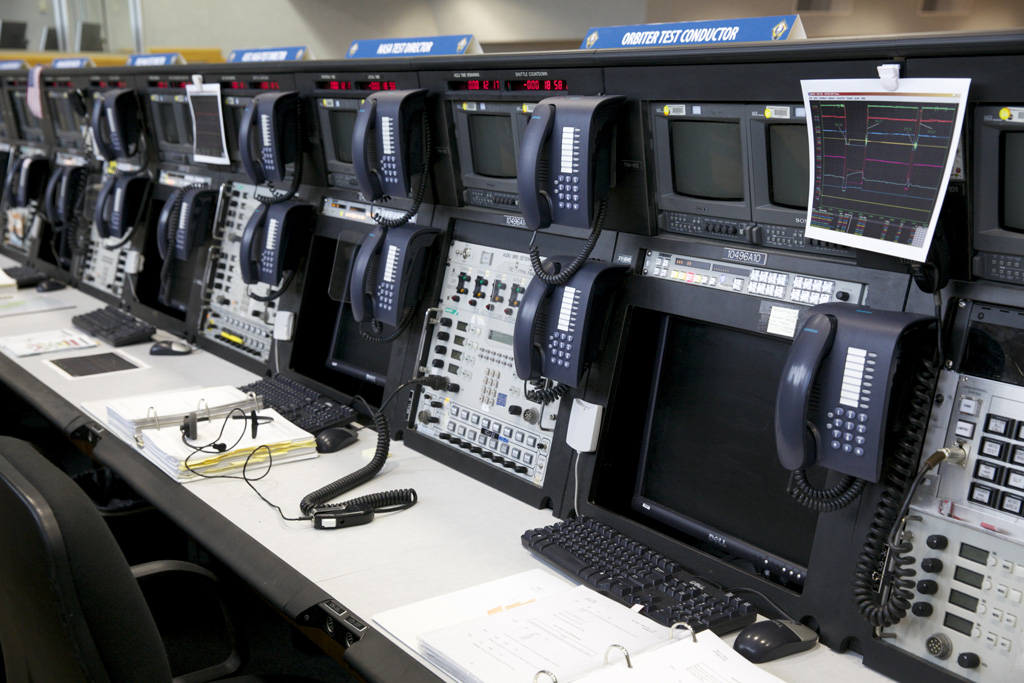
Launch Control
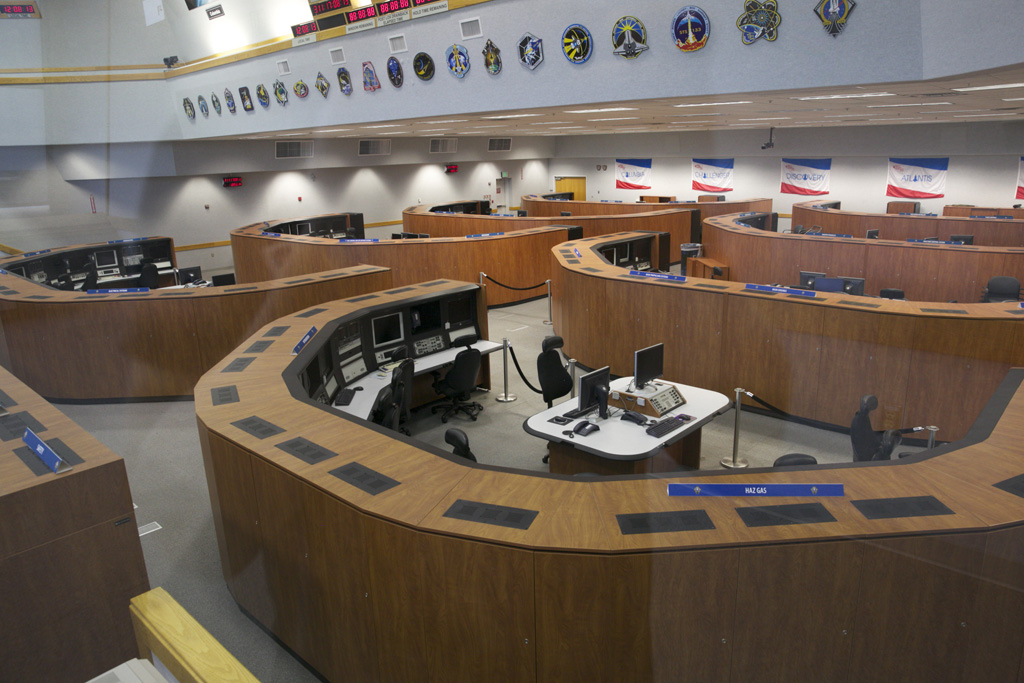
Launch Control
Launch Control
Launch Control
Launch Control

Launch Control

Launch Complex 34

Launch Complex 34

Launch Complex 34
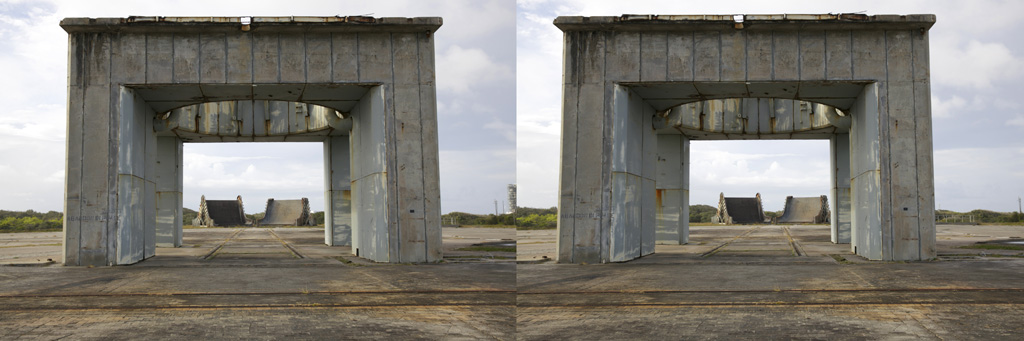
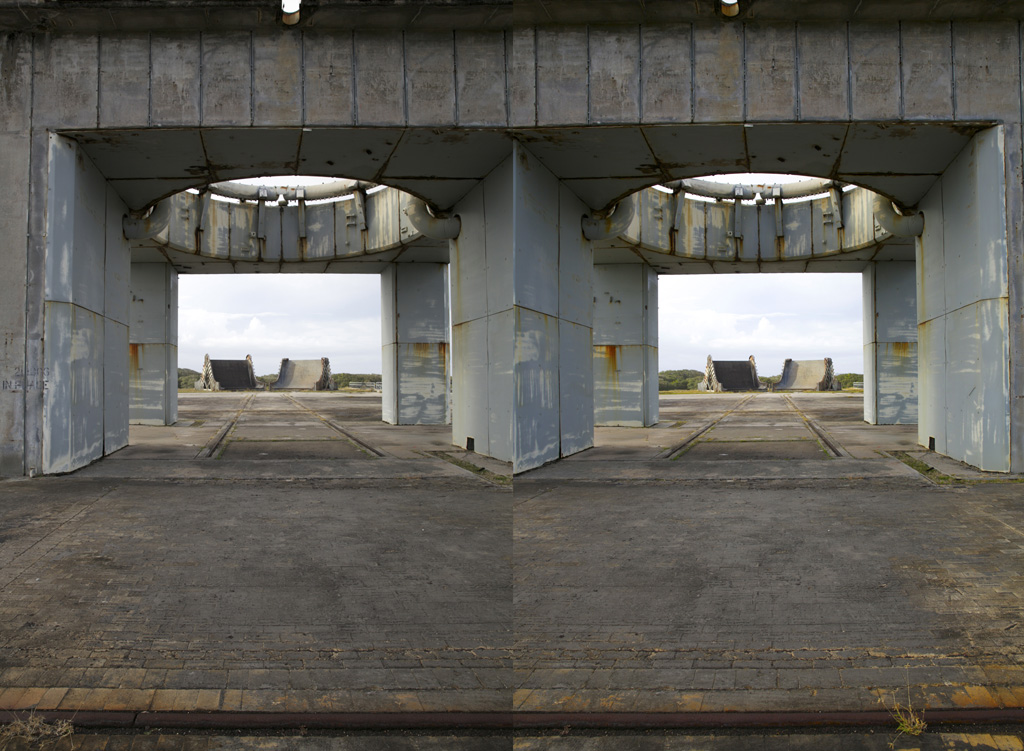
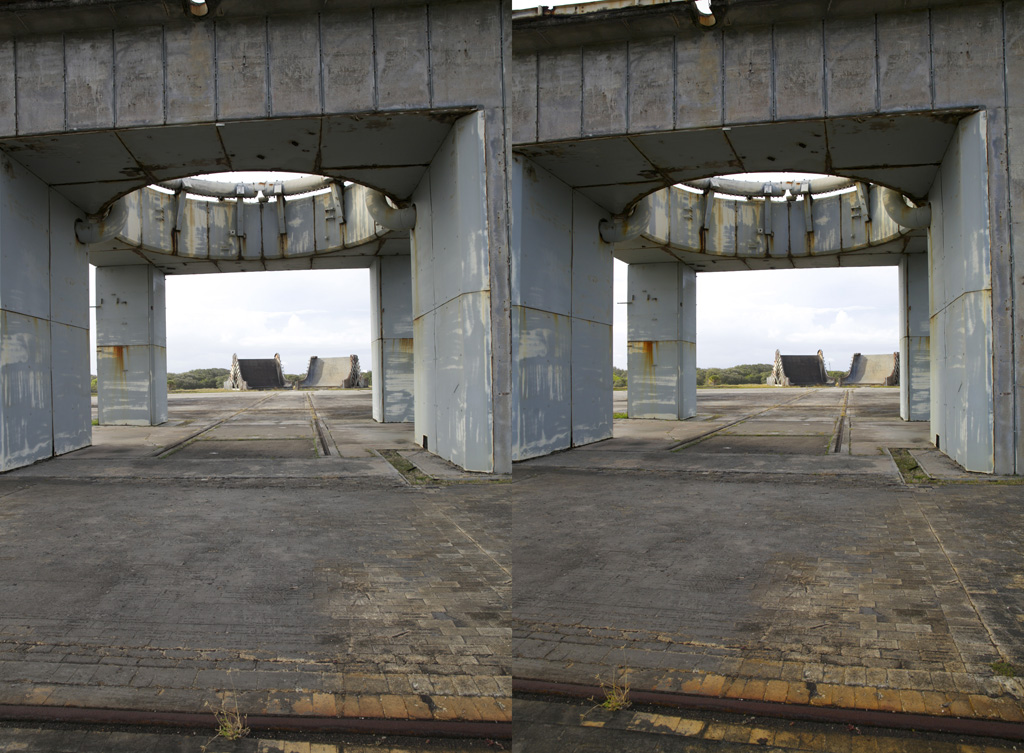
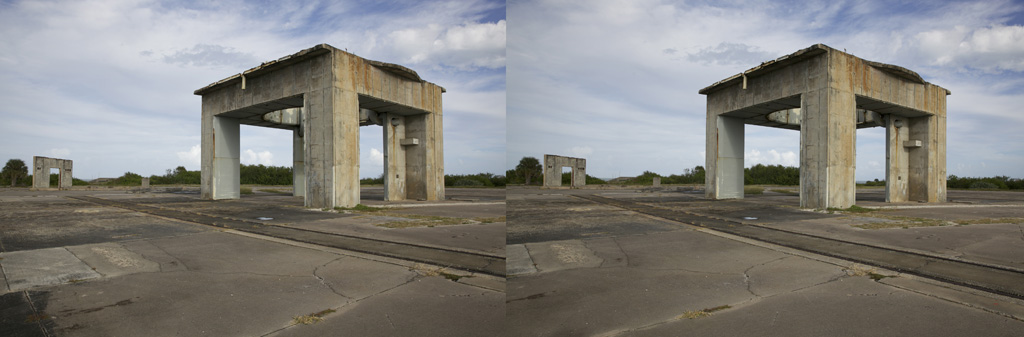
It was an aerial photograph of Launch Complex 34 (in the book Dead Tech) that first persuaded me to visit Cape Canaveral in the mid ’90’s. It is the site of the ill fated test that led to the death of three astronauts (I will post some pictures of the astronauts’ memorial soon). From the air it could almost be a prehistoric site, and the combination of the compressed archeology (of space travel) and the promise of future adventures is one of the things that makes Cape Canaveral so compelling.
Launch Complex 34
Launch Complex 34
Launch Complex 34
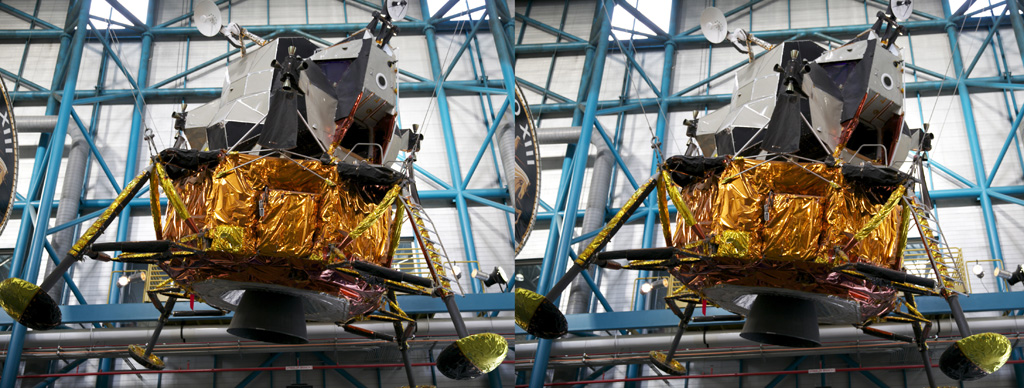
As usual, to resolve the stereoscopic images, go cross eyed so that you register identical elements over each other form both images. You will then see three images – concentrate on the middle one. If you are having difficulty doing this, make the image smaller, and move your head from side to side slightly to register the two horizons over each other. When you have the 3d image, try to relax and the view will develop its depth.
15
14
13
12
11
10
9
8
7
6
5
4
3
2
1
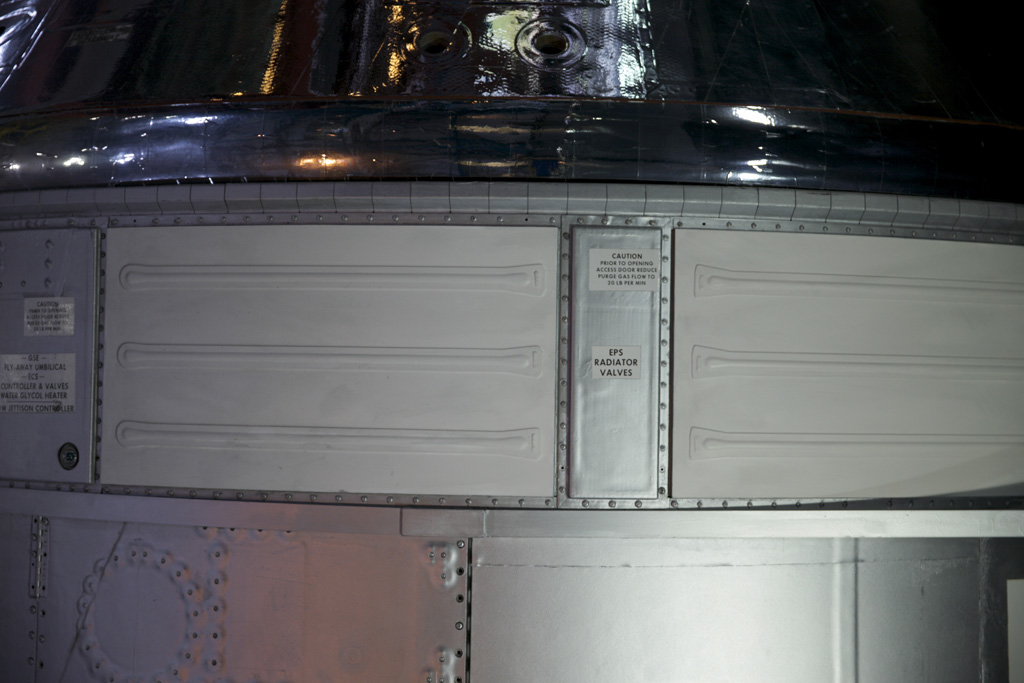
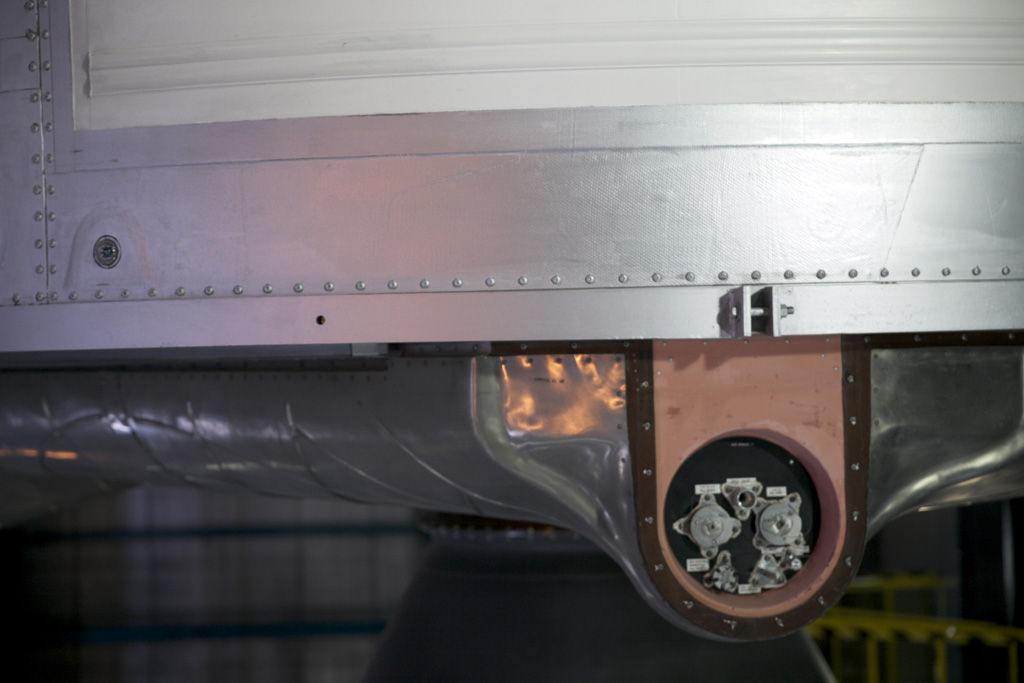
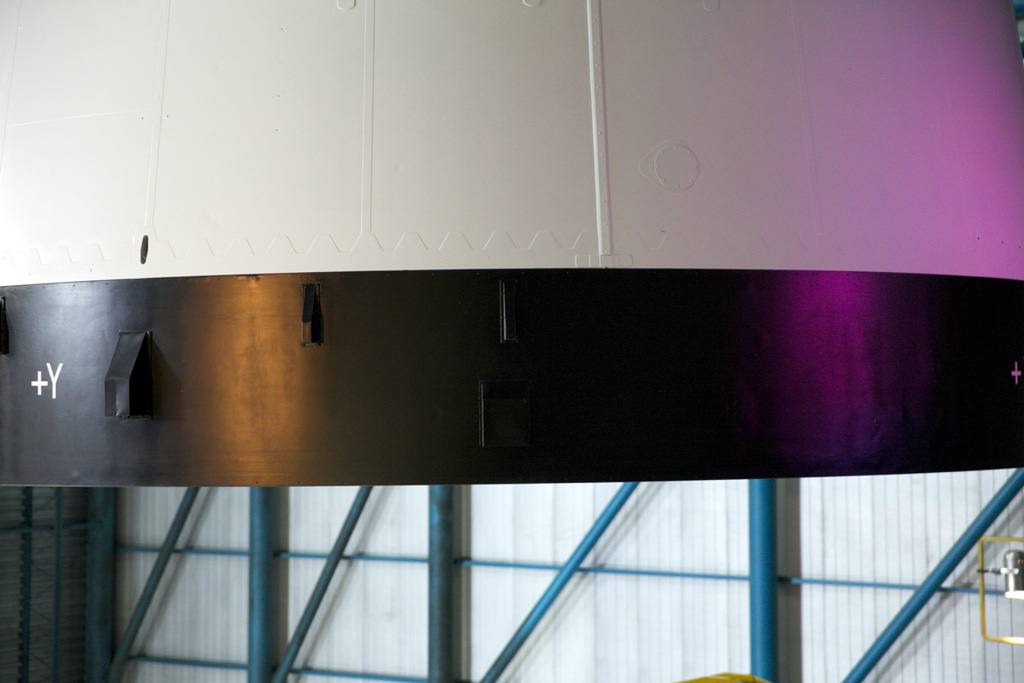
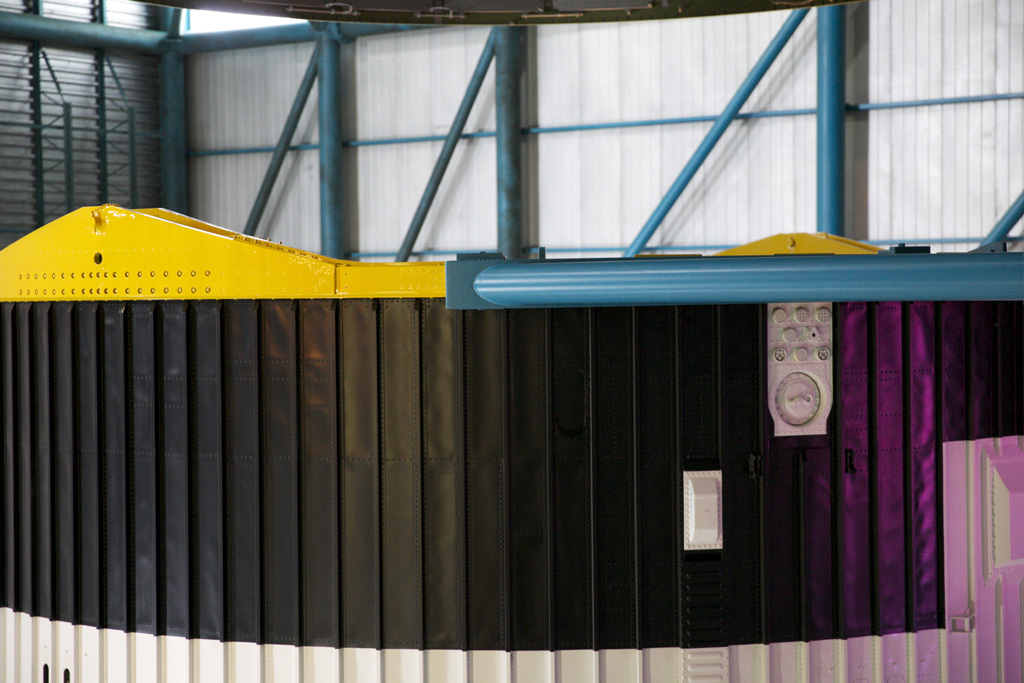
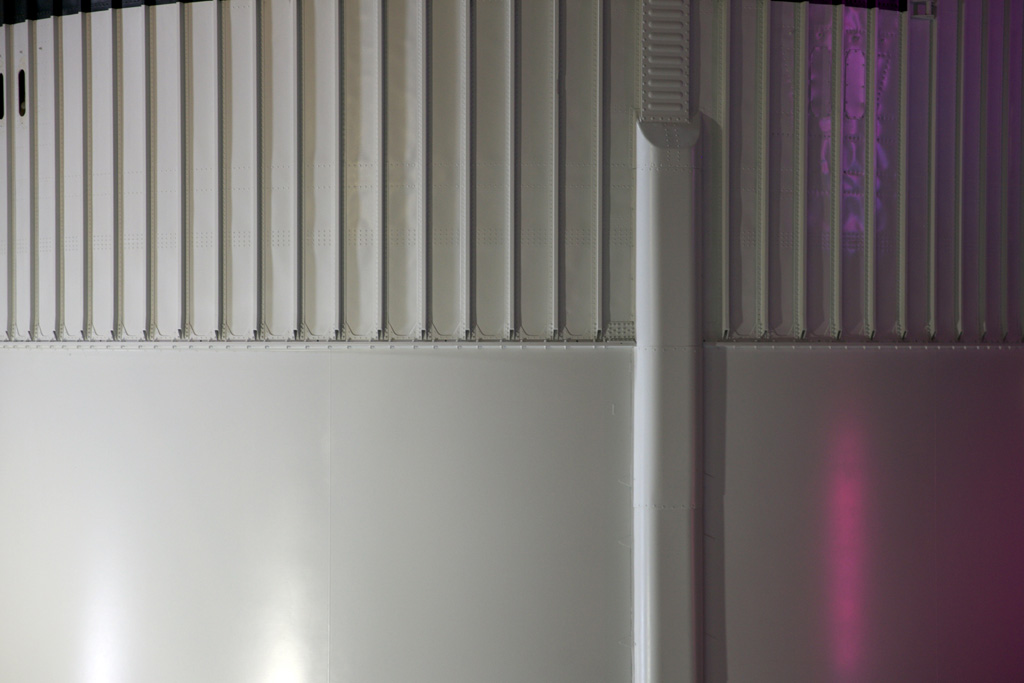
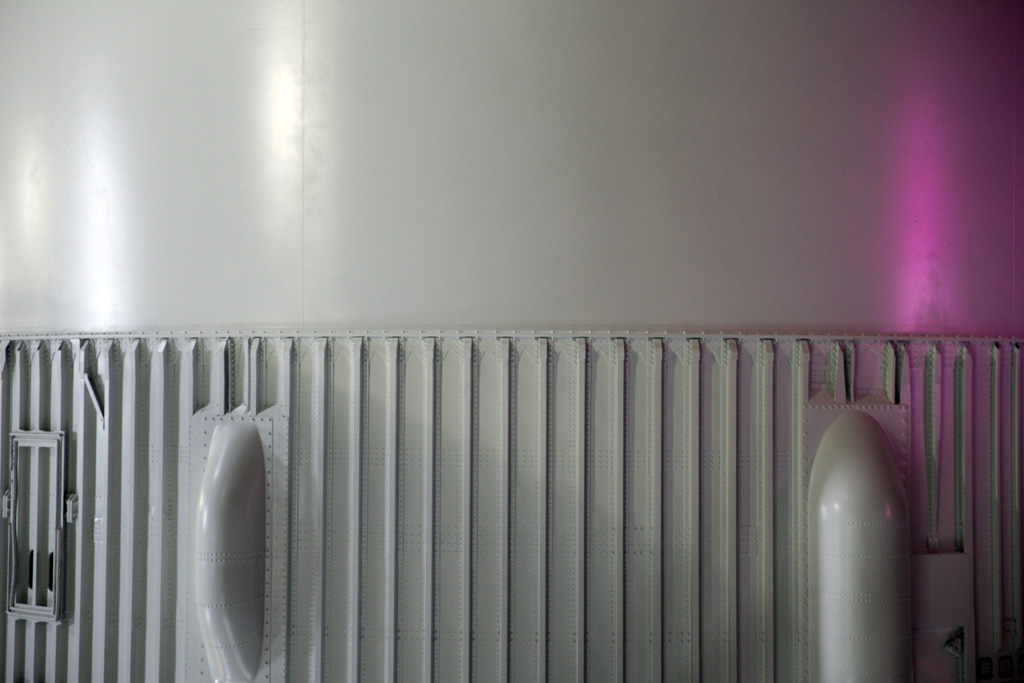
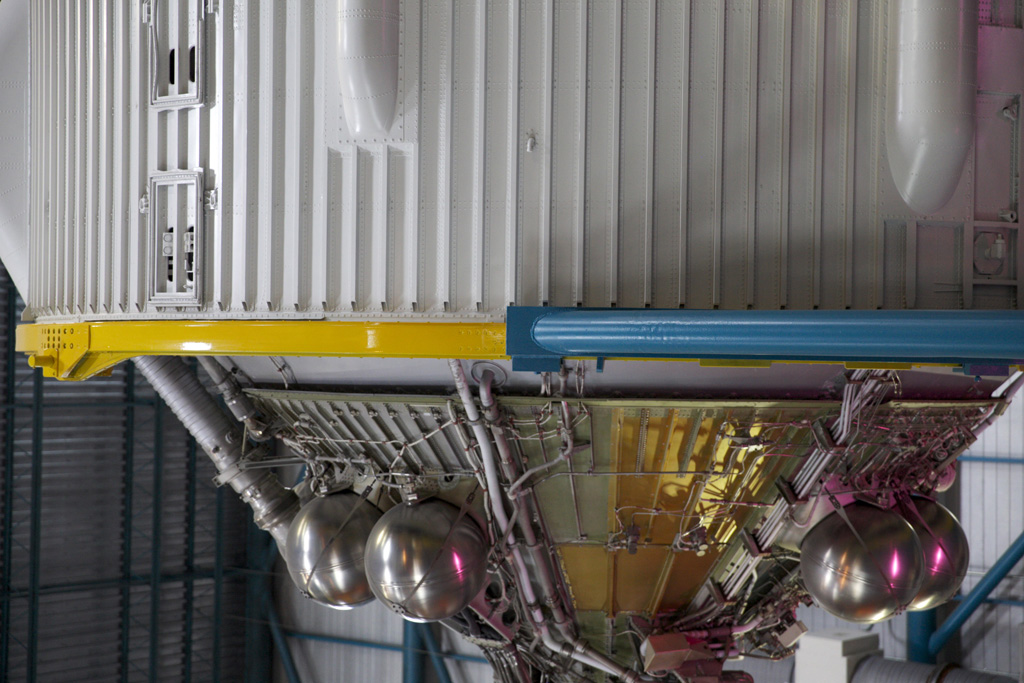
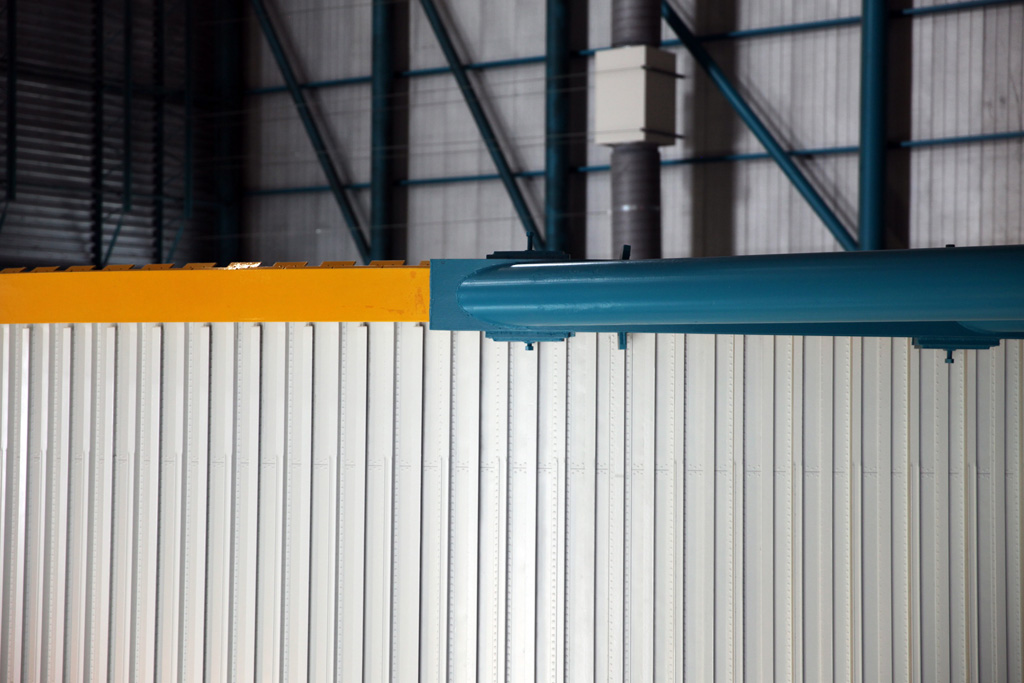
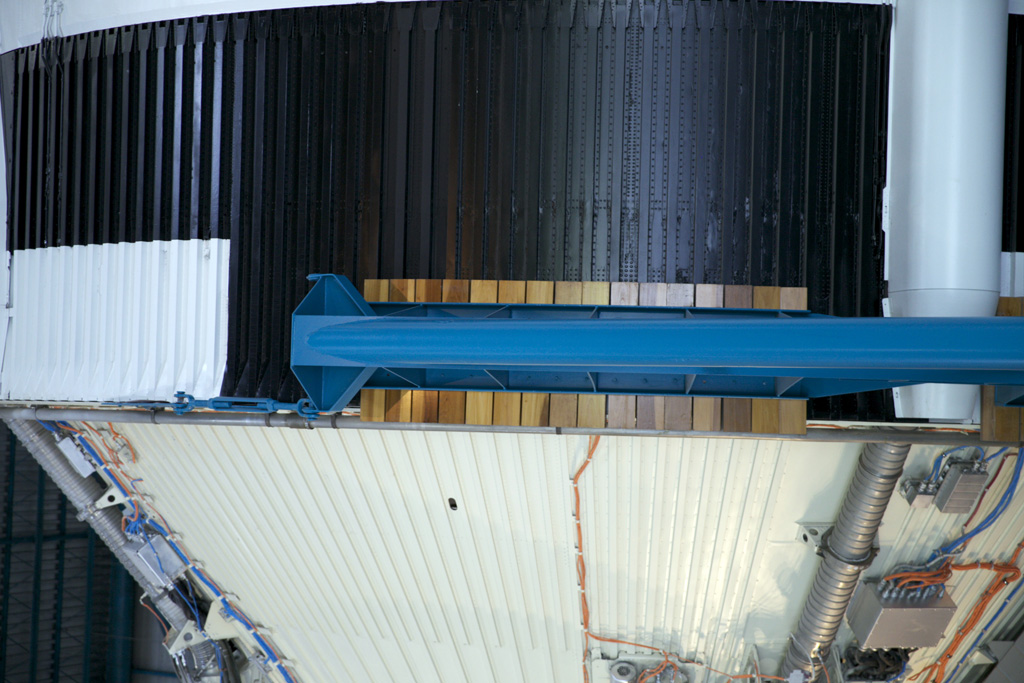
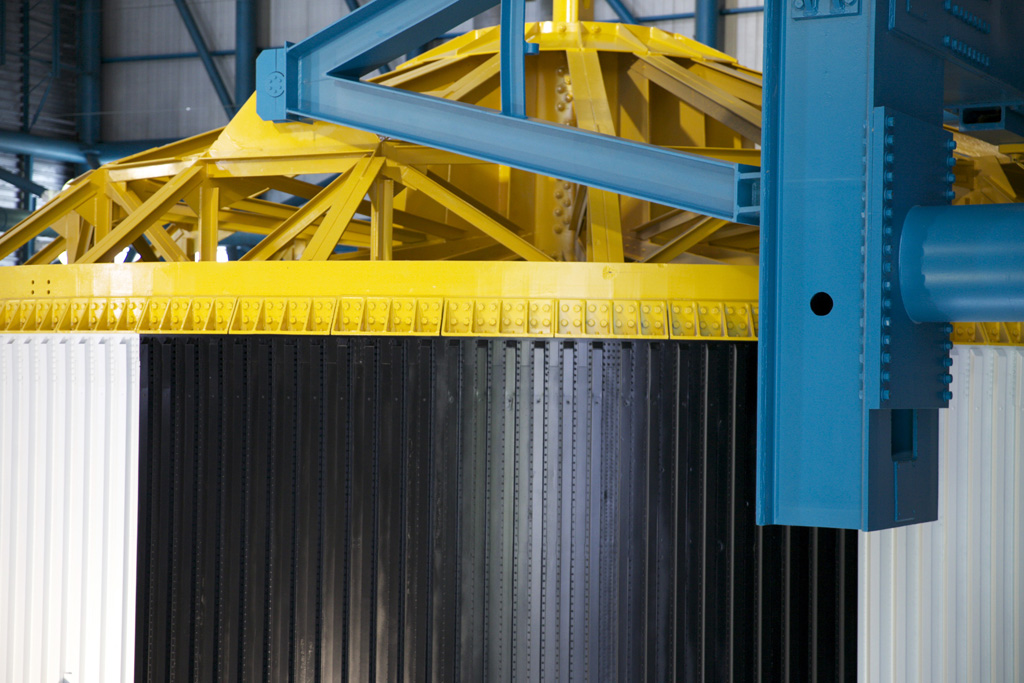
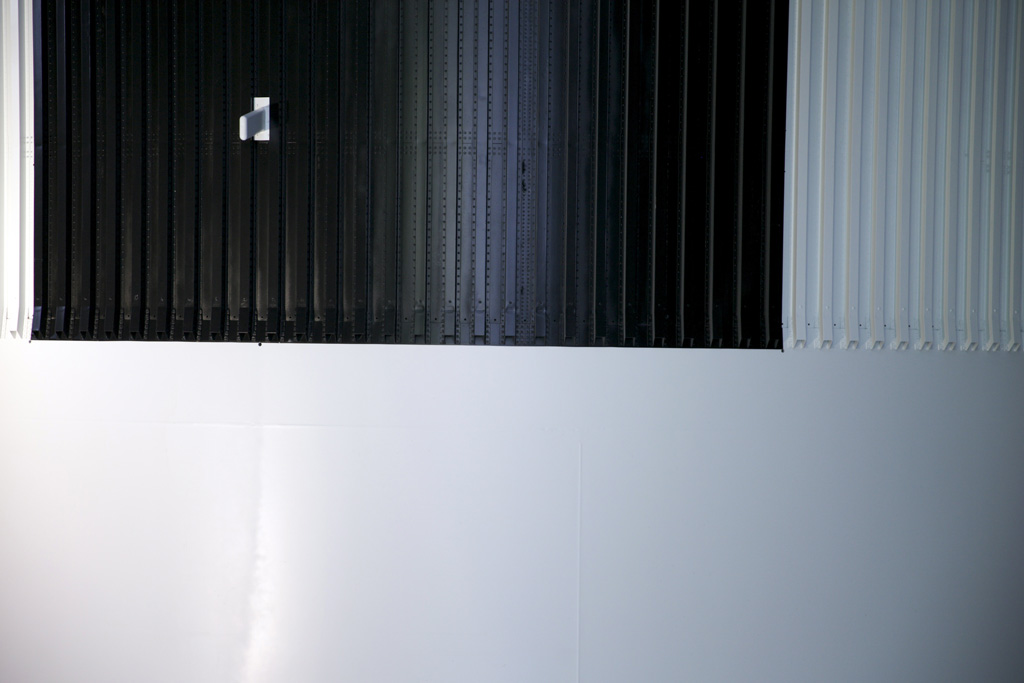
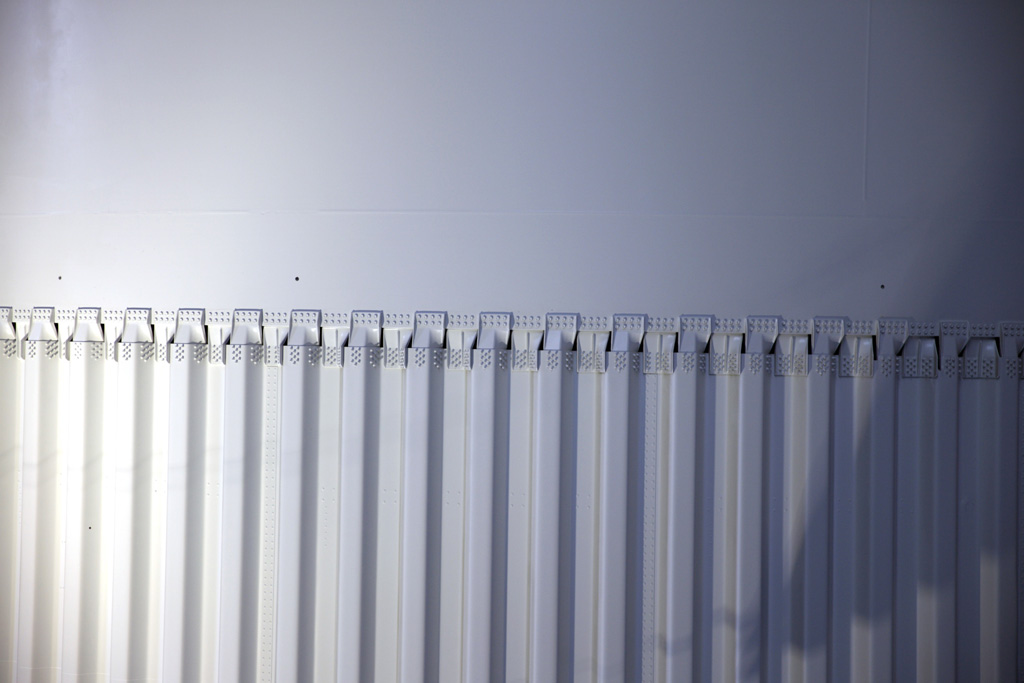
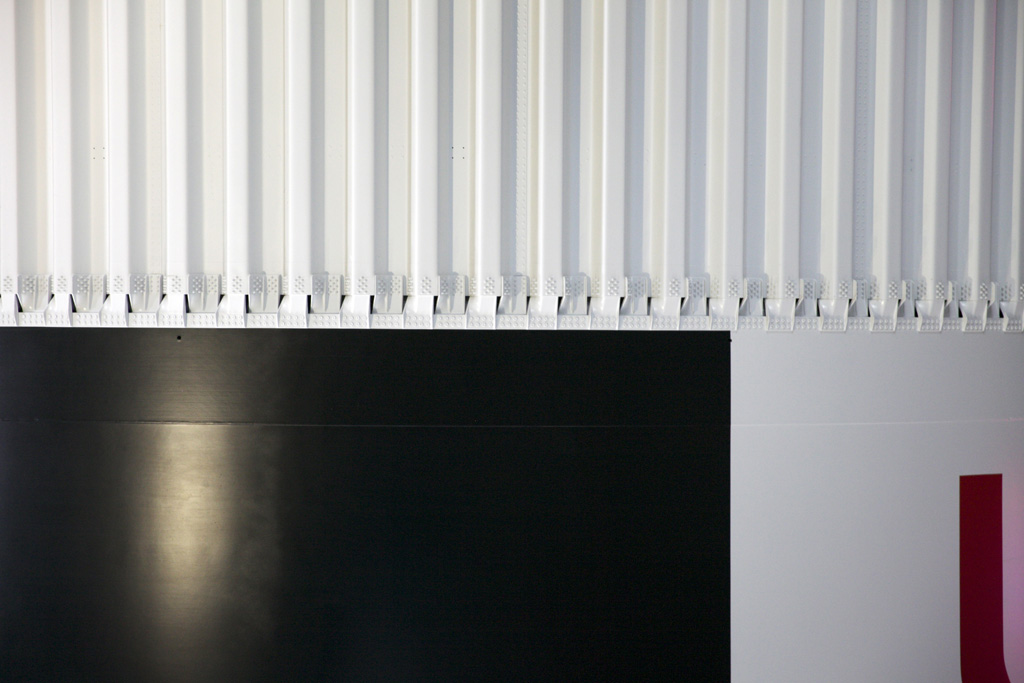
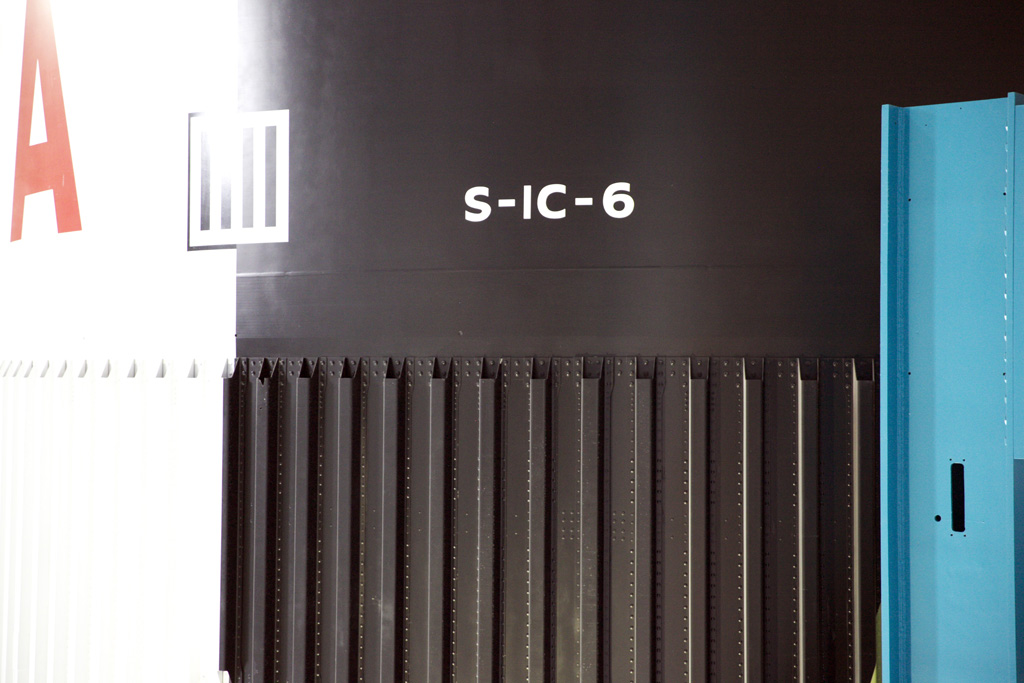
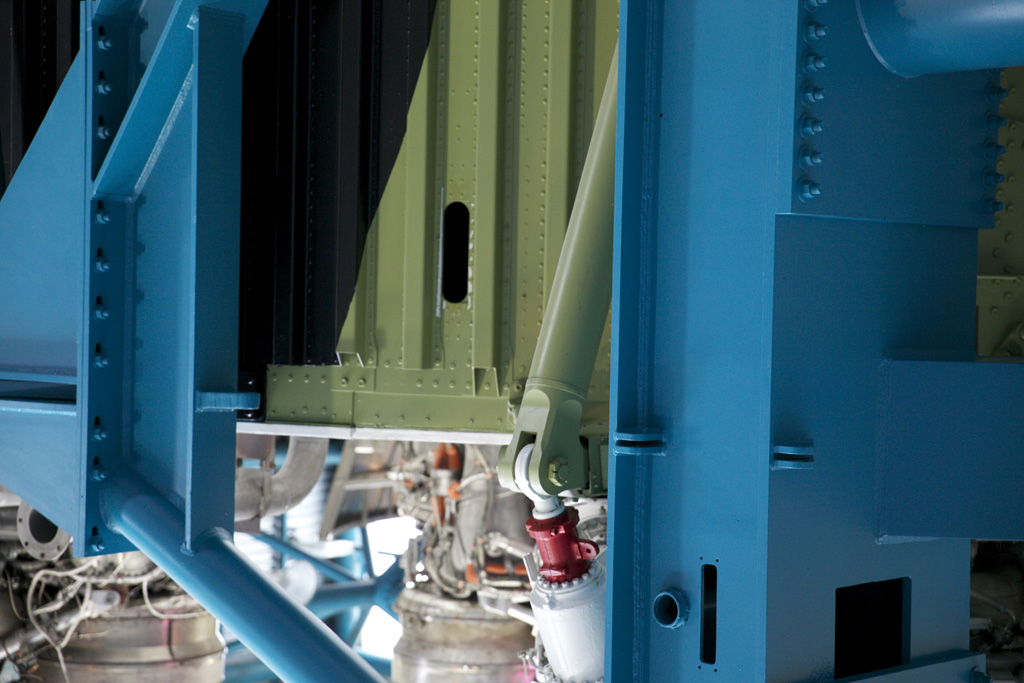
Working up from the bottom, here are the seams between the smooth stressed skin and the reinforced sections of the Saturn Five Rocket. It is displayed horizontally at Cape Canaveral but is shown here vertically to allow the sequence of pieces to make sense, so the context might look a little strange. More to follow.

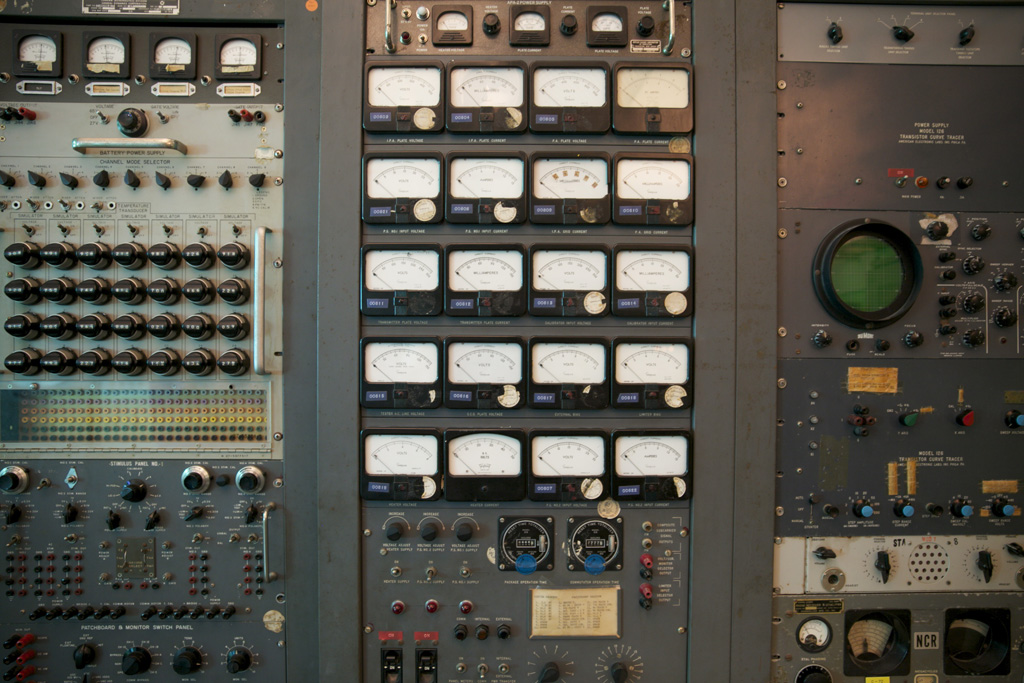
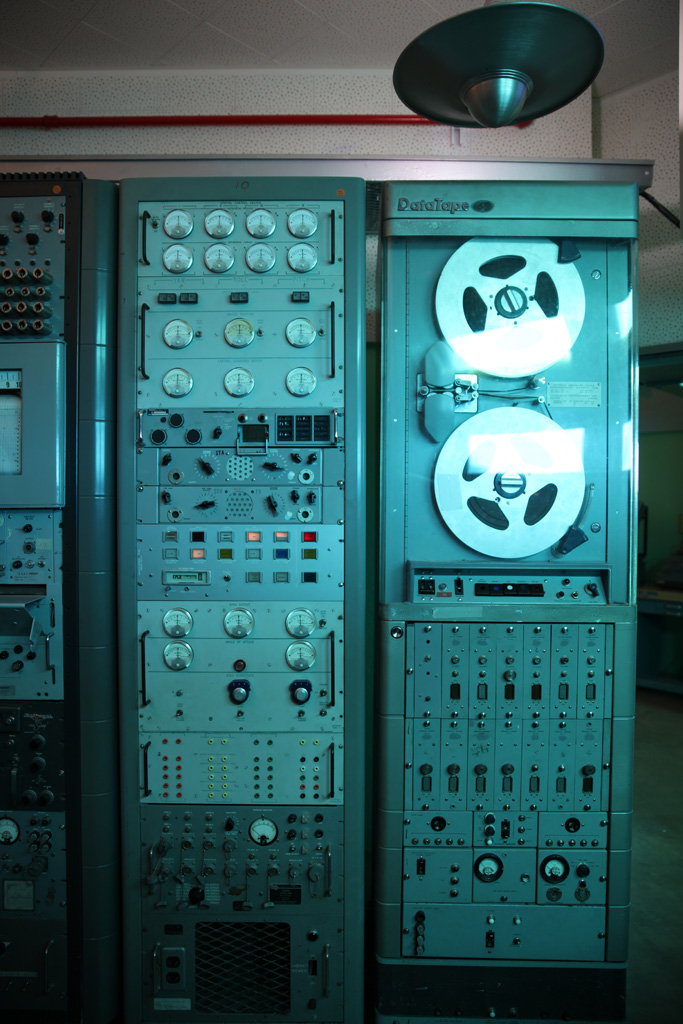
Gemini Control Panels
Racks of control panels for the Gemini program in one of the launch block houses at Cape Canaveral.
Gemini Control Panels
Gemini Control Panels

Clocks, Gemini Launch Site
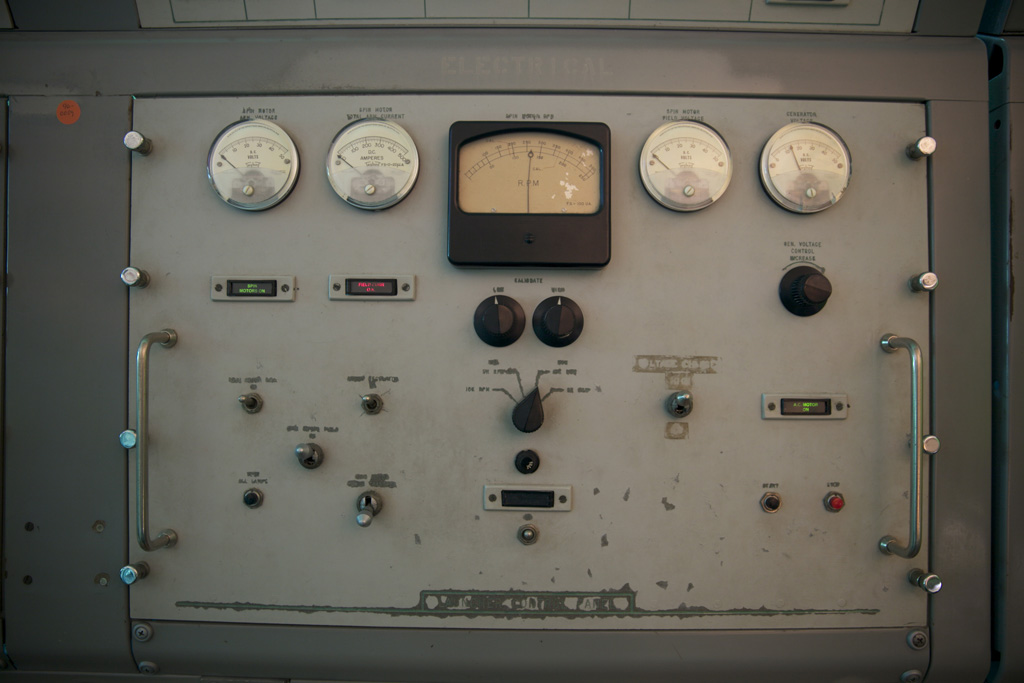
Gemini Control Panels
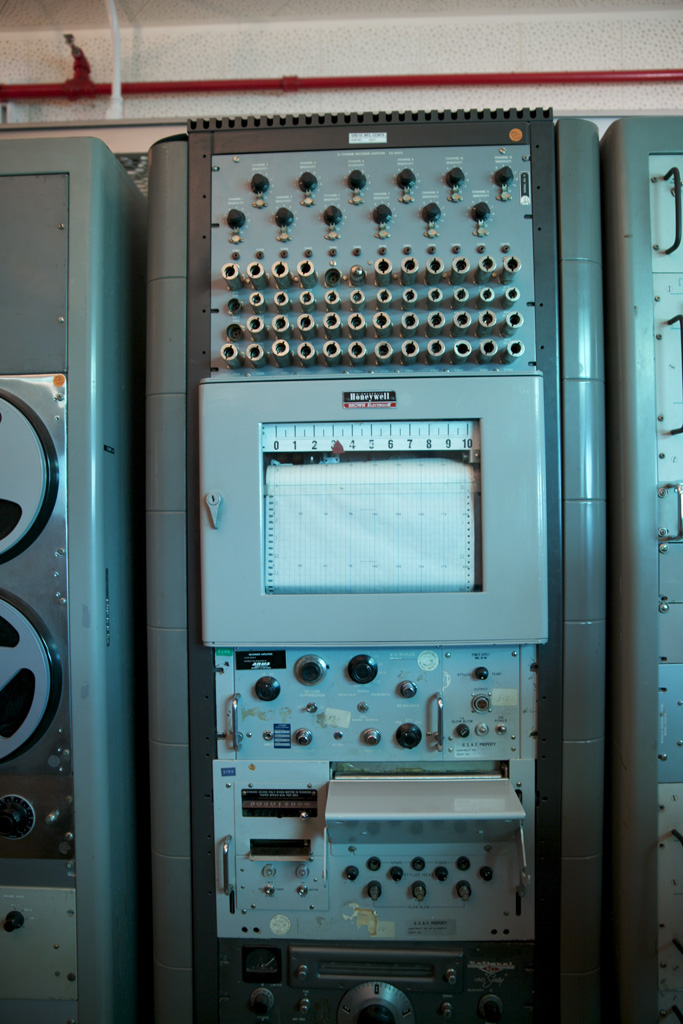
Gemini Control Panels

Gemini Control Panels
Lunar Module
Another stereoscopic view of the Lunar Module on show at Cape Canaveral. The stereoscopy helps lift it our of the noisy distracting background. I will post a bunch more things from Cape Canaveral this week – after the first trip we took a second round some of the older launch sites.
William H.Danforth Chapel
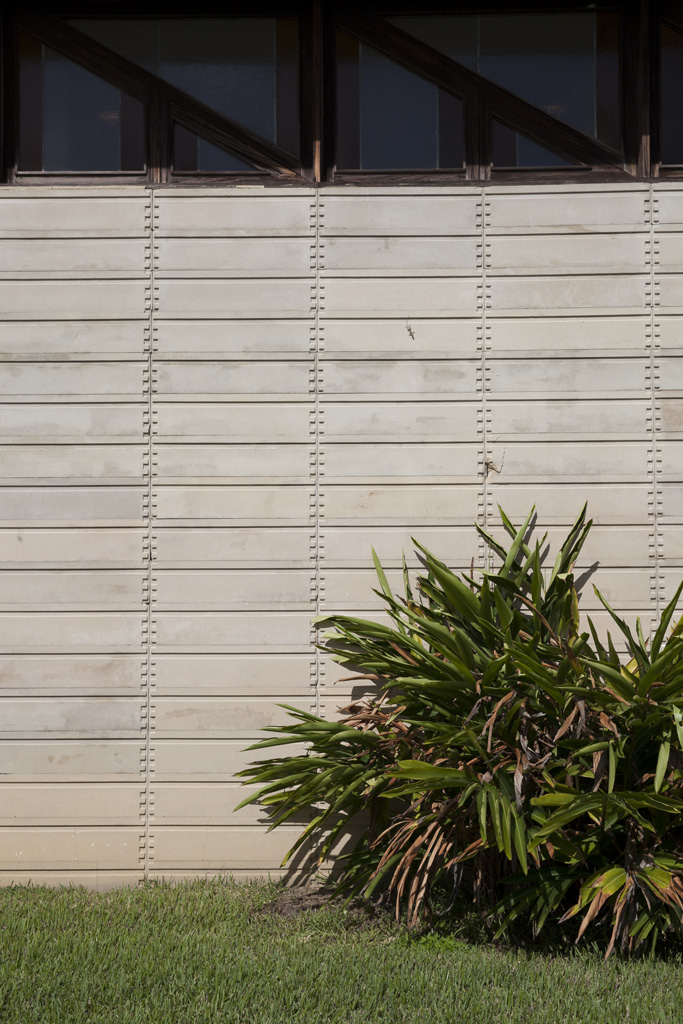
A few more details of the Frank Lloyd Wright blocks at the Southern Florida College, Lakeland. The William H.Danforth Chapel has simpler blocks than in the adjacent Annie Pfeiffer Chapel shown in previous posts. There is the same stack bond and cavity wall but the surface elaborations are simpler. The Annie Pfeiffer Chapel blocks carry a figure that runs across pairs of blocks horizontally. In the William H.Danforth Chapel the horizontal joint is not where you might immediately expect, but sits just above the horizontal indent to form a subtle second subdivision, so the figure of the blocks is connected vertically. You can see this most clearly on the corner detail. It was completed in 1955.
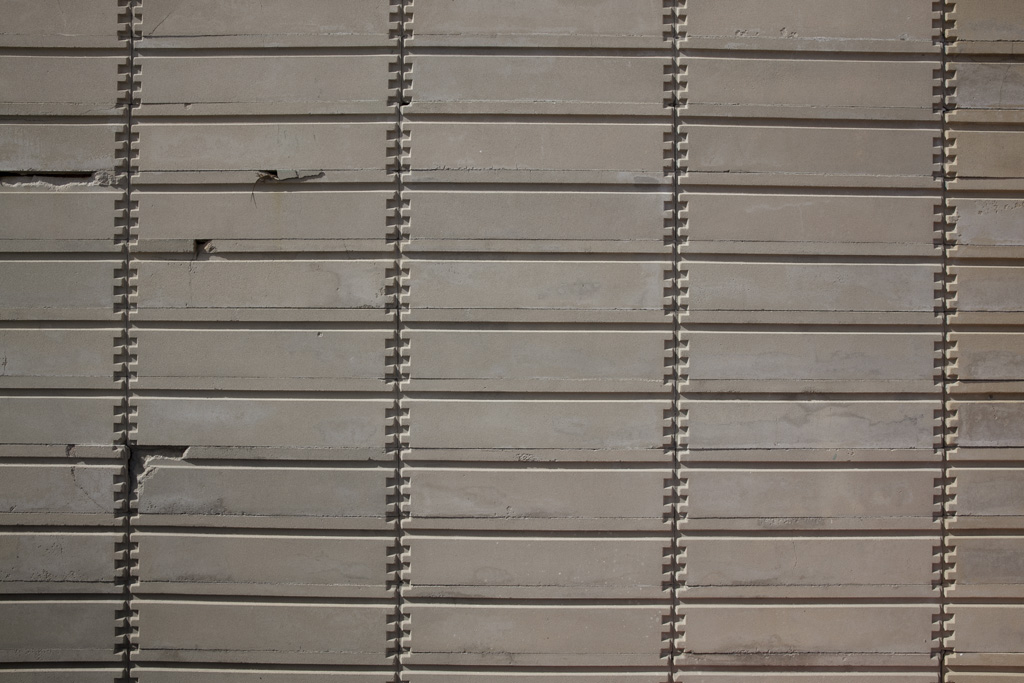
William H.Danforth Chapel
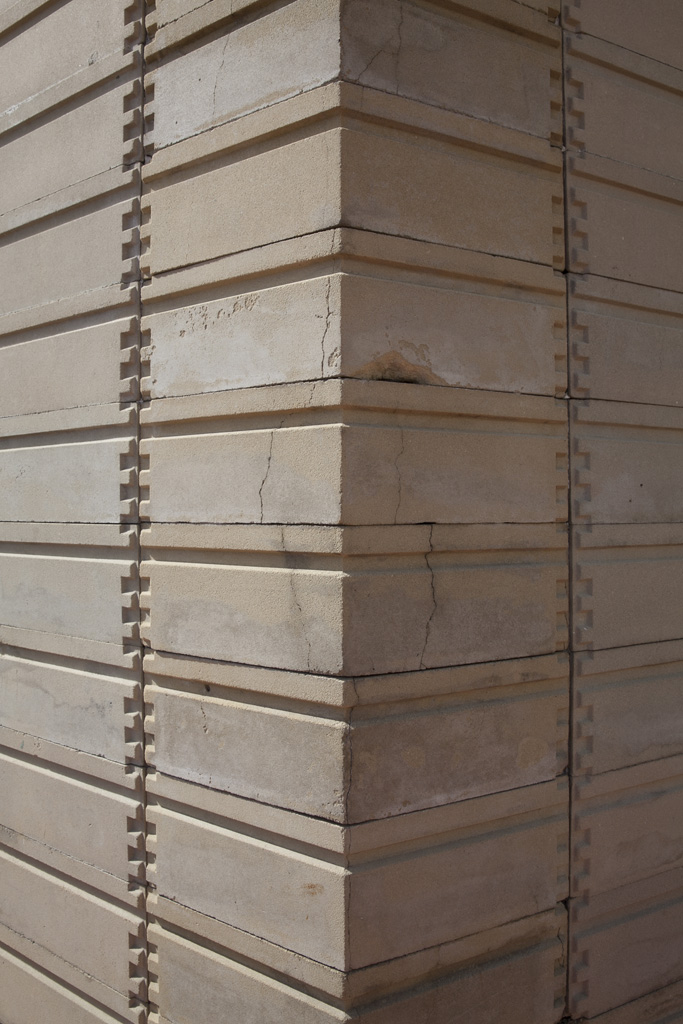
William H.Danforth Chapel
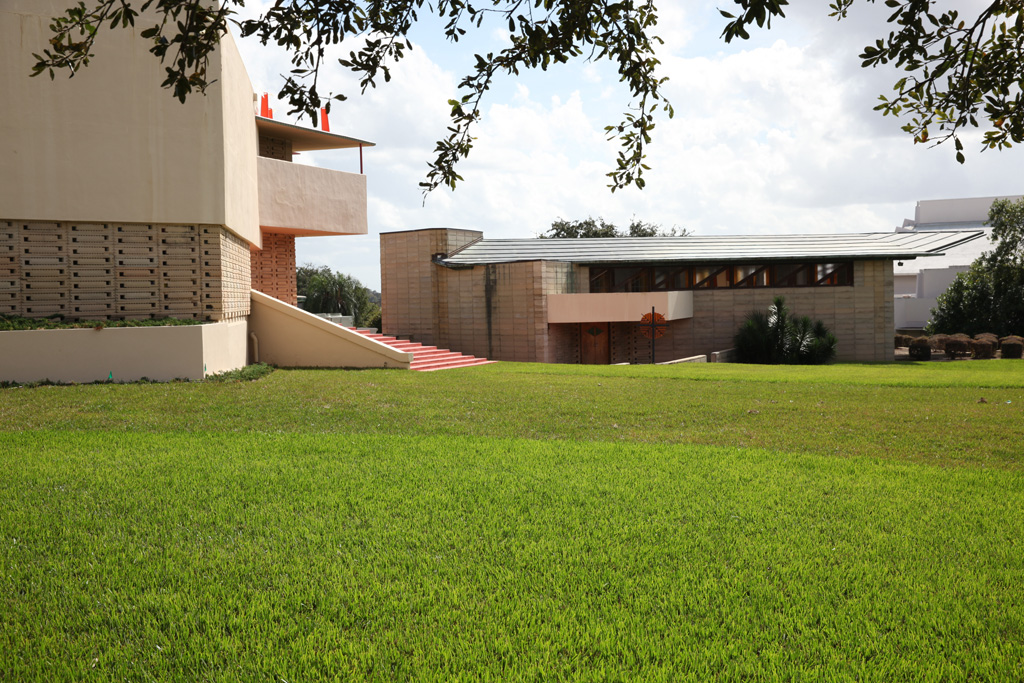
William H.Danforth Chapel
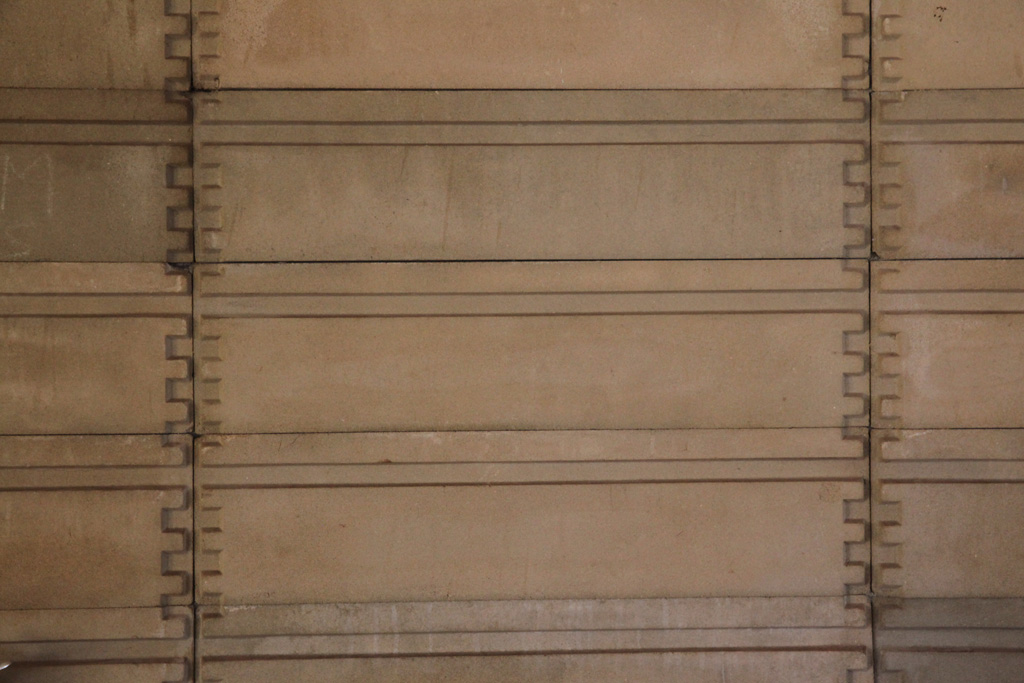
William H.Danforth Chapel
Above: the Annie Pfeiffer Chapel is to the left with the William H.Danforth Chapel behind it
 Nat Chard