Bombardier

Bombardier

Bombardier

Bombardier

Bombardier
Bombardier
Bombardier

Bombardier

Bombardier

Bombardier

Bombardier
Bombardier

IMG_1574 IMG_1581 IMG_1582 IMG_1583 IMG_1585 IMG_1590 IMG_1591

Bombardier

Bombardier

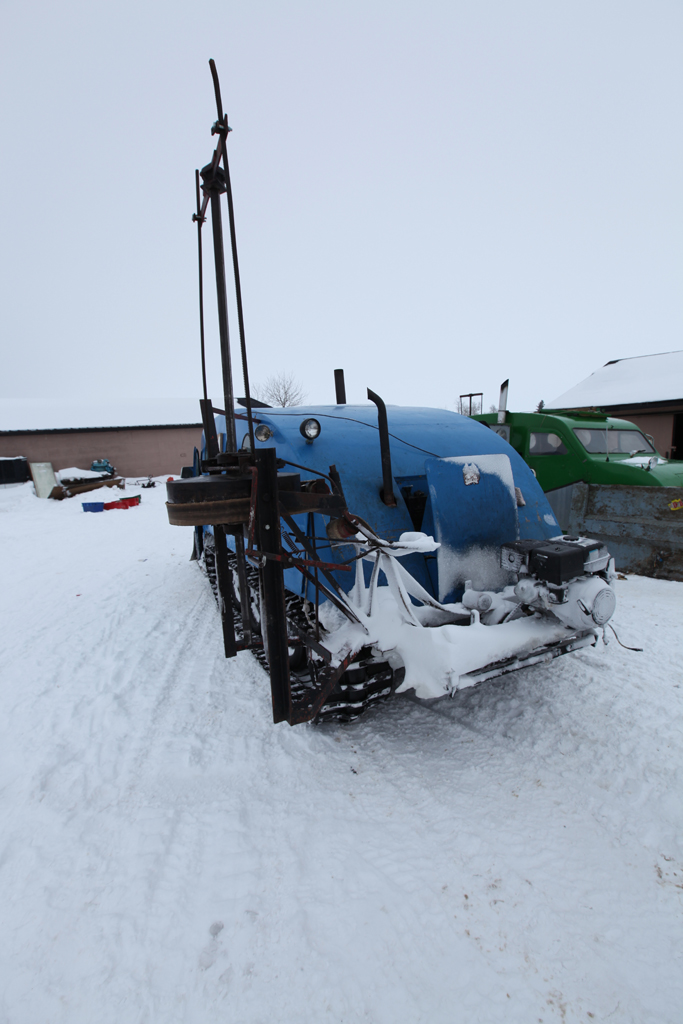
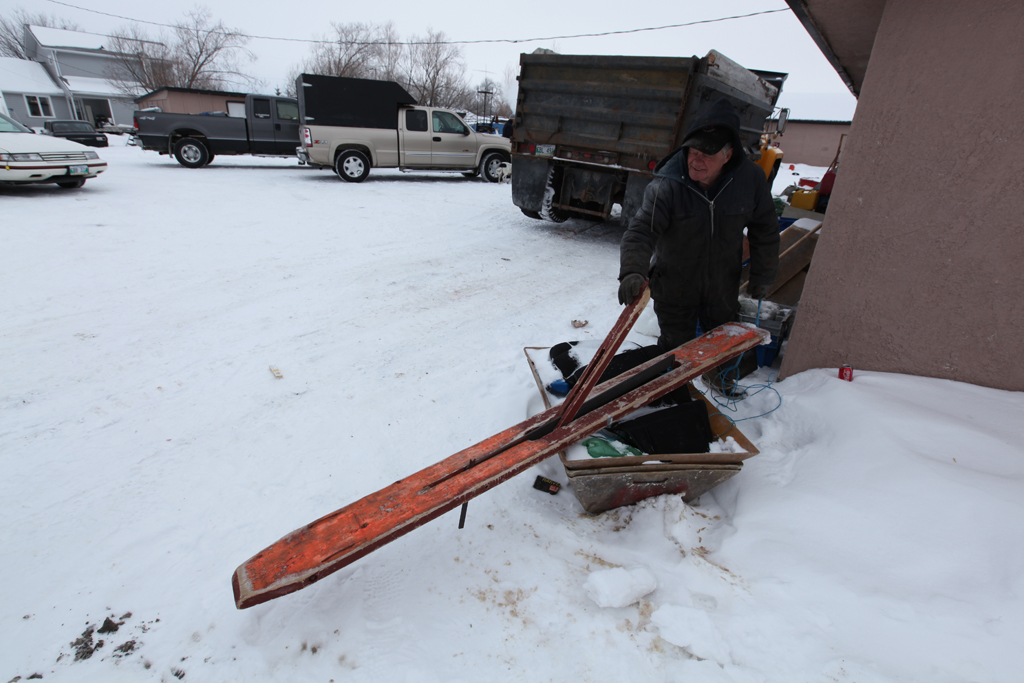
A few more images of Bombardiers from a different visit to the one I showed before. The improbable manually operated submarine to carry a line under the ice (that I mentioned a couple of posts back) is seen being demonstrated in the last but two and last but one images. The fisherman is showing how the thing would walk under the ice when a couple of ropes are pulled. You can see the wood burning stove and chimney in the interior shot.
Instrument Eight

Instrument Eight

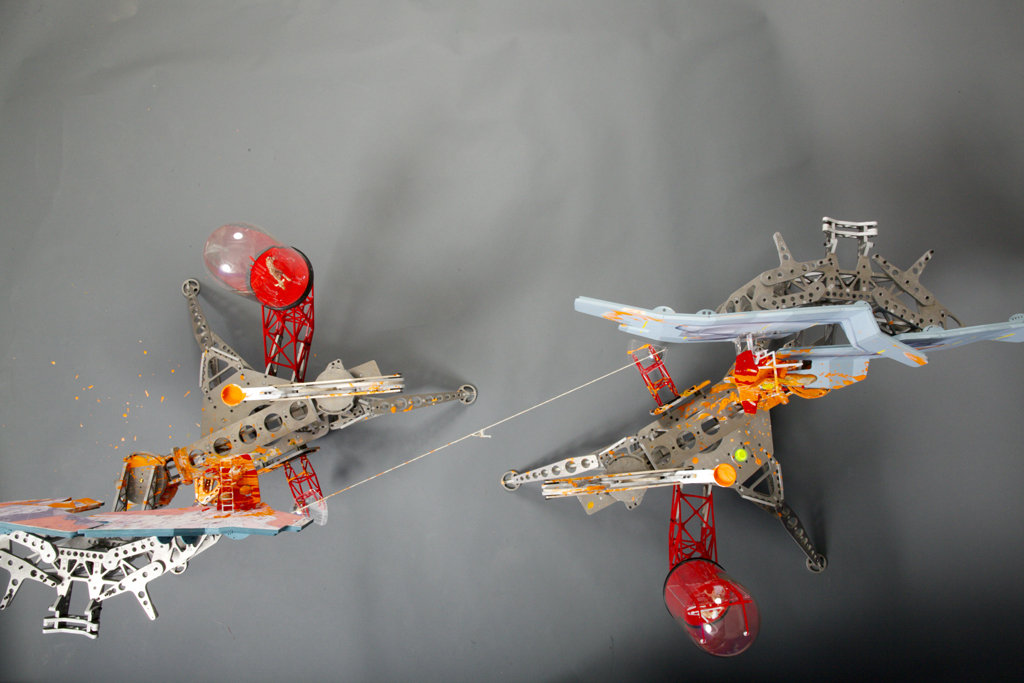
Perry Kulper and I have been working on Pamphlet Architecture No.34 which includes a bunch of new work. We are caught between wanting to show the work and needing to keep our powder dry until it comes out, so here is another view that gives almost nothing away… Perry’s drawing is on the left and mine on the right. The orange cups are the paint catapults and you can see a couple of domes with model scenes in them, related to the content of the drawings. Our drawings are each on two plates that can fold relative to each other – see the four bar mechanisms holding the drawings. The weighted string between the instruments registers their relative angles to each other on the protractors at each end of the string.

IMG_9652 IMG_9658 IMG_9664 IMG_9667 IMG_9671 IMG_9675 IMG_9676 IMG_9678

Bombardier

Bombardier

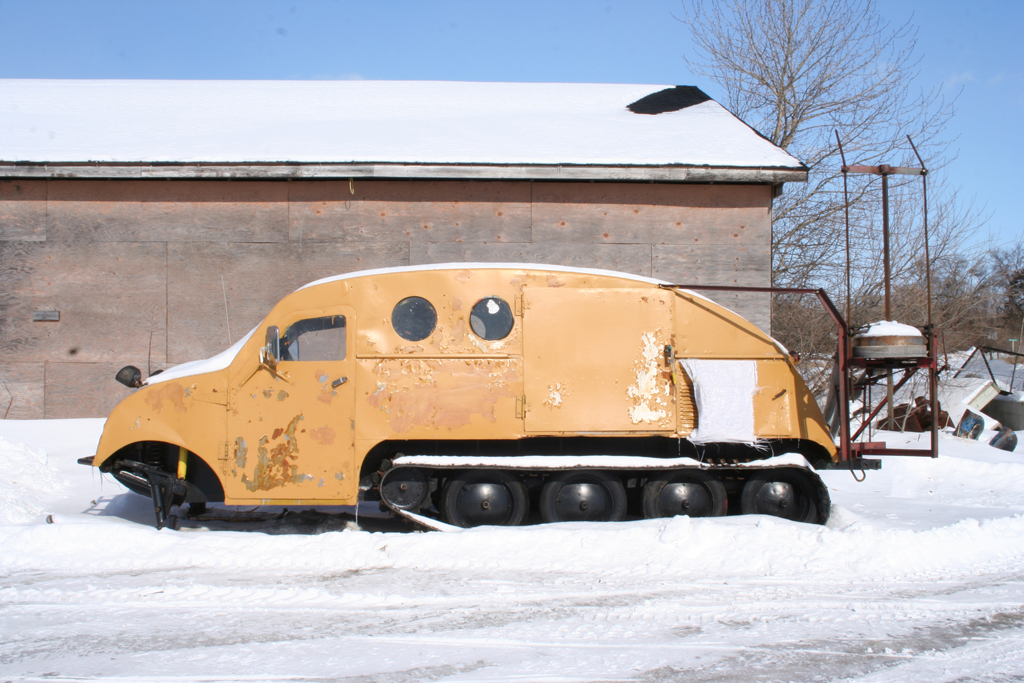
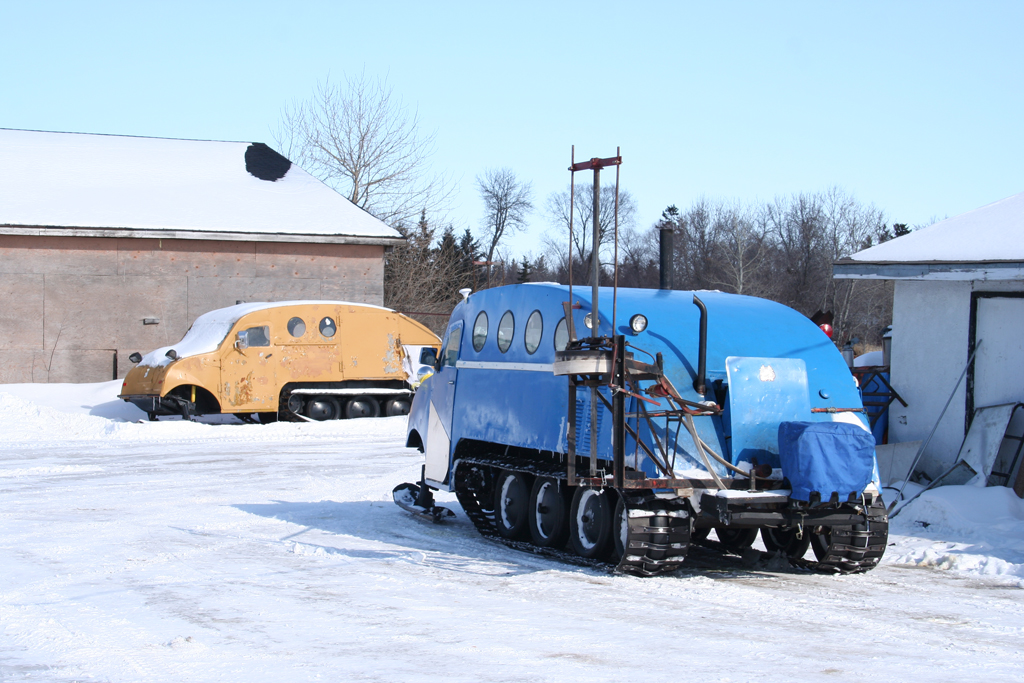
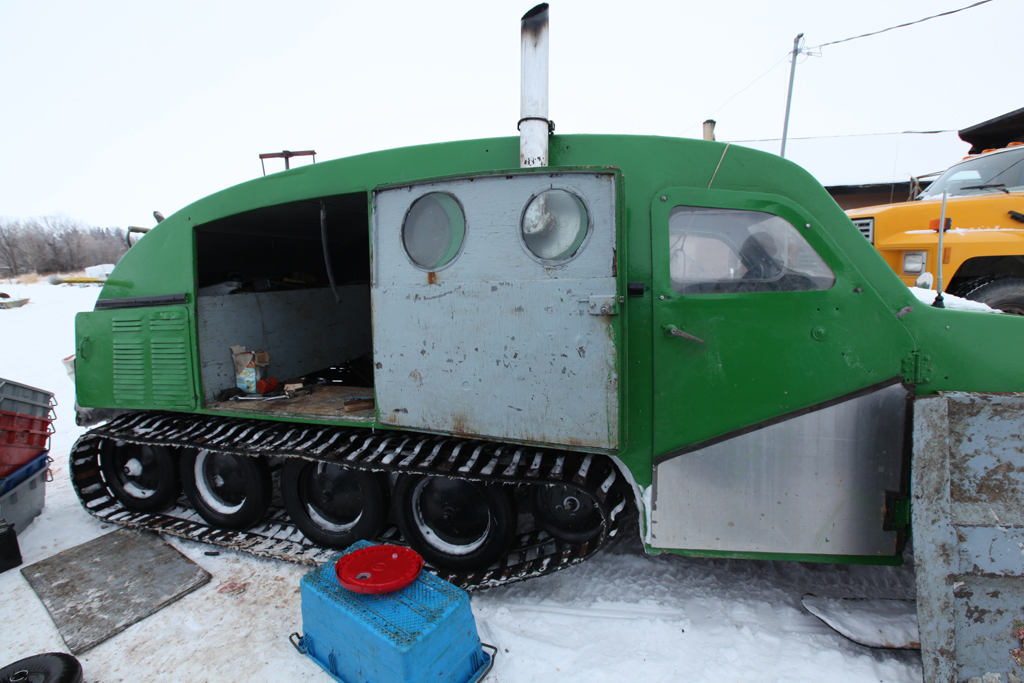
These half tracked vehicles are used over the winter by fishermen (these ones are owned by a bunch of really nice guys of Icelandic descent) and are run out of Gimli, Manitoba. They fish on Lake Manitoba when it freezes over. They drill a hole with an auger driven by a belt that takes power from the main engine drive shaft (although they have been rigging up independent generator engines more recently) and then run a little submarine under the ice with a cable, drill another hole and pull the submarine and  cable out and pull nets under the ice (which is three to four feet thick). The nets need to be extracted before the ice freezes again. The modern electric submarines look like they are blow moulded plastic and float just under the ice. They give out a homing signal so you can find them, but previously they used a plank with an improbably assembly of steel pieces that would walk under the ice when teased along with two ropes. The walking action would also make a tapping noise so they would know how far the plank had travelled. It is a tough existence. The green machine went through the ice leaving one of the guys in a coma for several months. They have since put a hatch in the roof to make escape easier.

The vehicles have wood burning stoves inside to keep them warm.

If you want to learn more and have a strange and wonderful read, have a look at Rob Kovitz’ Ice Fishing in Gimli:

http://www.treyf.com/Fishing/ifblurb.html

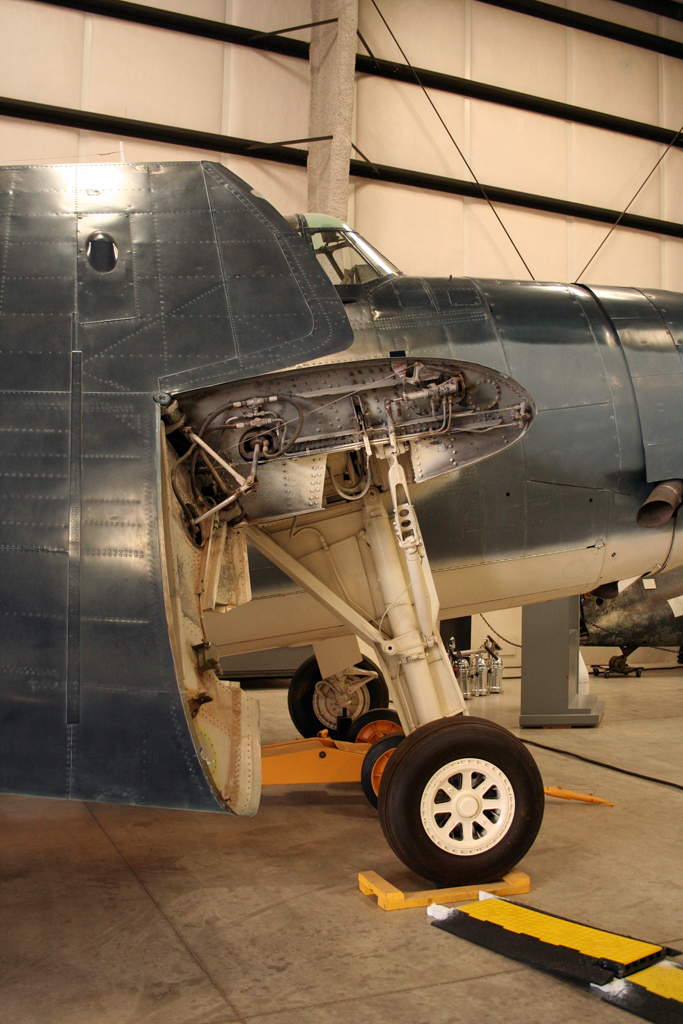
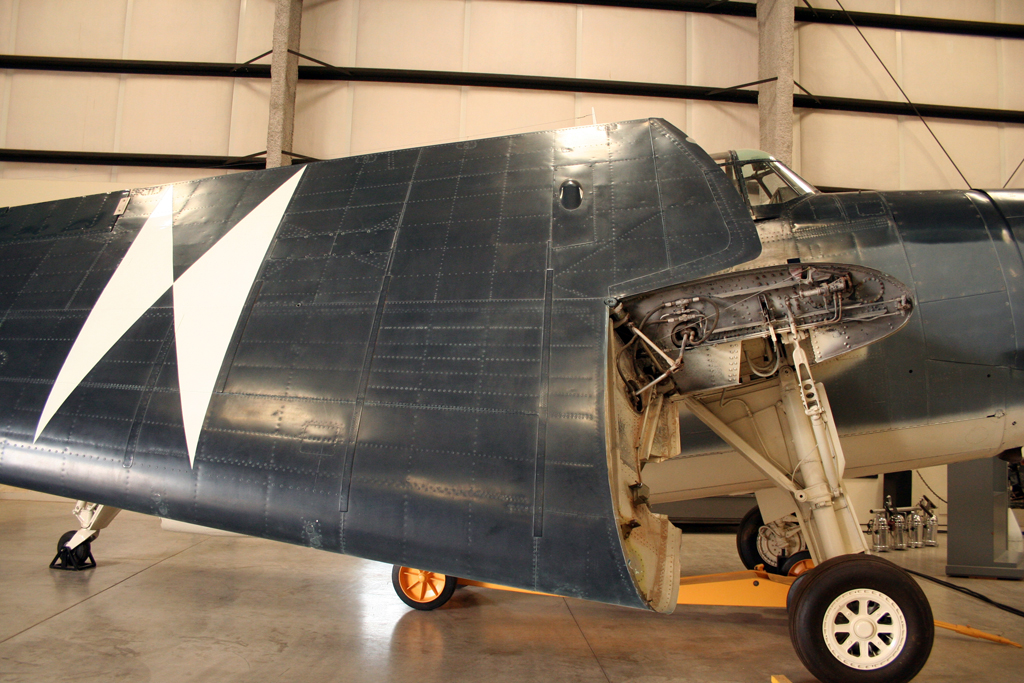
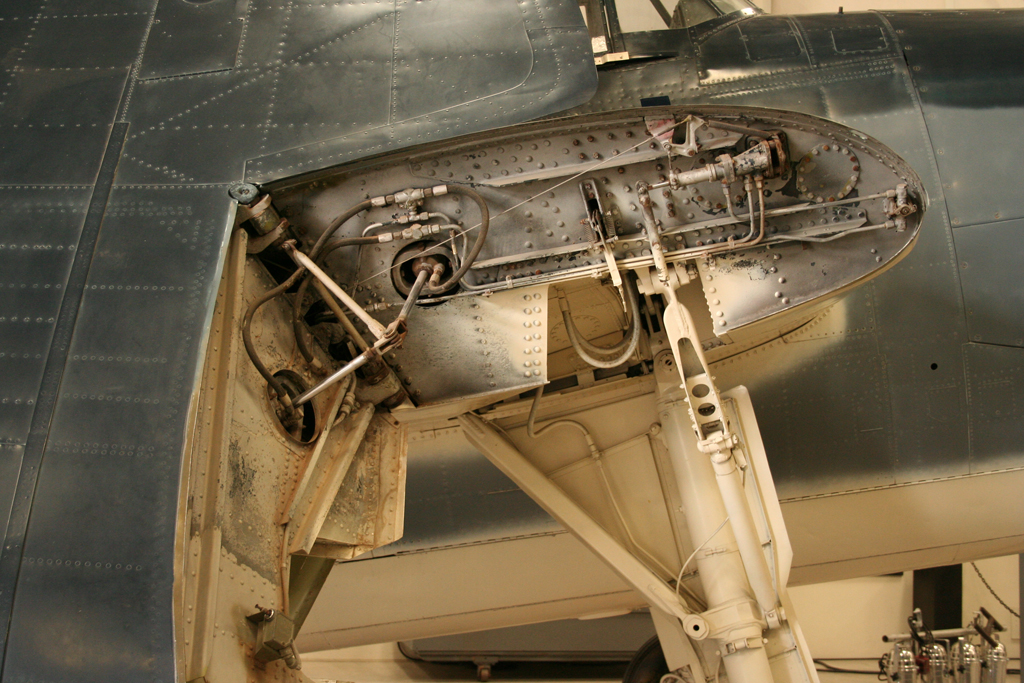
I am indebted to Dirk Blouw for providing the following link that includes this explanation of the folding wing shown in the previous post:

“First functional wing-folding mechanism, enabling aircraft to take up less space on ships.

The Wildcat’s innovative “Sto-Wing” mechanism developed on the XF4F-4 prototype by Leroy (Roy) Grumman (1895-1982), a founder of Grumman Aircraft Engineering Corporation, was crucial to the U. S. Navy’s success during World War II. The idea of a folding wing was not new: as early as 1920, F.M. Osborne patented a high-wing monoplane with folding wings, but never produced this design. A 1928 plane with folding wings designed by W. Leonard Bonney crashed on its first flight. When the US Navy desperately needed its aircraft to take up less space on ships, Grumman’s engineers designed a safe and reliable wing-folding mechanism. Using a draft eraser and paper clips, he found the proper angle at which the clips would need to pivot in order to open and refold. Although the original Sto-Wing operated with hydraulic cylinders, they added too much weight to the craft, so a model built from lighter materials was developed. The Sto-Wing folding mechanism, by reducing the aircraft’s overall size, increased carrying capacity on ships by 50 percent. The Wildcat was one of the few US planes to be produced and utilized throughout World War II. Their simple design had the ruggedness and reliability required for carrier service, and became the model for many subsequent naval aircraft.”
Thanks Dirk.

IMG_3059 IMG_3060 IMG_3061 IMG_3062 IMG_3063 IMG_3065 IMG_3066 IMG_3068 IMG_3071 IMG_3076

Hinge

Hinge

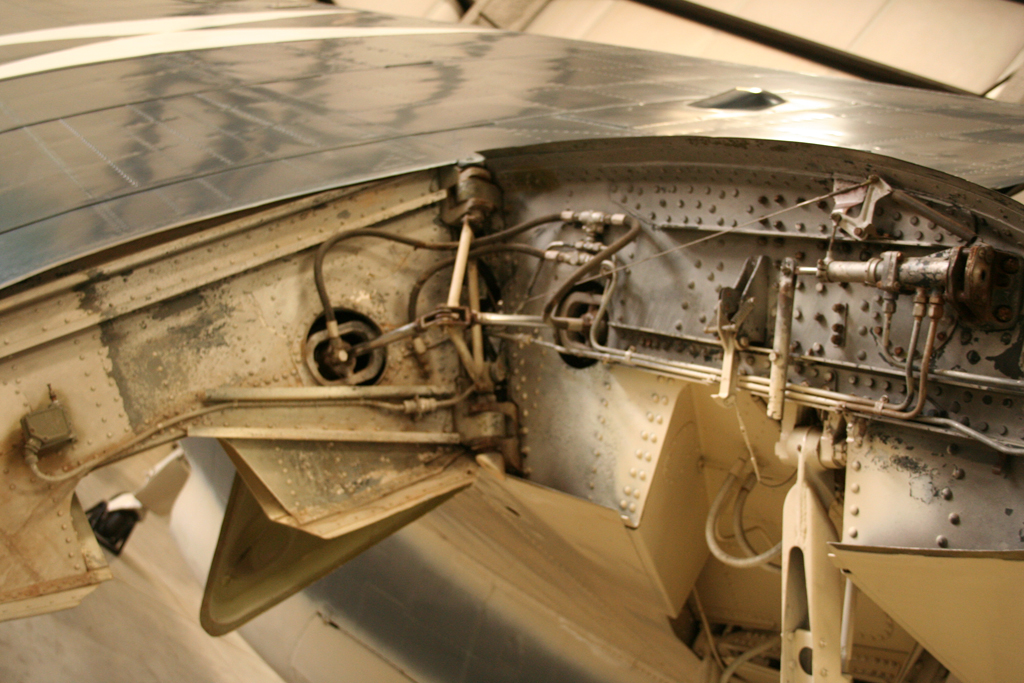
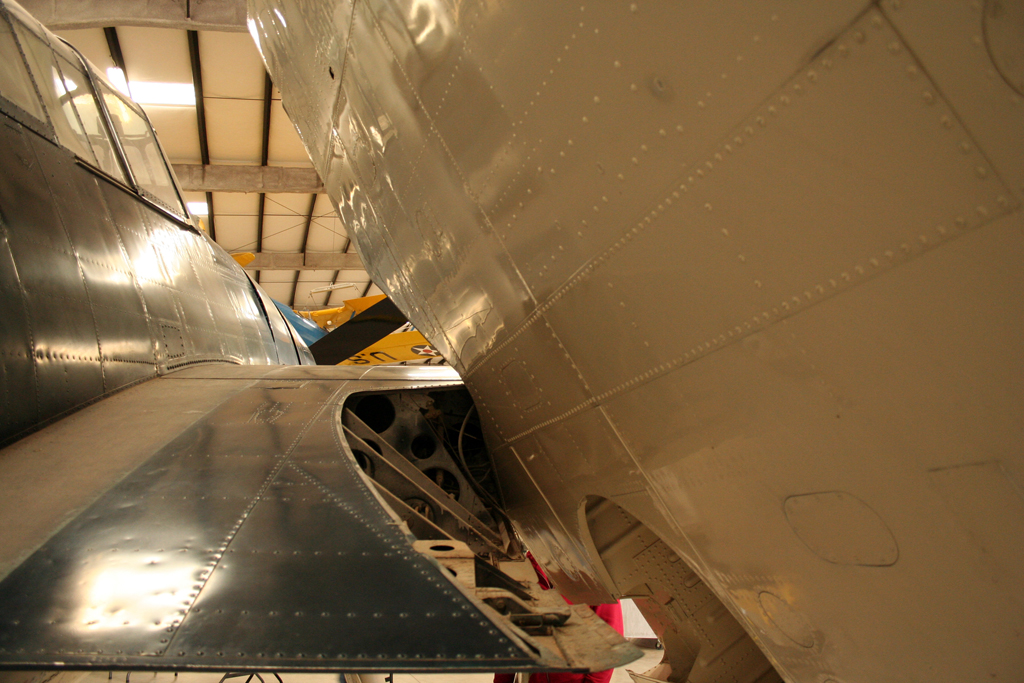
I posted pictures from a similar ‘plane from Duxford a while ago. This one is from PIMA and shows the hinge that allows the wings to be swept back for storage on an aircraft carrier. There is a single axis hinge and one flap that falls down to accommodate the movement and then come back together with a continuous aerodynamic surface. It must have taken some working out – I wonder if this was done through drawings or models?

Sound Mirrors

Sound Mirrors

Sound Mirrors

Sound Mirrors

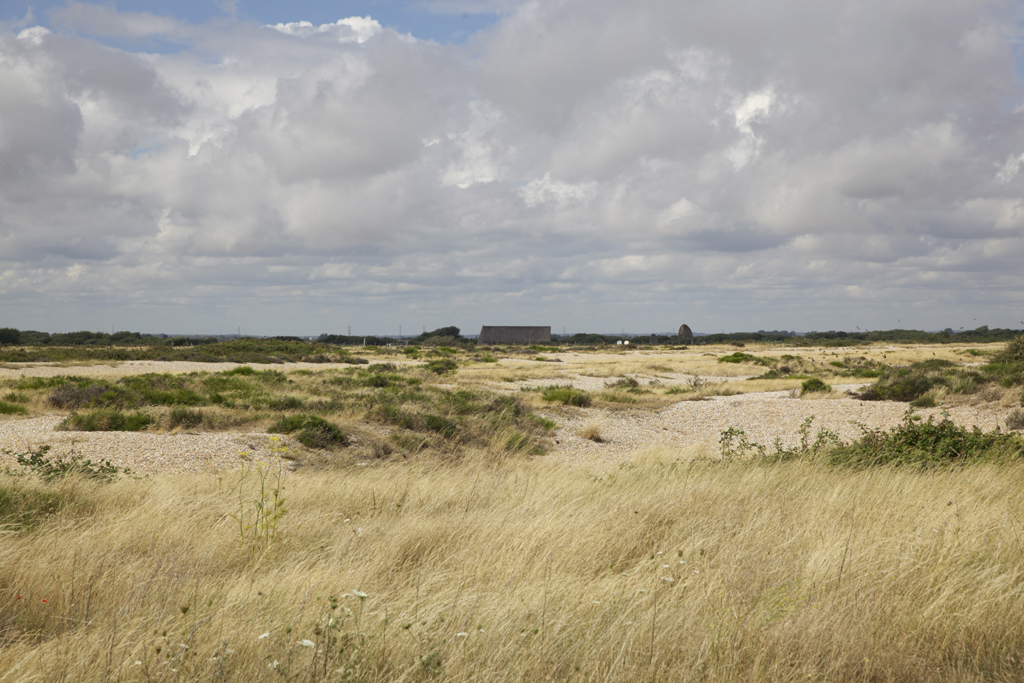
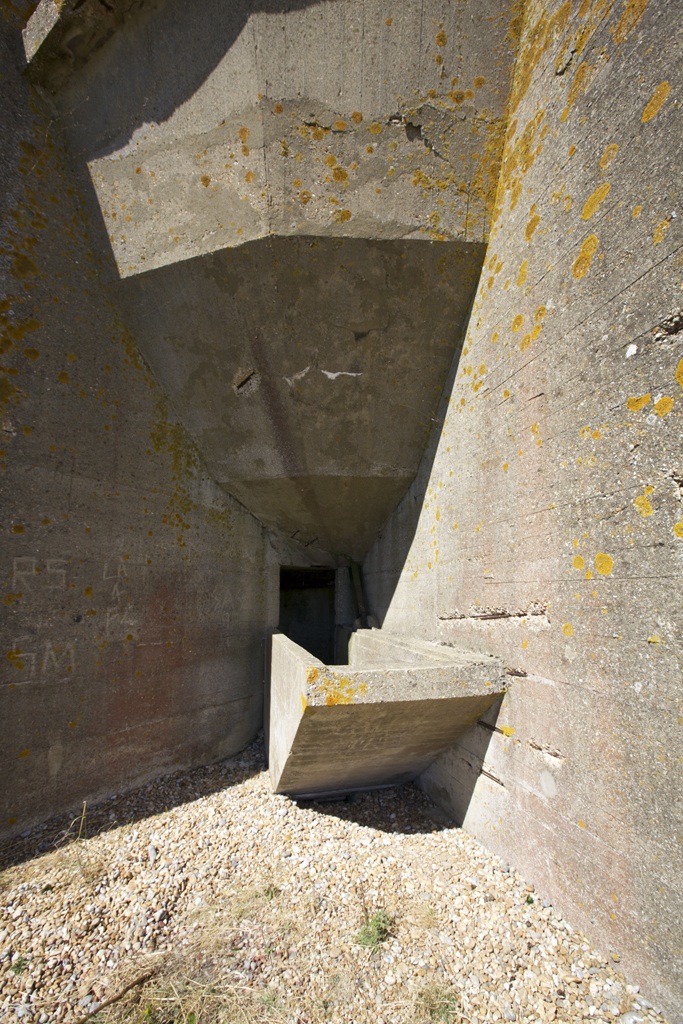
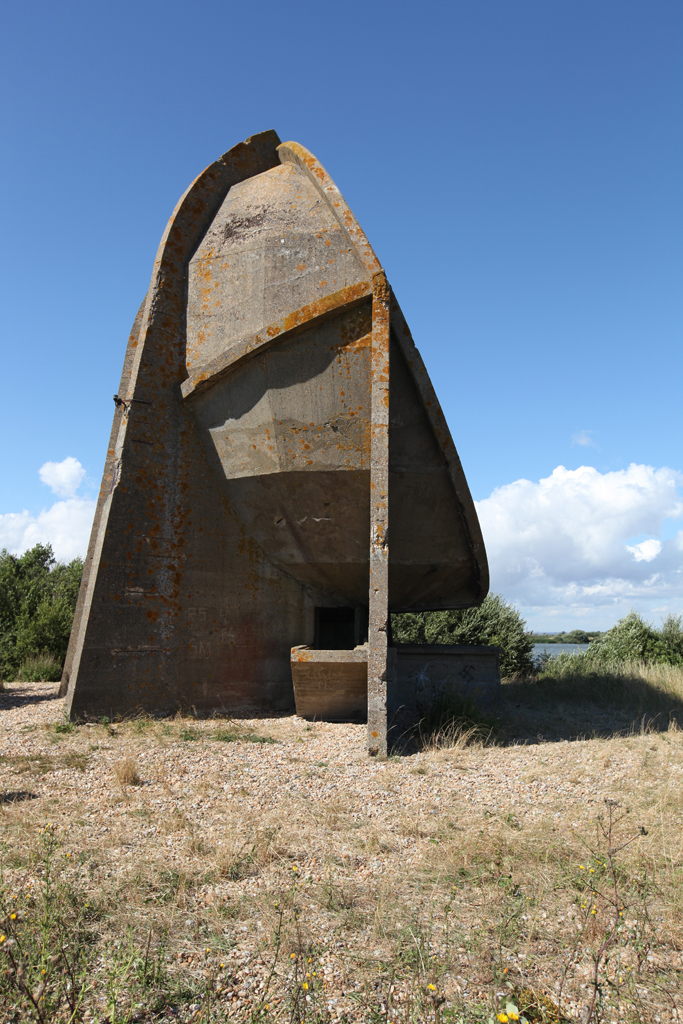
While at the sound mirrors last weekend there was a man with recording equipment who was working with them in their intended range of performance. I suspect he was fishing to close to the surface and too low on the dish to find anything other than aircraft, but would be fascinated to hear what he caught.