
IPS Infrastructure – Misting Tower, Connection Box and Workbench
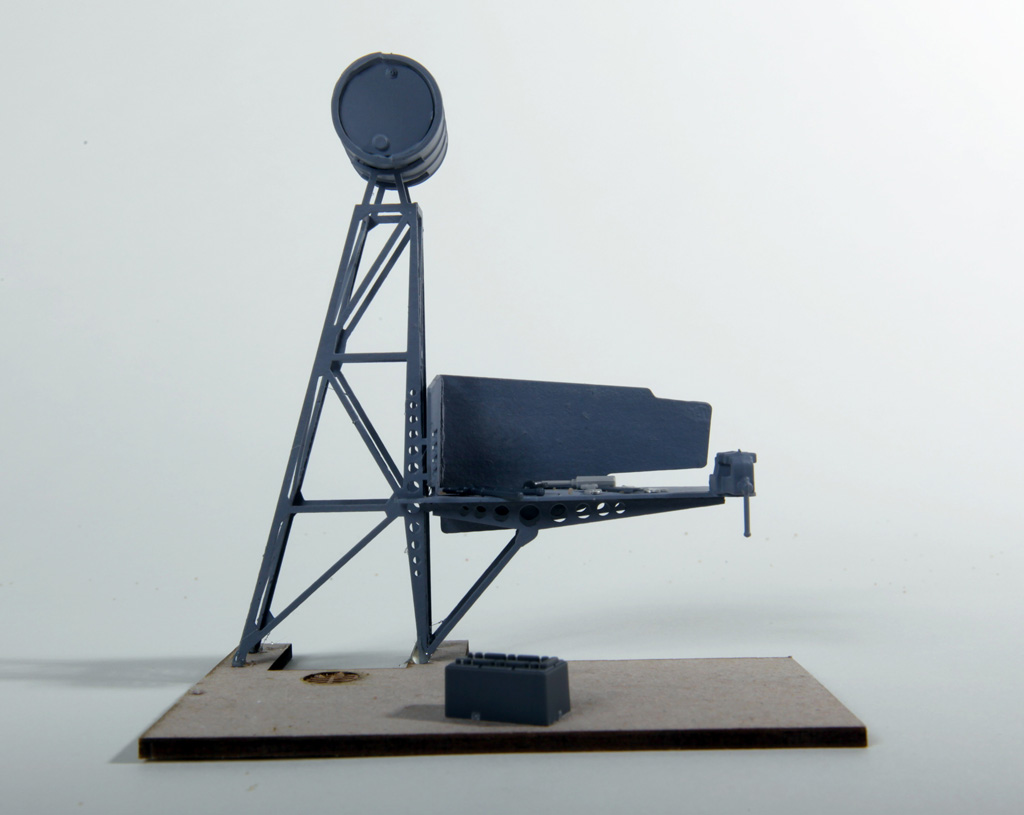
IPS Workbench
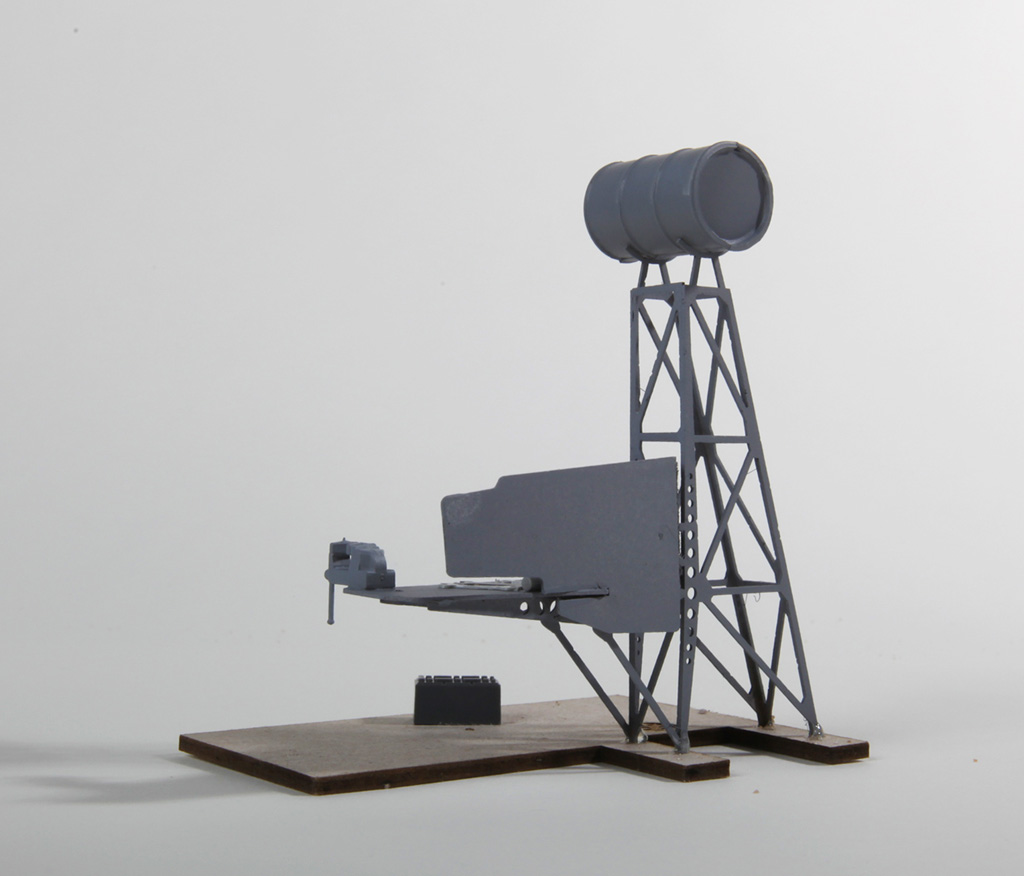
IPS workbench rear view

IPS workbench

IPS misting tower and workbench
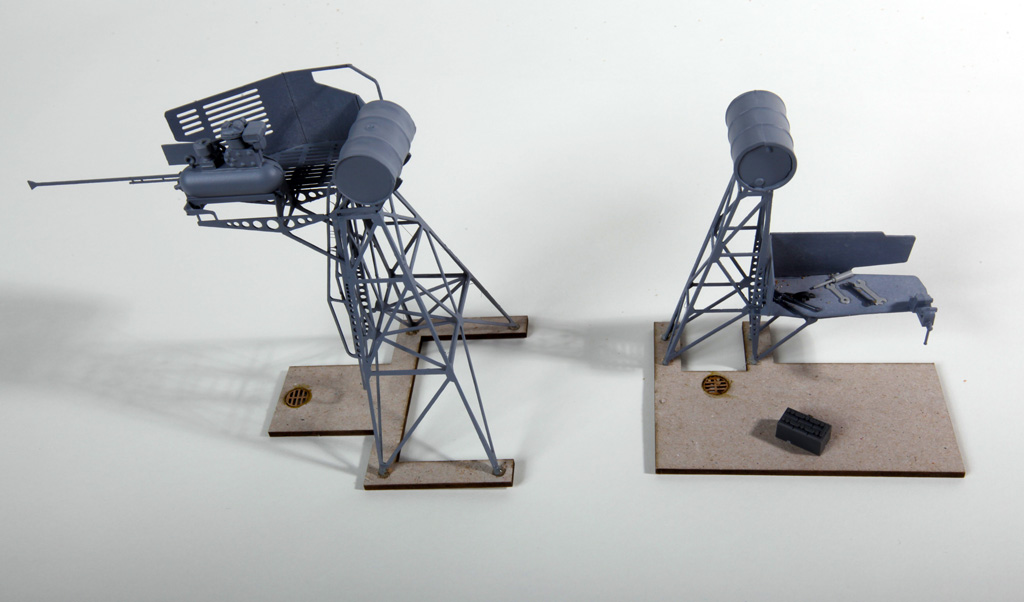
IPS misting tower and workbench
IPS Infrastructure – Misting Tower, Connection Box and Workbench
IPS Workbench
IPS workbench rear view
IPS workbench
IPS misting tower and workbench
IPS misting tower and workbench

IPS Misting Towers

IPS Misting Towers

IPS MIsting Tower
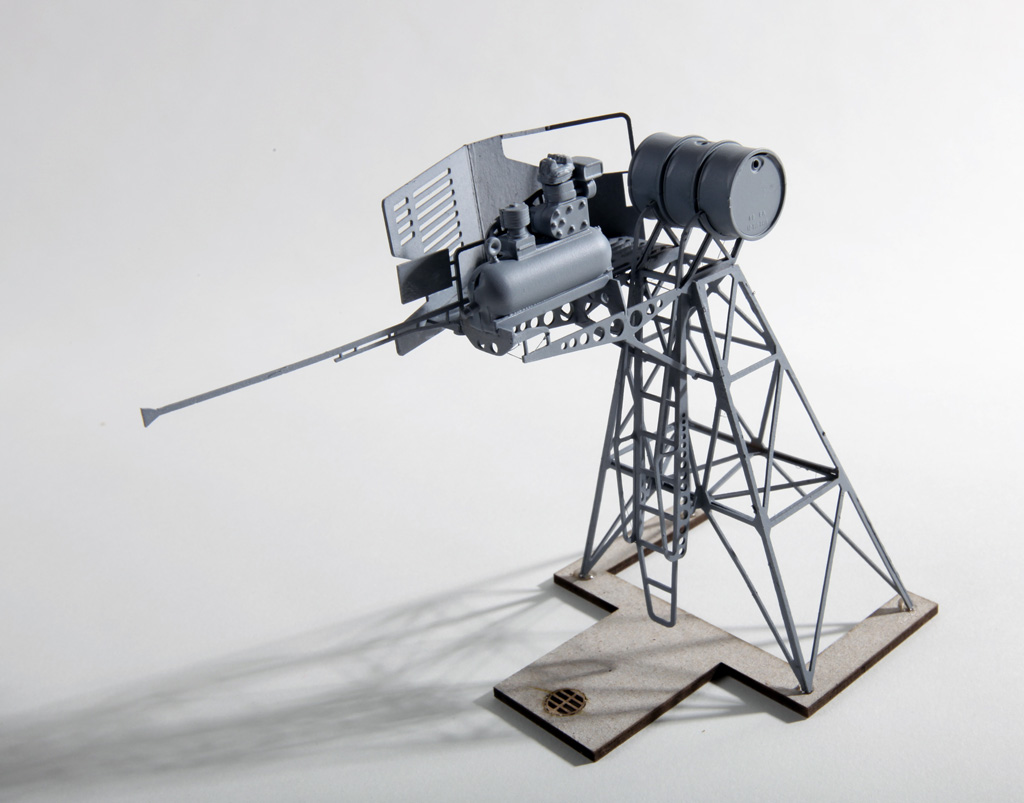
IPS Misting Towers

IPS Misting Towers

IPS Misting Towers

IPS Misting Towers
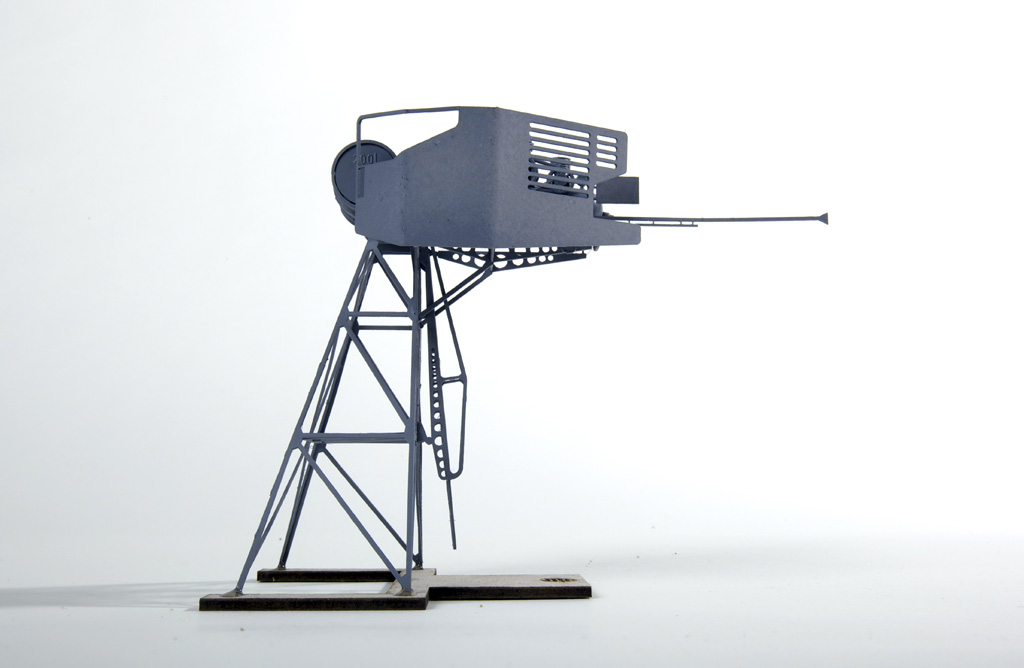
IPS Misting Towers
Misting towers for the Institute for Paradoxical Shadows
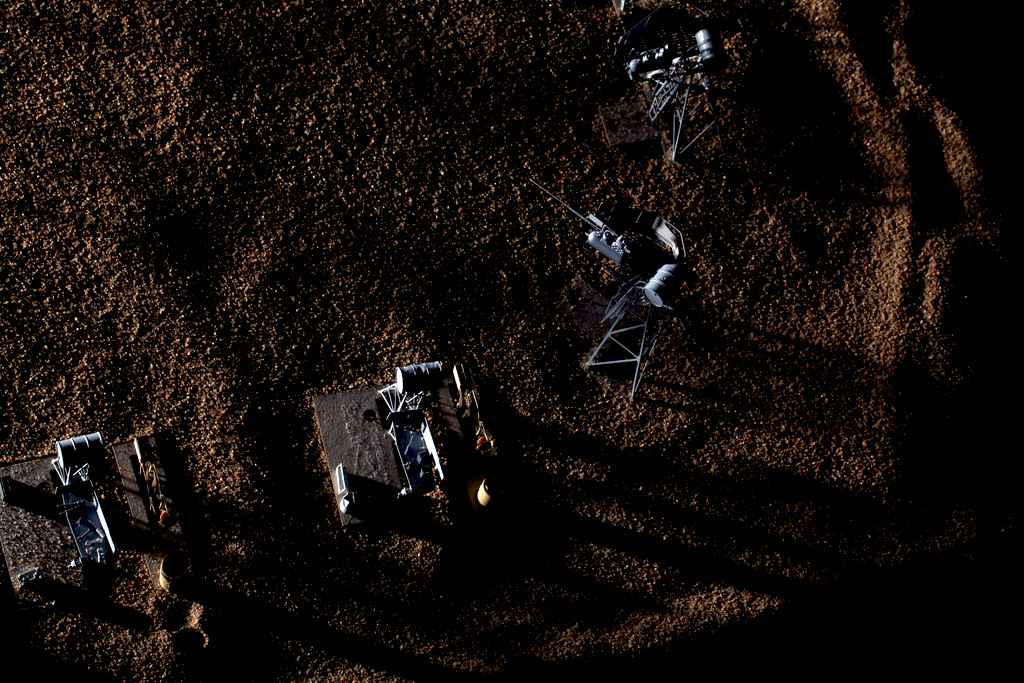
Institute for Paradoxical Shadows detail
An extra detail.

Institute for Paradoxical Shadows
An earlier view of the Institute for Paradoxical Shadows. It is developing the full size implications of instrument Six, shown below.

Instrument Six in real-time floating shadow mode

Instrument Six in research (photographic) mode

Stereoscopic view of floating shadow from Instrument Six
To view the floating shadow make sure the image is small enough to register the shadow in the left image over the one in the right hand image when you go cross-eyed (you will see three images – concentrate on the middle one). Try to relax to get a good three-dimensional view. You will see that the shadow sits a short way off the surface in which you would expect it to land.

Institute for Paradoxical Shadows

Institute for Paradoxical Shadows

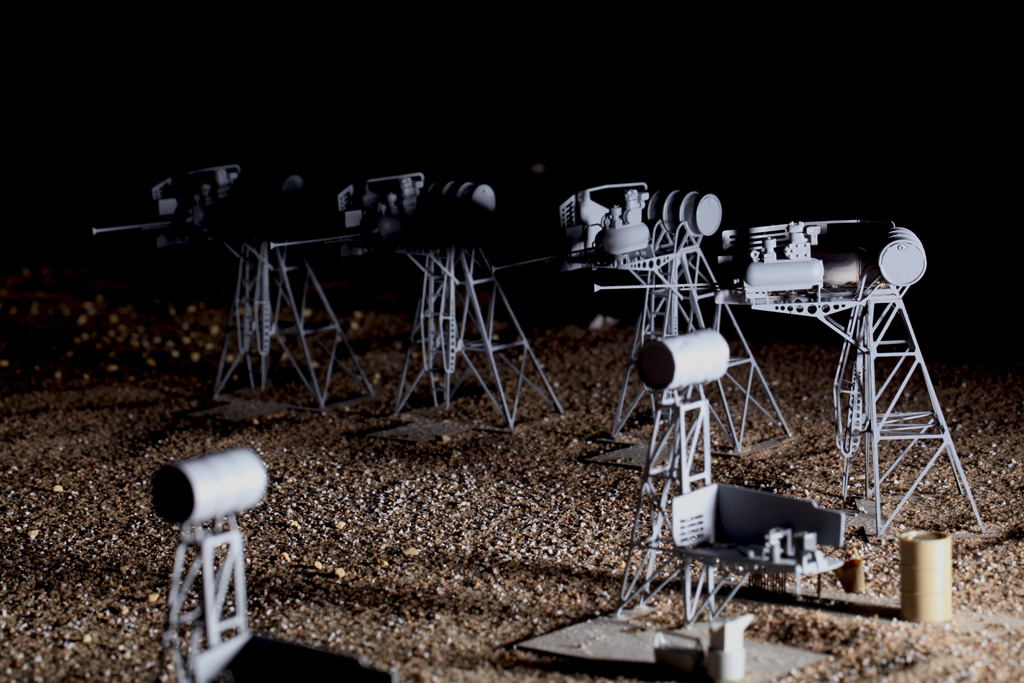
IPS infrastructure

IPS infrastructure
Misting towers and workbenches at the IPS research field.
(see aerial view of the field here)
A while ago I posted some pictures taken through a model of Samuel Van Hoogstraten’s peepshow:
https://natchard.com/2011/09/30/403/
I dug out some of the test shots, where some of the less successful ones reveal the seam between the material and pictorial space.

Van Hoogstraten's peepshow test
They are shot using a home made camera. It uses a pinhole to get the depth of field to make sense of both the space inside the box and my studio behind (the model is much smaller than the real peepshow). The camera has a lot of shift so that the image captures the whole available view with close to the ideal resolution of the anamorphic projection.

Van Hoogstraten's peepshow test

Van Hoogstraten's peepshow test
In the image above, where the lighting is not even enough, you can see the form of the box more clearly than in the previous shots. This image does not have the light shining up through the cut out doors.

Van Hoogstraten's peepshow test
Test (above) with too short an exposure so that the light shining though the cut out door is exposed but hardly anything else. It does, however, isolate that light to compare with the other shots. The light is only shining though one of the doors at this stage. When shining though both the shadows present an even greater paradox.

Van Hoogstraten's peepshow test
Compare the photographs above with the more balanced exposure above. All are shot using Polaroid 669 stock. The demise of Polaroid is a great loss. I have not tried the Impossible project’s material yet – all my Polaroid backs are for peel-apart film as I mostly used 669 and type 59.

Van Hoogstraten's peepshow test
A test for the reverse view (above). The reflections of the (painted) light from the window undermines the form of the ceiling’s timber beams.

Van Hoogstraten's peepshow test
A less balanced exposure again reveals the form of the box rather than the pictorial space of the room.
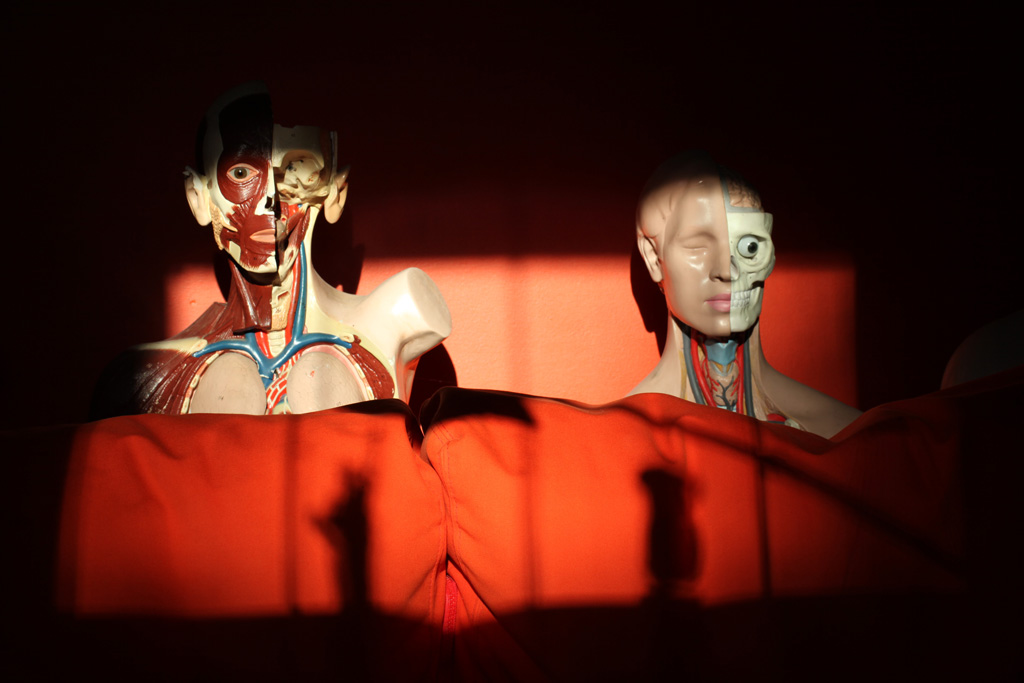
Shadows
The bright low sun in Winnipeg today reminded me of this picture I took in my living room in the summer, with shadows of a model Statue of Liberty and a casting of a torso in the Burrell Collection landing on the sofa in front of a couple of my anatomical torsos. The Statue of Liberty is particularly strange as it appears as if it is a shadow subject to perspectival reduction – almost a paradoxical shadow.
This coming week I will post stereoscopic images of some dioramas.

Peepshow Ladders (Nat Chard)
A study for some ladders to hold peep shows for an exhibition. Each peepshow would have openings that would allow a view through to the gallery space or to another peep show or a drawing on the wall. In this way the composite view of the gallery from the ladders would be different from at ground level. The view above has one peep show looking through to the anamorphic projection of another peep show. To discuss the idea, models of Van Hoogstraten’s peepshow were used, although new ones would be made for the exhibition.

Peepshow Ladders (Nat Chard)

Peepshow Ladders (Nat Chard)

 Nat Chard