Archive

Tag Archives: drawing instruments

Instrument Two in Action 1 (Nat Chard)

Instrument Two in Action 2 (Nat Chard)

Instrument Two in Action 3 (Nat Chard)

Instrument Two in Action 4 (Nat Chard)

Instrument Two in Action 5 (Nat Chard)

Instrument Two in Action 6 (Nat Chard)

A sequence of adjustments to the picture plane as well as to the model in the projector. You can see the shadows of the model on the picture plane. If this is your first view of the blog, the rest of the instrument can be seen in a post further down the page, as can the drawings that result from working with the instrument. The nature and geometry of the folds in the picture plane were developed to provide a range of subtle to developed adjustments within the area covered by the projection lens.

In a later post I will put up some films of the picture plane moving to show its range of folds.

Unfinished instrument (Nat Chard)

This was an attempt to repeat the performance of Instrument Two in real time, so the projection would be a durational one, drawing with moving points of light onto a photosensitive paper on a moving folding picture plane. It still sits in this state, as it became clear that the predictability of light projection was too predictable for my needs. It uses identical cast aluminium components as Instrument Two (and Three, yet to come on here) but the active parts are completely different. The large roller bearing is to carry the picture plane, also located by the small bearing on top of the tower.

Instrument two drawing (Nat Chard)

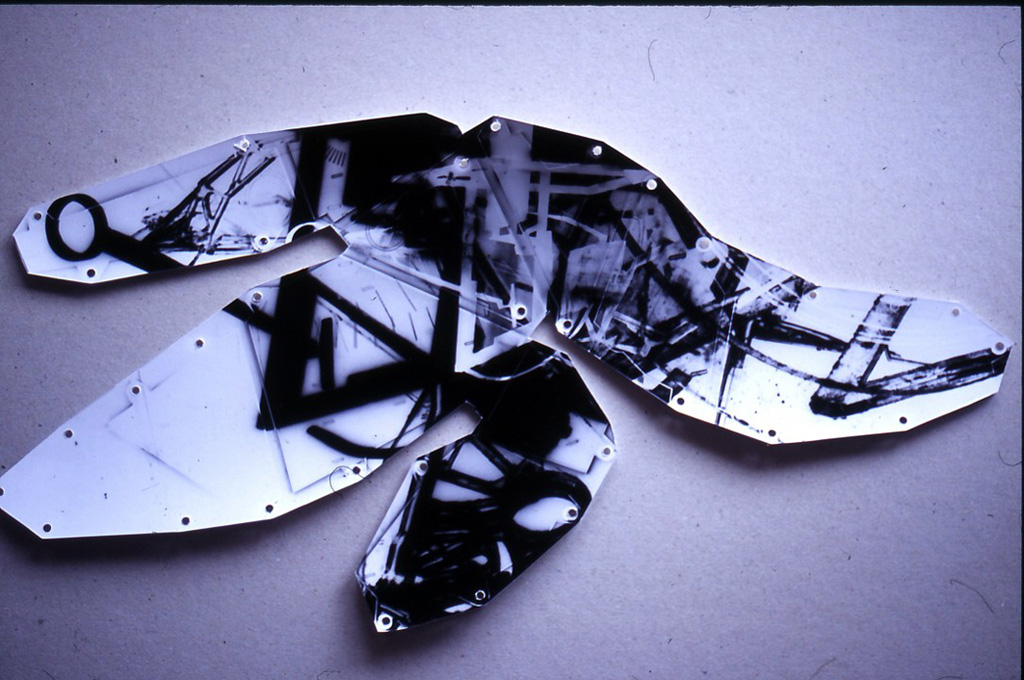
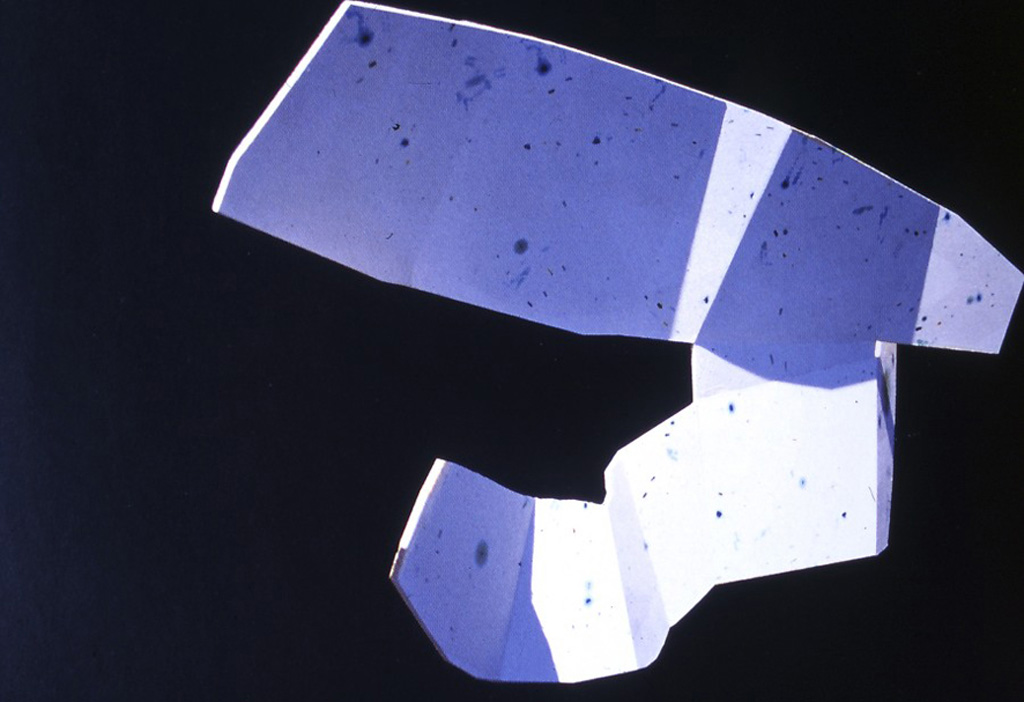
Here is one of the drawings from Instrument Two. It is a photograph on photographic paper that was held on the picture plane with acrylic plates, so the holes around the edges are from blots that hold the plates (and the photographic paper) to the picture plane. The dark parts are the projection of the white model in the box (projector) and the white parts are the negative of the shadow. below is the positive from this negative (in conventional photographic terms).

Instrument two drawing positive (Nat Chard)

The only reason for showing thei image is that it makes it easier to see where the various parts came from, so the projection is now white and the paradoxical shadow is black. The shadow seems to register with the base of the projected model, but is mysteriously smaller, geometrically perhaps appearing to be the object for which the projection is the shadow. You can also see photograms of the plate edges (that hold the paper flat on the picture plane) and some of the registrations cut into the surface of the plates.

Below is a sequence of drawings. The whole sequence can be seen in a picture in the previous post.

Instrument two drawing (Nat Chard) 2Instrument two drawing (Nat Chard) 4

Instrument two drawing (Nat Chard) 9

Instrument two drawing (Nat Chard) 10

The difference between the images is established mostly by folds in the picture plane. As the picture plane adjusts to question the projection, the model int he projector also moves to try and sustain its opinion on the picture plane.

Drawing Instrument 2 (Nat Chard)

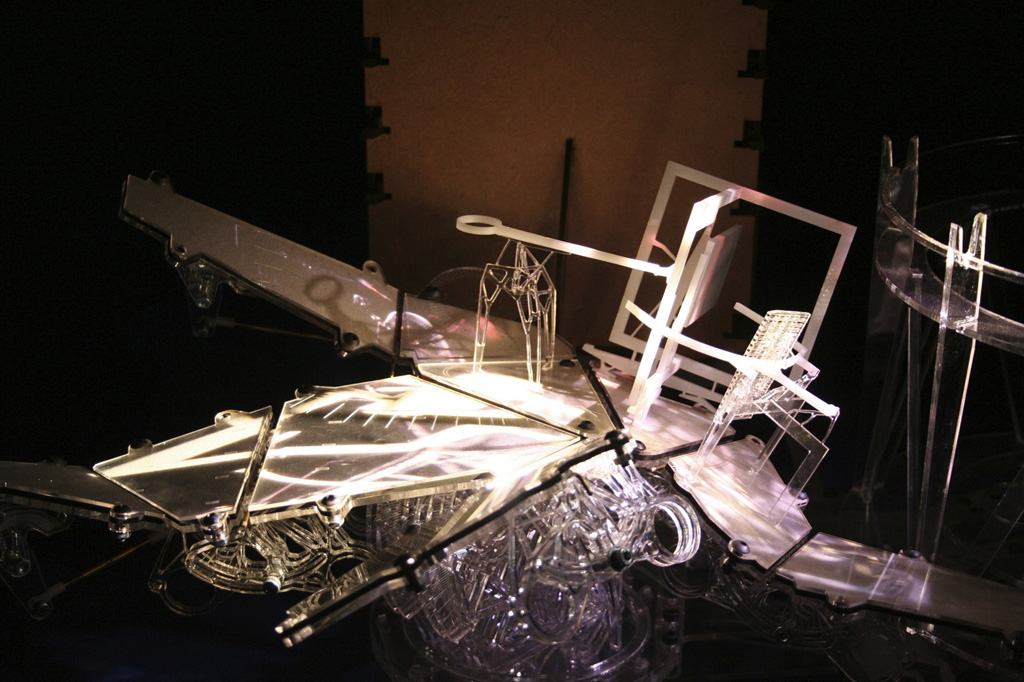
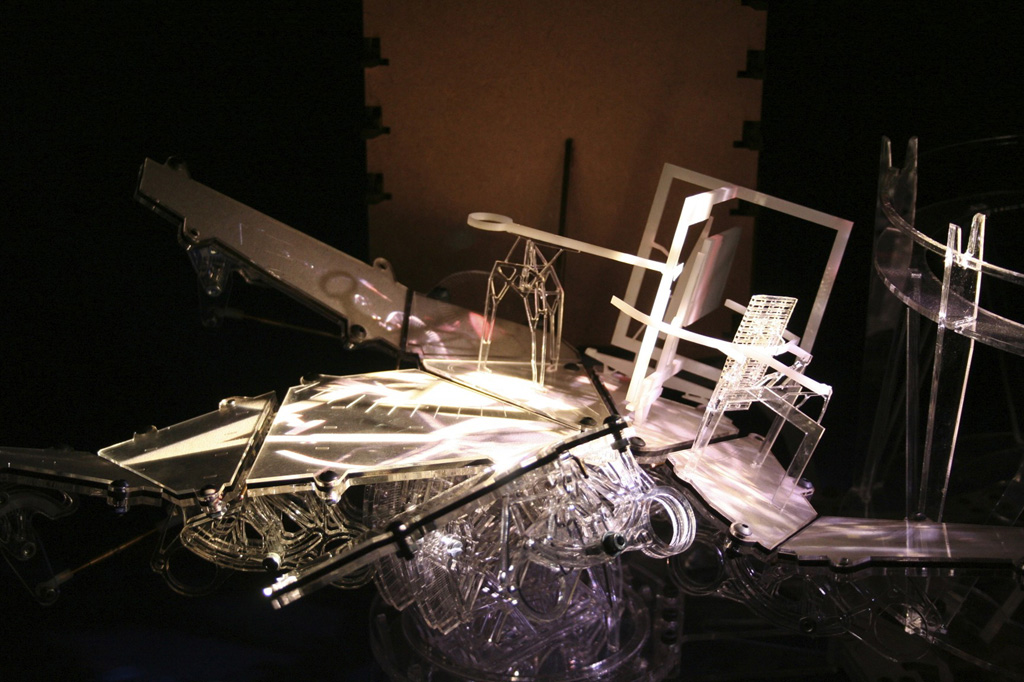
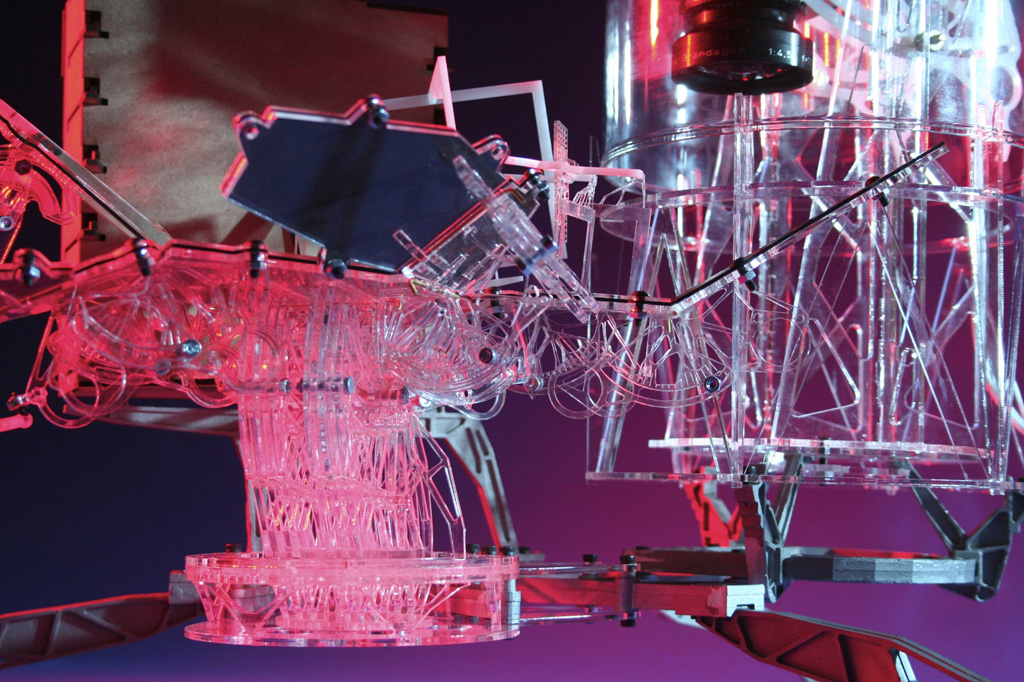
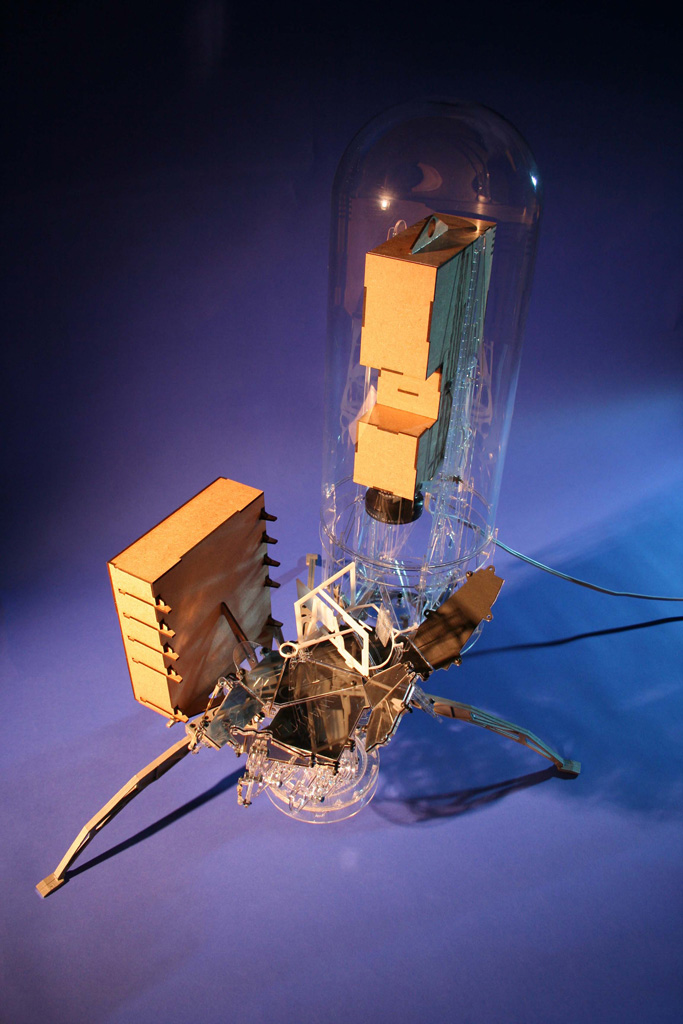
There is another body project to show, as well as some studies, but I will mi things up a bit with the second drawing instrument. It has a much more developed folding picture plane as a critical receiver of projections. Imagine it as the inversion of a camera. The world is in the box and the camera,or drawing surface is outside – so it must be operated in darkness.
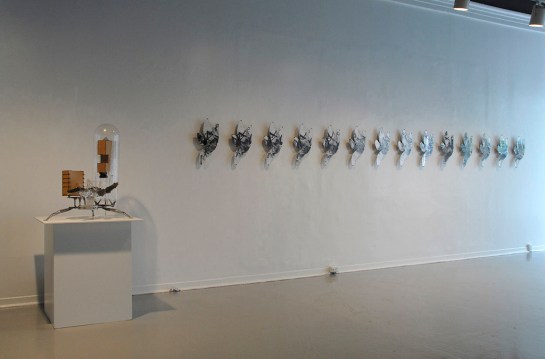
Drawing Instrument 2 (Nat Chard) photo Robert Bean

The box is a projector. It contains a model and a light bulb (that illuminates the model). The light from the model is reflected off a mirror and then goes through a lens from a 5″ by 4″ camera to be projected onto the folding picture plane that has photographic paper held under acrylic plates. Sitting on some of these plates is a larger version of the model in the projector. If the projector is trying to persuade something, the picture plane is critical of that opinion and folds to distort and adjust the projection – a critical reception, a bit like the body projects with the city. I will post a sequence of folds and projections to make sense of this another day. Normally the perspectival image tries to pretend that the picture plane does not exist, but the model on this picture plane casts a paradoxical shadow – it lands on the picture plane rather than on what is pictured. At the same time it resonates with the projected model, so it seems to make some sort of sense. But it cannot make that sense and a perspectival sense at the same time (or it does not have a complete sense, other than as the consequence of this instrument), so it is up to the observer (of the drawing/photograph) to construct their own sense of it.

Drawing Instrument 2 (Nat Chard)

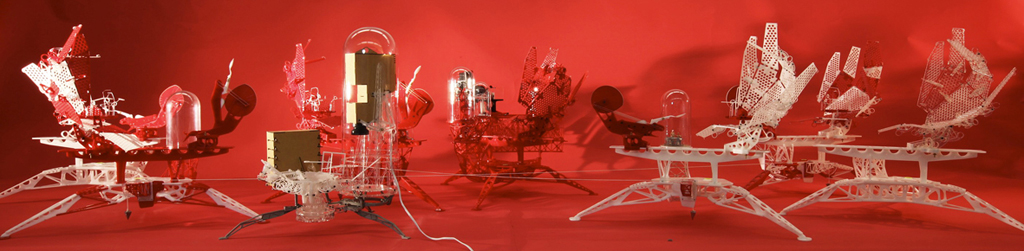
The instrument also has a chest of drawers that hold tools for the instrument, spare parts, and spare parts for you (a pair of Victorian glass eyes). The frame is cast Aluminium, working from the same patterns and moulds as drawing instrument One (which was cast in plastic). The patterns were machined on my little CNC machine – I will post pictures of them on a later post. The dome over the projector is an 18th c French glass dome, one of three that size found in Copenhagen. The other two are  being incorporated in instruments I am working on now.

Drawing Instrument 2 (Nat Chard)
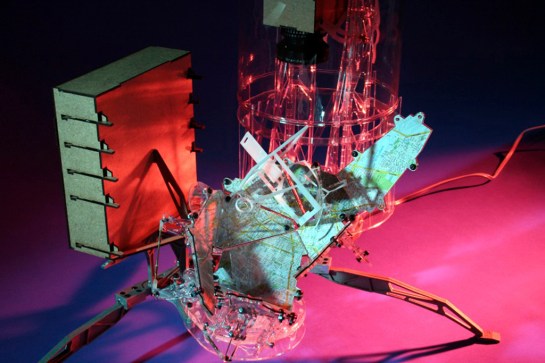
Drawing Instrument 2 (Nat Chard)

Above: Instrument Two plays with a folded map of Winnipeg.
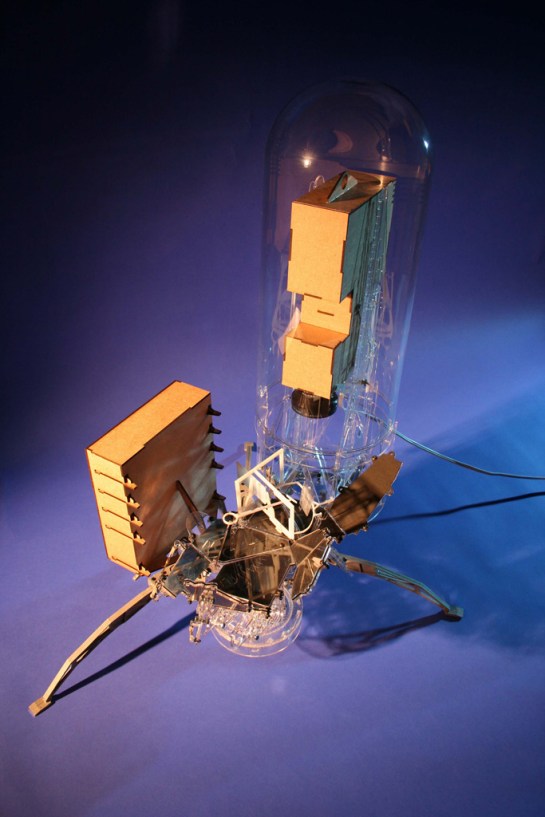
Drawing Instrument 2 (Nat Chard)

I will also show some of the drawings from the instrument in a subsequent post.

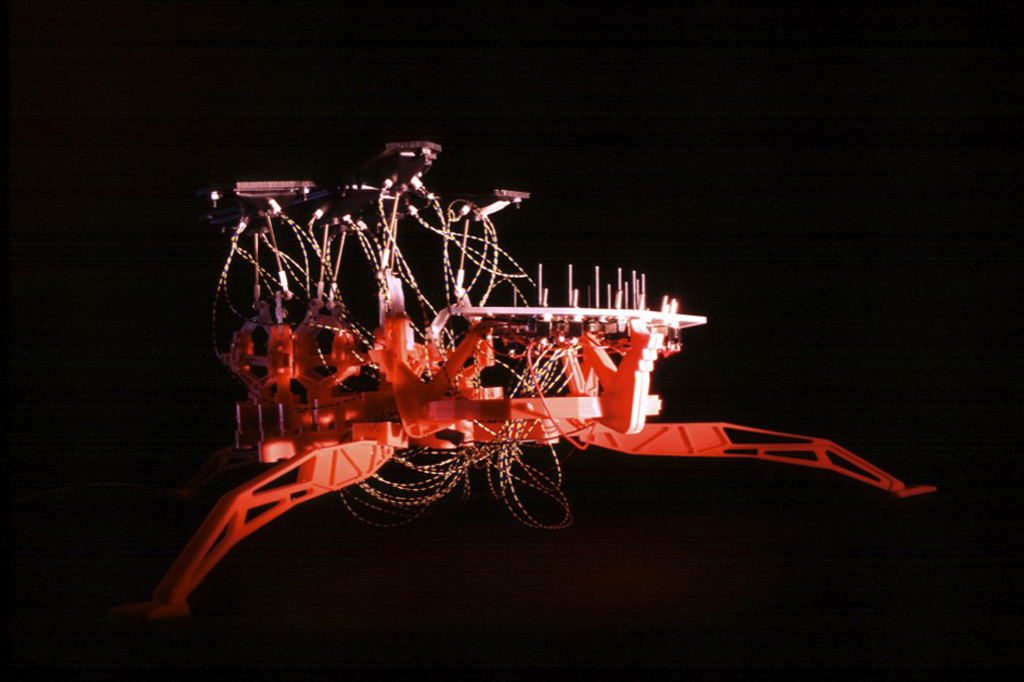
Drawing Instrument One (Nat Chard)

The first drawing instrument was made to test some speculations on the potential of a folding picture plane as a critical agent in making drawings. Since Leonardo artists have manipulated the picture plane to make images appear to be more true, so it seemed a good place to start when thinking about how to bring an image into question.

This instrument discusses how another project (see later – body projects one two and three) might adapt our perception and consciousness of the city. The body projects make adaptations to those organs in our bodies that are connected to the programmatic sites in architecture (and the city) that claim to have the tightest relationship with our bodies – such as heating and cooling, hygiene, digestion and disposal, air handling and so on.

The maps below (of Copenhagen) are folded. When viewed from certain positions the foreshortening caused by the viewpoint and occlusions established by the folds can assemble previously remote figures (the grey blobs or rectangular figures in this case) into a coherent whole, as if re-assembling the city.

Normal view

Foreshortened view

In the drawing instrument the map is replaced by a folding surface with a fixed figure of slots that are backlit with coloured lights, setting out more of the character of the city rather than its geometric figures.

Drawing Instrument One (Nat Chard)

Drawing instrument One (Nat Chard)

The drawings are made by taking a series of photographs of the folding surface that make the most of the folds to discuss a certain occupation of the city by someone who has the body project architecture inside them. One of the drawings is below – it has a folded drawing plane to allow the observer to take possession of the content in the same way.

Instrument One drawing (Nat Chard)

Drawing Instruments (Nat Chard)

Welcome to my blog. I have been nourished by a number of blogs, and thought I should make a contribution. Also, when people ask where to find my work, it is dispersed in a diverse range of publications, so this in an opportunity to find it all in one location. More selfishly, it provides the possibility of a wider conversation with others on the margins of architecture despite my living in a remote and disconnected place.

I will start off by posting my own work, a mixture of things in progress and back catalogue, as well as things I come across. At some stage I will post work by friends and colleagues whose work I admire. I will try to post two or three times a week, so please drop by every now and then.