Drawing Instrument One

Drawing Instrument One (Nat Chard)
The first drawing instrument was made to test some speculations on the potential of a folding picture plane as a critical agent in making drawings. Since Leonardo artists have manipulated the picture plane to make images appear to be more true, so it seemed a good place to start when thinking about how to bring an image into question.
This instrument discusses how another project (see later – body projects one two and three) might adapt our perception and consciousness of the city. The body projects make adaptations to those organs in our bodies that are connected to the programmatic sites in architecture (and the city) that claim to have the tightest relationship with our bodies – such as heating and cooling, hygiene, digestion and disposal, air handling and so on.
The maps below (of Copenhagen) are folded. When viewed from certain positions the foreshortening caused by the viewpoint and occlusions established by the folds can assemble previously remote figures (the grey blobs or rectangular figures in this case) into a coherent whole, as if re-assembling the city.

Normal view

Foreshortened view
In the drawing instrument the map is replaced by a folding surface with a fixed figure of slots that are backlit with coloured lights, setting out more of the character of the city rather than its geometric figures.
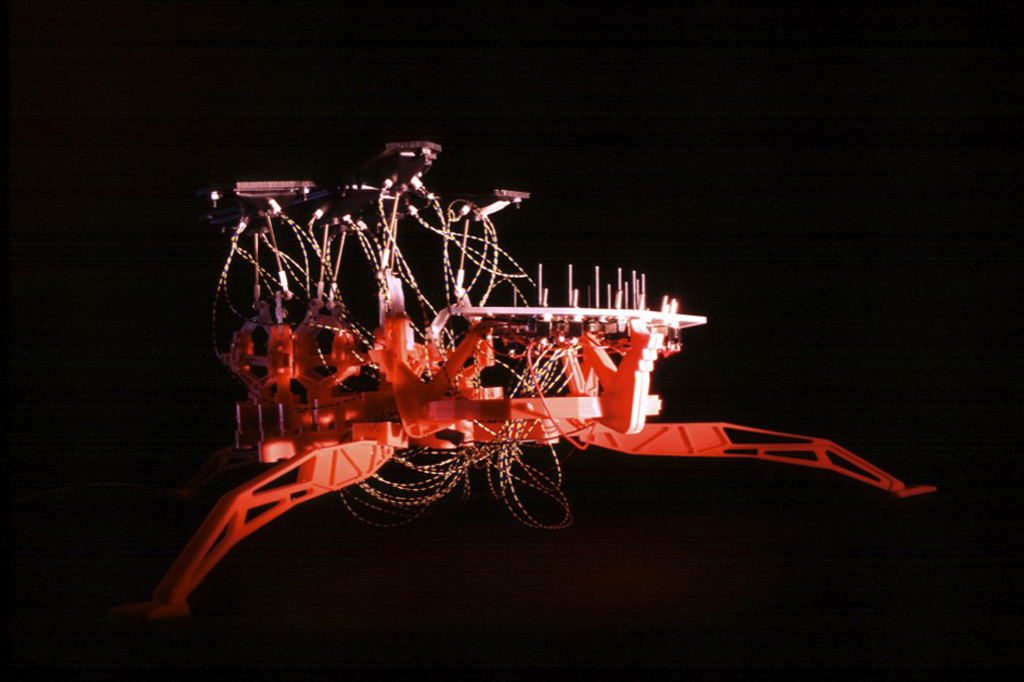
Drawing Instrument One (Nat Chard)

Drawing instrument One (Nat Chard)
The drawings are made by taking a series of photographs of the folding surface that make the most of the folds to discuss a certain occupation of the city by someone who has the body project architecture inside them. One of the drawings is below – it has a folded drawing plane to allow the observer to take possession of the content in the same way.
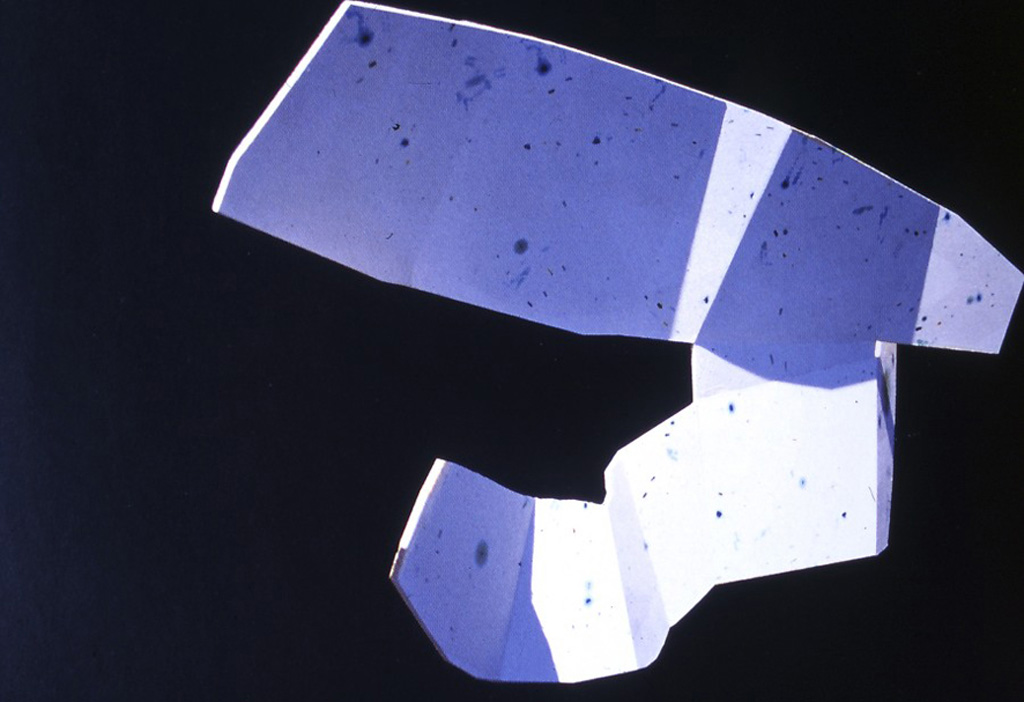
Instrument One drawing (Nat Chard)
 Nat Chard